


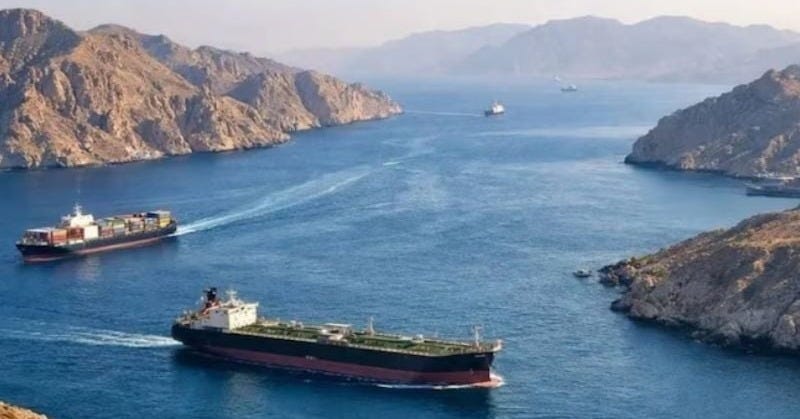
Ship traffic through the Strait of Hormuz has fallen to its lowest level in five weeks, creating a new test for U.S. claims that the critical waterway remains open despite escalating conflict with Iran.
Reuters reported that ship tracking data from Kpler showed only six ships transited the strait on Sunday. The slowdown came as renewed U.S. and Iranian strikes raised safety concerns and pushed some operators toward more cautious routing. Reuters also reported that some tankers have switched off AIS tracking, which can make visible traffic counts incomplete.
CENTCOM has said the strait is open to vessels seeking lawful passage and that traffic is flowing. Iran has made competing claims of control or closure, turning the waterway into both a military and economic pressure point.
The practical consequence is larger than one day of traffic data. A waterway can be officially open while commercial operators still pull back because crews, insurers, cargo owners, and charterers judge the risk too high.
Subscribe free for daily political analysis they won’t broadcast. Join 110K+ readers →
That matters because the Strait of Hormuz is one of the world’s most important energy chokepoints. The EIA said total oil flows through the strait averaged 20.9 million barrels per day in the first half of 2025, equal to about 20 percent of global petroleum liquids consumption.
Social reaction has followed the same divide. U.S. official accounts amplified CENTCOM’s open waterway message, while energy journalists and oil market communities focused on the sharp drop in visible crossings and the possibility that shipping confidence is weakening.
The next signal to watch is whether traffic rebounds or stays depressed. A sustained slowdown could keep upward pressure on oil prices, shipping costs, and risk premiums even without a formal closure.
Subscribe free for daily political analysis they won’t broadcast. Join 110K+ readers →