


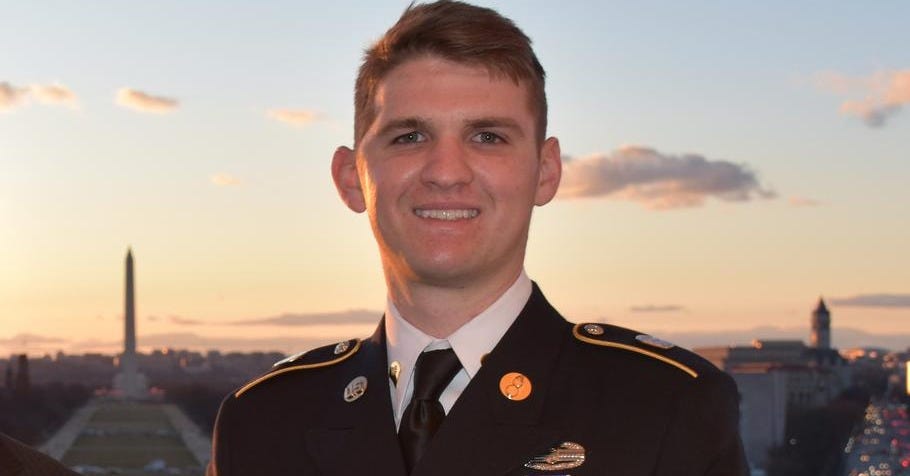
The U.S. Supreme Court has cleared the way for a wounded soldier to sue a military contractor, opening a new legal front over accountability in war zones.
In a 6–3 ruling, the court said Army Specialist Winston Hencely can pursue a lawsuit against Fluor Corp. over injuries he suffered during a 2016 suicide bombing at Bagram Airfield in Afghanistan, a decision that could reshape contractor liability.
The case centers on whether private contractors working alongside the military are shielded from lawsuits under the Federal Tort Claims Act, which typically limits legal claims tied to wartime activity.
According to AP News, the attacker was an Afghan employee of Fluor who detonated an explosive vest, killing multiple people and leaving Hencely with severe brain injuries and partial paralysis. A U.S. Army investigation found the contractor failed to properly supervise the employee.
Subscribe free for daily political analysis they won’t broadcast. Join 110K+ readers →
The complication is that lower courts had already dismissed the case, ruling that federal law preempted any state-level claims tied to combat operations.
“The conduct complained of was neither ordered nor authorized by the Federal Government,” Justice Clarence Thomas wrote in the majority opinion.
That distinction became the turning point, with the court ruling that contractors may still face lawsuits if they fail to meet contractual or safety obligations.
The dissent, led by Justice Samuel Alito, warned the decision could allow courts to second-guess military operations and weaken coordination between the military and private contractors.
The ruling matters because contractors now play a major role in overseas operations, and the decision could expose them to more lawsuits from service members injured in similar incidents.
The case now returns to lower courts, where Hencely’s lawsuit will move forward.
The broader legal impact is just beginning to unfold.
Download a FREE Pocket Constitution NOW →
