


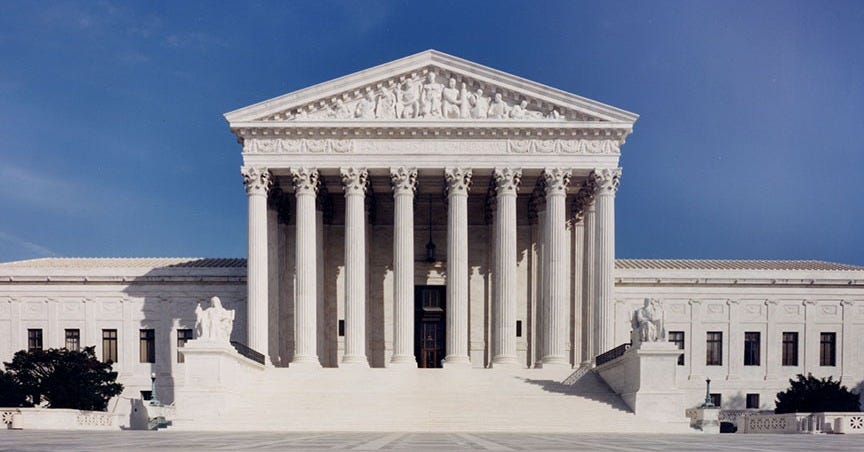
The Supreme Court could dramatically reshape the U.S. election landscape as it takes up a series of cases with long-lasting consequences for how Americans vote and how political power is allocated.
The stakes are high because decisions handed down in these cases aren’t just about narrow legal points, they could alter voting rules and influence political competition nationwide for years to come.
According to reporting, the court is weighing challenges that involve election procedures, though the specific docket items were not fully detailed in the available report. These matters come at a time when disputes over redistricting, voting rights, and federal versus state election powers are already political flashpoints, heightening uncertainty about how the high court will rule.
Follow The Coffman Chronicle on NewsBreak for daily breaking political coverage.
A complicating factor is the Purcell principle, a legal doctrine that traditionally counsels federal courts to avoid changing election rules close to an election to prevent voter confusion. How the Supreme Court navigates that principle in these cases — whether it restricts or expands its application — remains an open question.
Legal strategist Dr. Lillian Grant said, “The outcomes before the Supreme Court will signal how aggressively the judiciary plans to intervene in election policy.” Grant is a constitutional law expert at the National Election Institute.
That matters because precedent shows court interventions can have broad ripple effects, including on redistricting authority and ballot access.
Experts are watching not just the rulings themselves but when they are issued, given upcoming primaries and the 2026 election cycle. Court calendars suggest major opinions could arrive later this term.
For voters and campaigns alike, what happens next will define the rules of engagement for years.
Follow The Coffman Chronicle on NewsBreak for daily breaking political coverage.