


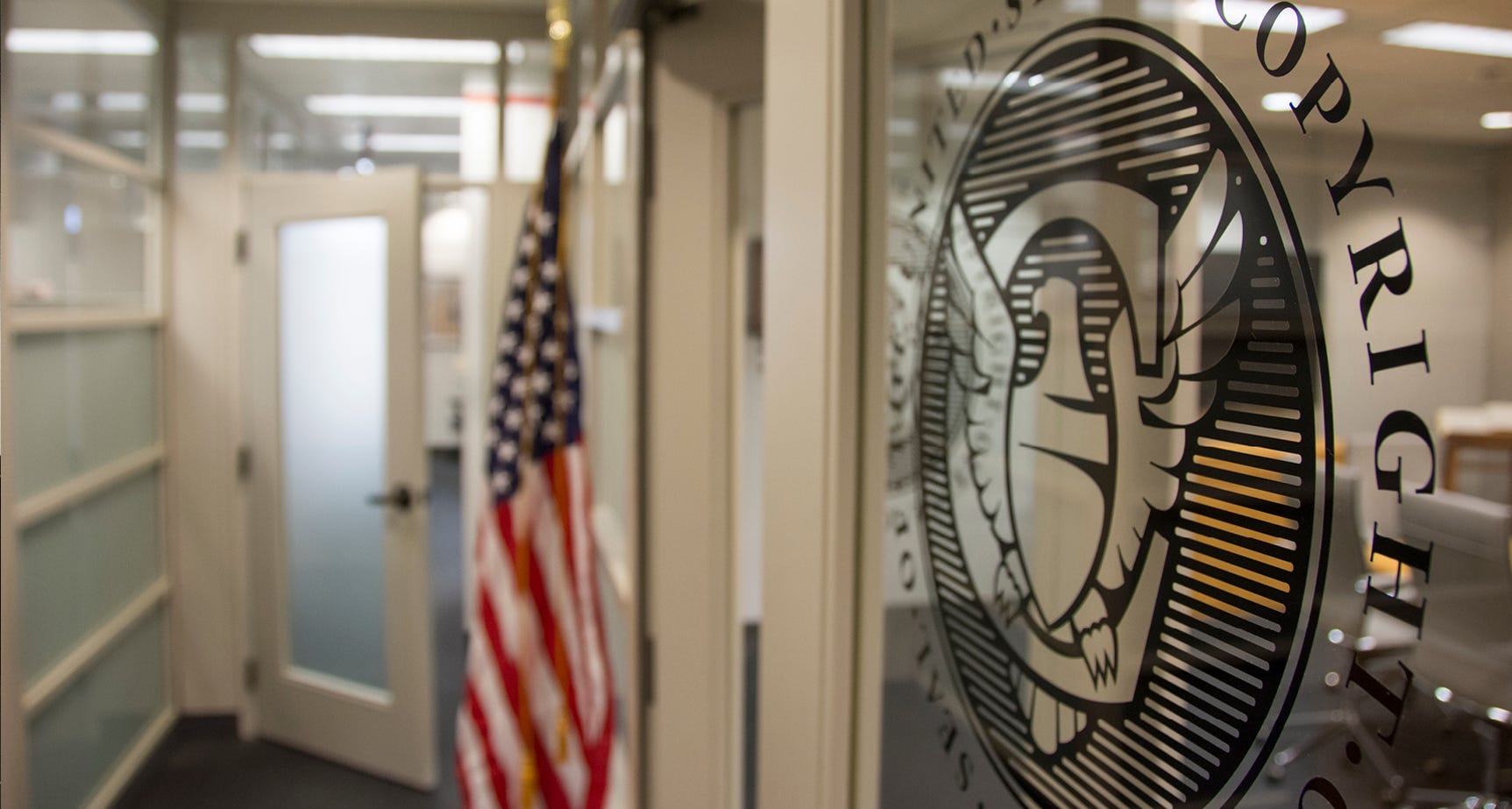
The U.S. Supreme Court has refused to hear a major case over whether art generated solely by artificial intelligence qualifies for federal copyright protection — a question with significant implications for creators and the fast-growing AI industry.
The denial of review leaves in place lower court rulings that AI-only output cannot be protected unless there is a human author involved, reinforcing current legal standards. According to Reuters and The Verge, the justices turned away the appeal by Stephen Thaler, a Missouri computer scientist who argued his AI system created an image entirely on its own.
At issue was Thaler’s request to register a piece called A Recent Entrance to Paradise under the U.S. Copyright Office, which rejected the application in 2022 on the ground that the work lacked “human authorship,” a requirement rooted in longstanding copyright law. The U.S. District Court in Washington upheld that stance in 2023 and the D.C. Circuit Court of Appeals affirmed it in 2025.
Download a FREE Pocket Constitution NOW
The case drew broader attention because it could have reshaped how the law treats autonomous AI creations. Thaler’s lawyers told the Supreme Court the issue was one of “paramount importance,” warning current interpretations could chill innovation in AI and creative fields.
The Biden administration — through the Department of Justice and Copyright Office — supported the existing human authorship requirement, saying the Copyright Act’s text and structure point toward human creativity as the basis for protection.
With the Supreme Court’s refusal, the legal landscape remains unchanged: AI systems alone cannot be credited as authors for copyright purposes. Creators who use AI as a tool may still obtain protection, but that will depend on how much human judgment and input is involved.
What happens next: experts expect further litigation and legislative interest as generative AI becomes more powerful and widespread, with courts likely to continue refining the line between assisted creativity and autonomous machine output.
Follow The Coffman Chronicle on NewsBreak for daily breaking political coverage.