


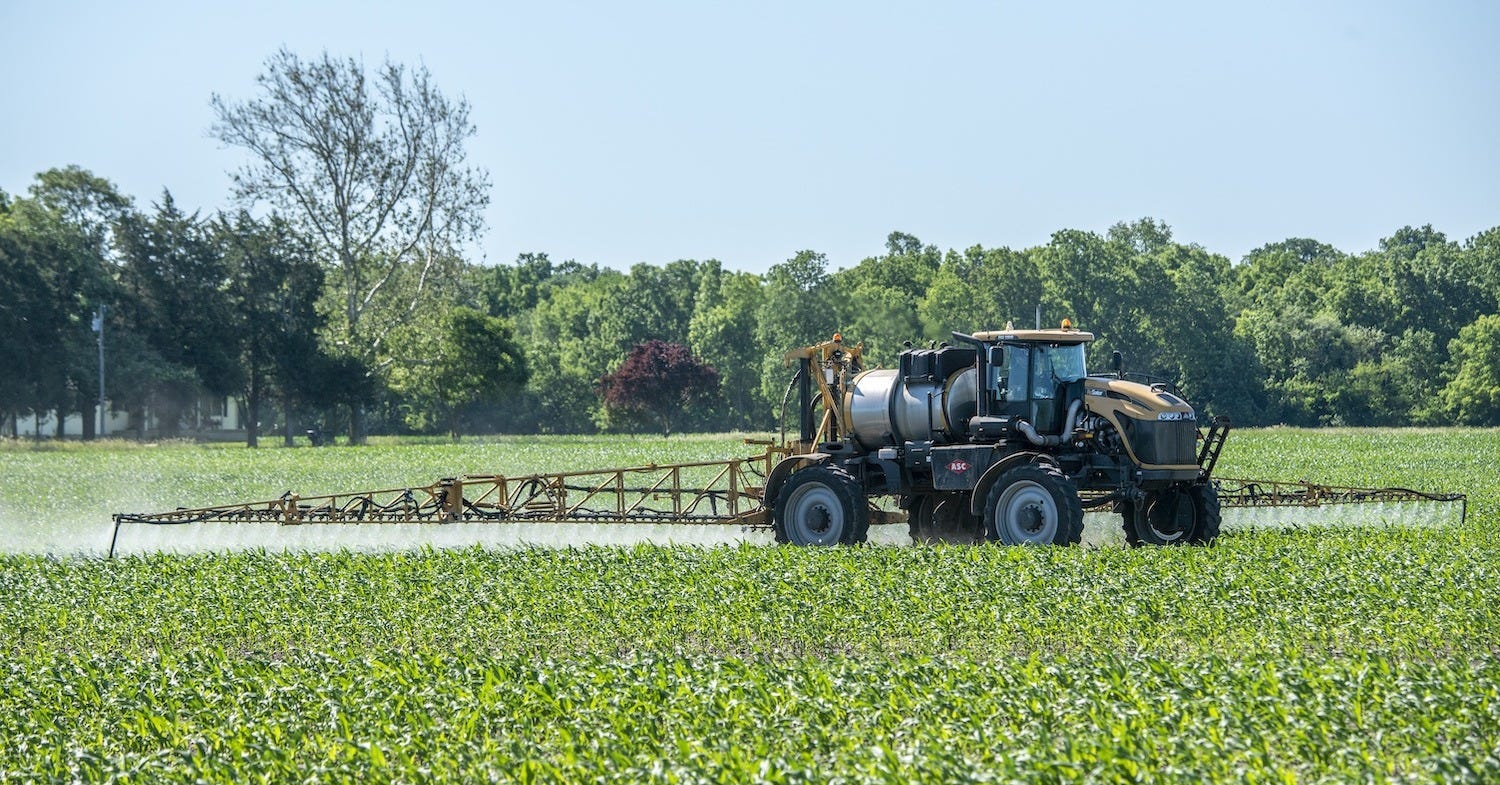
The Supreme Court’s Roundup case could determine more than whether Bayer faces more cancer lawsuits. It could shape how agricultural risk gets priced across the economy.
At the center is whether federal pesticide law blocks state failure-to-warn claims against Monsanto, now owned by Bayer. According to Reuters, the justices appeared divided.
The legal fight carries multibillion-dollar stakes. Bayer argues inconsistent warnings could destabilize pesticide regulation and raise costs for growers who rely on glyphosate.
But the case also raises ecological pressure points. A decision favoring Bayer could preserve current herbicide-heavy farming systems while reducing litigation-driven pressure for alternatives.
A ruling against Bayer could do the opposite, increasing liability risk and potentially accelerating changes in weed management, though critics warn those shifts may come with higher farm costs.
Subscribe free for daily political analysis they won’t broadcast. Join 110K+ readers →
“This case could reshape product liability law,” AP reported.
Why it matters goes beyond agriculture. A broad preemption ruling could influence how courts treat corporate warnings in chemical, pharmaceutical and environmental disputes. A narrower ruling could preserve lawsuits as a parallel check when regulators face criticism over emerging science.
There is also a market dimension. Bayer’s litigation exposure, farm input pricing and even food production economics could be affected depending on whether glyphosate remains legally insulated or newly vulnerable.
What happens next may be even bigger than oral arguments. A ruling expected by the end of the term could determine whether pesticide regulation stays centered in Washington or faces renewed pressure through state courts.
The decision may land as both an environmental ruling and an agricultural economic one.
Download a FREE Pocket Constitution NOW →
