


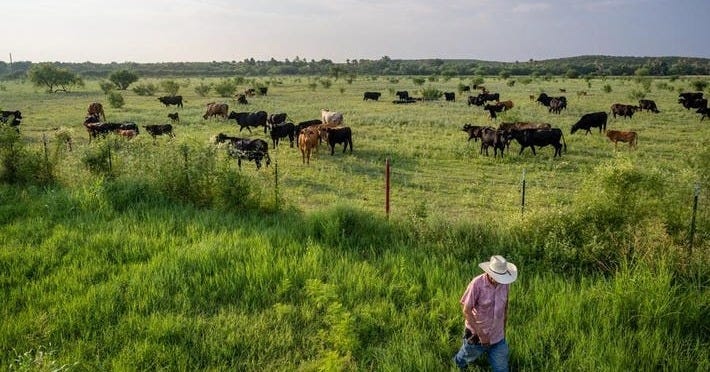
The Texas screwworm outbreak is increasingly being viewed as an economic threat rather than simply an animal-health issue. Multiple confirmed infections have prompted expanded USDA containment efforts as officials attempt to prevent the flesh-eating parasite from spreading through cattle-producing regions.
The timing is particularly sensitive because U.S. cattle inventories remain near historic lows following years of drought and herd reductions. Additional livestock losses could further tighten beef supplies and place upward pressure on prices that consumers are already paying at grocery stores and restaurants.
Subscribe free for daily political analysis they won’t broadcast. Join 110K+ readers →
Reaction from ranchers, agricultural organizations, and commodity market participants has intensified following confirmation of additional cases. Industry discussions increasingly focus on whether containment efforts can prevent larger economic consequences.
While officials continue to emphasize that the situation remains manageable, the emergence of multiple cases has transformed the story into a broader discussion about food inflation, supply-chain stability, and the resilience of America’s cattle industry.
Subscribe free for daily political analysis they won’t broadcast. Join 110K+ readers →