


Recently, the Centers for Disease Control and Prevention quietly pulled back one of the country’s most critical tools for detecting foodborne illness outbreaks. Without fanfare, without press conferences, and with little media attention, the CDC scaled down active surveillance for six of the eight pathogens tracked by FoodNet, a joint program it has run for nearly 30 years.
The timing could not be worse. Foodborne illness in the United States is on the rise. In 2024, hospitalizations and deaths linked to contaminated food doubled. Recalls of tainted products—everything from lettuce and deli meat to shrimp with trace radiation—spiked by over 40 percent. At the very moment public health needs more information, the country’s disease detection system is going dark.
This is not an accident. It's policy.
The CDC’s rollback of FoodNet took effect on July 1, 2025, but the public didn’t learn about it until nearly nine weeks later, on August 26. That’s more than two months during which six major foodborne pathogens went untracked in multiple states, and no one outside of a narrow circle of state and federal officials knew.
The delay wasn’t accidental. It was structural. The policy change came with no public press release, no agency briefing, and no alert to the millions of people who rely on foodborne illness data to stay safe. Only after investigative journalists and public health advocates raised an alarm did the story finally break. By then, the rollback had become entrenched, and any hope of swift reversal had all but evaporated.
Stay Informed. Stay Loud.
Subscribe to The Coffman Chronicle for no-BS political analysis, action guides, and daily truth bombs you won’t get from corporate media.
What FoodNet Was Built to Do
Established in 1996, FoodNet—the Foodborne Diseases Active Surveillance Network—was designed to do one thing very well: track the pathogens in our food before they spiral into widespread outbreaks. Operated by the CDC in partnership with the USDA, FDA, and ten state health departments, the program monitored lab-confirmed infections in a representative slice of the U.S. population, covering around 54 million people.
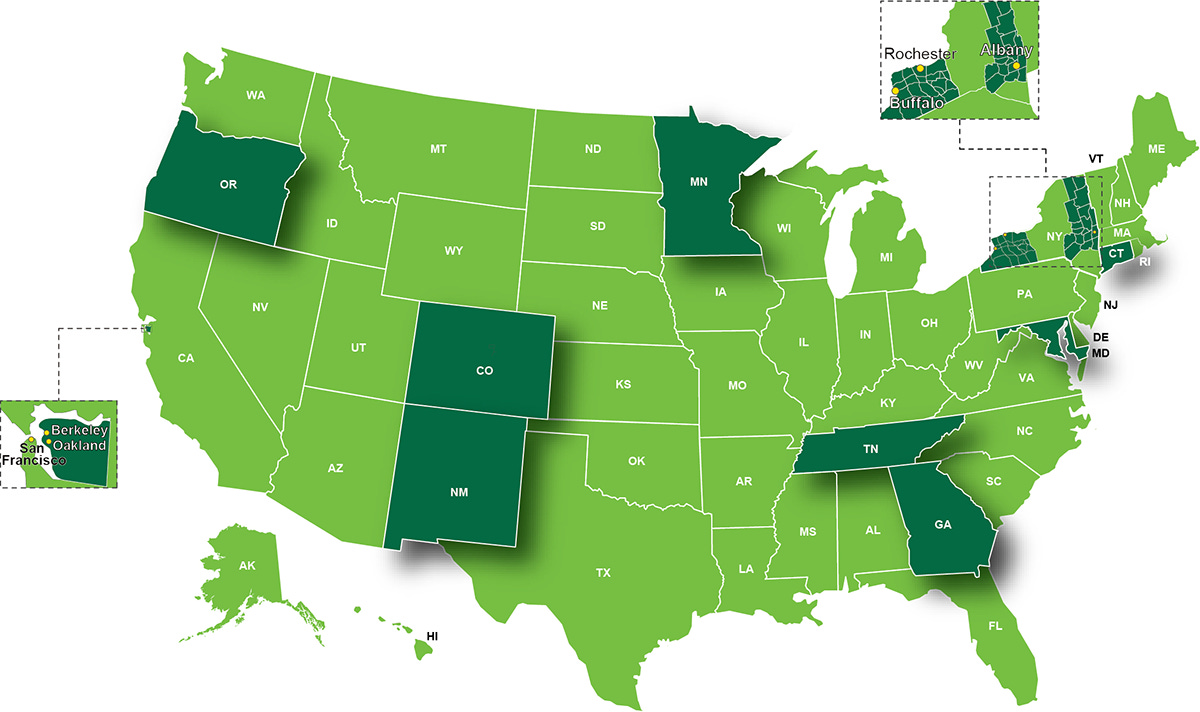
CDC- FoodNet
FoodNet tracked eight key pathogens: Salmonella, Listeria, Campylobacter, Shigella, Vibrio, Yersinia, Cyclospora, and Shiga toxin–producing E. coli (STEC). These organisms are responsible for millions of cases of foodborne illness each year, many of which are severe and some of which are fatal.
However, as of this summer, FoodNet will only track two of those pathogens—Salmonella and STEC—in most of its participating states. In the others, surveillance of the remaining six is now optional. Let’s be realistic. In a defunded system, optional often means abandoned.
The Pathogens Don’t Stop When the Surveillance Does
Foodborne illnesses are not theoretical. They don’t disappear because we stop tracking them. They simply spread without warning.
In April 2024, a listeriosis outbreak linked to Boar’s Head deli meats resulted in 61 hospitalizations and 10 deaths across multiple states. From May to November, contaminated liverwurst and other products quietly circulated through grocery store coolers before a recall was finally issued.
Just weeks ago, in August 2025, the FDA issued a warning about shrimp sold at Walmart and other retailers that tested positive for cesium-137, a radioactive isotope. No illnesses were reported, but the recall spanned over a dozen brands and multiple states. It was caught through import screening. Had the shrimp been contaminated with a bacterial pathogen instead, we might never have known until the cases began to spike.
In 2024, romaine and iceberg lettuce were linked to a multistate E. coli outbreak that sickened at least 69 people. The contamination was traced only after the fact.
These events occurred while FoodNet was fully operational. Imagine the impact of this tracking removed. Without real-time pathogen surveillance, these are the kinds of outbreaks that escalate before they’re even recognized. Without FoodNet, there are fewer early warnings. There are fewer recalls. There are more sick children, pregnant women, elderly patients, and immunocompromised individuals left wondering what made them ill.
Deregulation and funding cuts at our health agencies are not new. See some of our previous reporting here:
Note: This article is more than 45 days old and now lives in our archive. Consider becoming a paid subscriber for exclusive perks including full access to our 900+ articles.


The Most Vulnerable Are Left to Guess
Surveillance systems exist to protect those least able to protect themselves. Children, older adults, cancer patients, pregnant women—these are the people who suffer most when foodborne pathogens go undetected. In a functioning public health system, they receive warnings. In a weakened one, they just hope.
This rollback means that families feeding toddlers, seniors in nursing homes, and low-income shoppers relying on grocery discounts must now navigate their choices without knowing which foods are under investigation or which ones should have been.
The Fiction of Fiscal Responsibility
The CDC has framed the rollback as a resource decision, part of broader budget constraints under the Department of Government Efficiency (DOGE). The USDA has echoed similar reasoning for its own cuts, slashing more than a billion dollars in funding from food safety labs, sustainable farming programs, and public health research.
But these so-called savings are misleading. The U.S. economy already loses an estimated $17.6 billion annually due to foodborne illnesses. That figure includes hospital costs, lost wages, productivity losses, and long-term health complications. That estimate covers only 15 major pathogens.
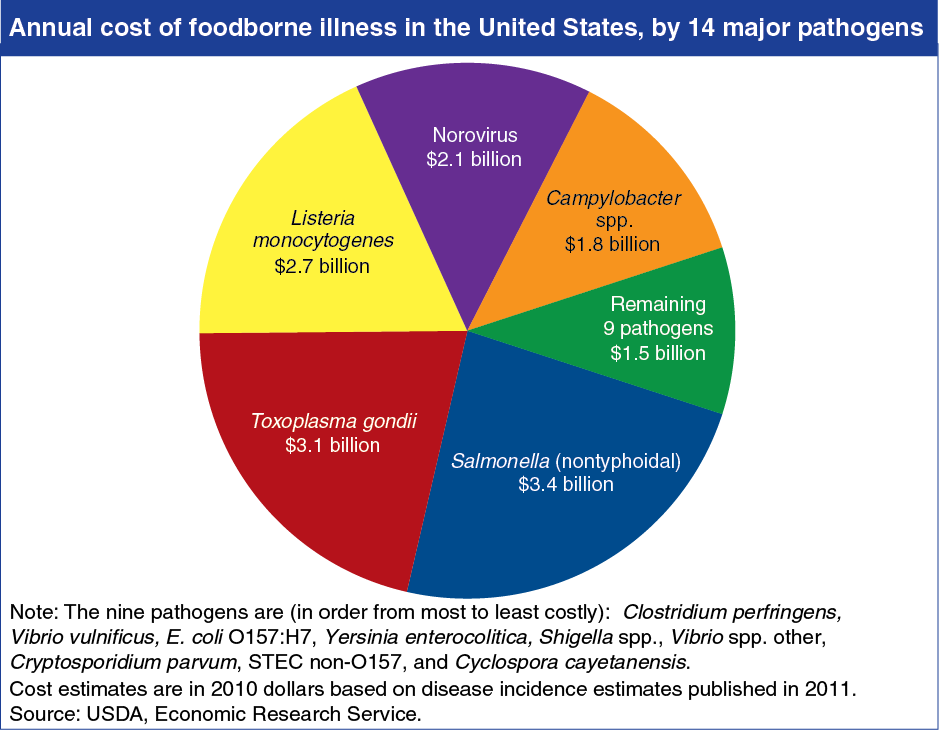
USDA - 2011
The cost of maintaining FoodNet—relative to what we lose when people fall ill—is barely a rounding error. However, the costs of not maintaining it are immeasurable.
This Is Not About Efficiency. It’s About Industry
So who benefits from a nation with less food safety oversight?
It isn’t families. It isn’t workers. It certainly isn’t consumers trying to buy “real food” in a landscape where even organic lettuce or raw milk can carry life-threatening pathogens.
The only consistent winners are Big Food and Big Ag, the industries that profit most when oversight is minimal, regulations are loosened, and recalls are delayed. These companies have long lobbied for “regulatory relief,” and now, with key advisory committees dismantled and public health programs defunded, they are getting it.
The market gets cheaper compliance. The public gets sicker.
The Pattern Is Bigger Than Food
This rollback is just the latest in a wider attack on inconvenient science. Research institutions are being hollowed out. Advisory panels are being shuttered. Surveillance programs are being neutered. And the professionals who spent decades building systems to protect public health are being pushed out.
The FoodNet rollback isn’t just a policy change. It’s a symptom of a deeper political rot, one where profit comes before prevention, and the solution to rising illness is to stop counting the sick.
See our previous reporting on the war on science here:


What We Don’t Know Can and Will Hurt Us
You don’t reduce illness by ignoring it. You don’t save lives by cutting the systems that protect them. And you don’t solve food safety by pretending it’s someone else’s responsibility.
As foodborne illness rises and the surveillance that once kept it in check is dismantled, the consequences will come—quietly at first, then in headlines, and finally in hospital beds.
This isn’t oversight. It’s neglect. And it’s not just dangerous. It’s deliberate.
Stay Informed. Stay Loud.
Subscribe to The Coffman Chronicle for no-BS political analysis, action guides, and daily truth bombs you won’t get from corporate media.
Sources:
Centers for Disease Control and Prevention. “Foodborne Illness Acquired in the United States—Major Pathogens, 2019.” March 19, 2025.
Food Safety News. “CDC Slashes FoodNet Surveillance from Eight Foodborne Pathogens to Two.” August 26, 2025.
Public Interest Research Group Education Fund (PIRG). “Food for Thought 2025.” February 13, 2025.
Henderson, Bailee. “Hospitalizations, Deaths Caused by Foodborne Illnesses More Than Doubled in 2024.” Food Safety Magazine, February 13, 2025.
Dall, Chris. “Illnesses from Contaminated Food Increased in 2024 — Severe Cases Doubled.” CIDRAP, February 17, 2025.
Centers for Disease Control and Prevention. “About FoodNet.”
Wikipedia. “2024 United States Listeriosis Outbreak.”
Wikipedia. “2024 McDonald’s E. coli Outbreak.”
Wikipedia. “Foodborne Illness.”
Food & Wine. “America Has a Growing Food Safety Crisis No One Is Talking About.” May 25, 2025.
Scientific American. “Food Recalls Are Down, But Food Poisoning Deaths Are Up.” March 11, 2025.
Health.com. “New Report Reveals More Americans Got Sick, Died from Recalled Food in 2024.” February 28, 2025.
New York Post. “Avoid These Foods Right Now – The 10 'Really Risky' Items Causing Illness, According to Consumer Reports.” April 29, 2025.
Allrecipes. “The 10 Riskiest Foods to Eat Right Now, According to Food Safety Data.” May 13, 2025.
Food & Wine. “Hospitalizations and Deaths from Contaminated Food Doubled in 2024 — Here’s Everything You Need to Know.” April 10, 2025.

I can't believe trump's CDC did this without any warning. the new motto of the CDC should be "what you don't know can kill you - so sorry about that"
The increased traffic in doctor's visits and emergency rooms is going to cost billions. The question is how many people will die. Meanwhile, the hypocrisy of National Guard troops in DC keeping people safe is preposterous compared to protecting the public from preventable diseases.
But then this is the t regime. They lie. People die.