

There’s a bittersweet feeling when the growing season begins to wind down. We’ve spent months planting, watering, weeding, and negotiating with the local wildlife over who gets the vegetables. Now, in some areas, like ours, nights are getting cooler, days are getting shorter, and it’s time to gather the last of our garden treasures.
Of course, not everyone is preparing for winter! Depending on where you live, you may be enjoying a year-round growing season or just starting your spring garden. However, if you're facing colder weather, now’s the time to make the most of what you’ve grown.
Before you hang up those gardening gloves, here are a few things worth considering.
This Community Is Powered by You
What started as a small circle has grown into something much bigger, and it’s all because of readers like you.
Every time you forward this email, post it on socials, or bring someone new into the fold, you’re helping build one of the most passionate, independent communities out there.
Want to keep the momentum going?
Share this newsletter with someone who should be part of this conversation.
Thank you for being here. It means everything.
1. Gather the Good Stuff
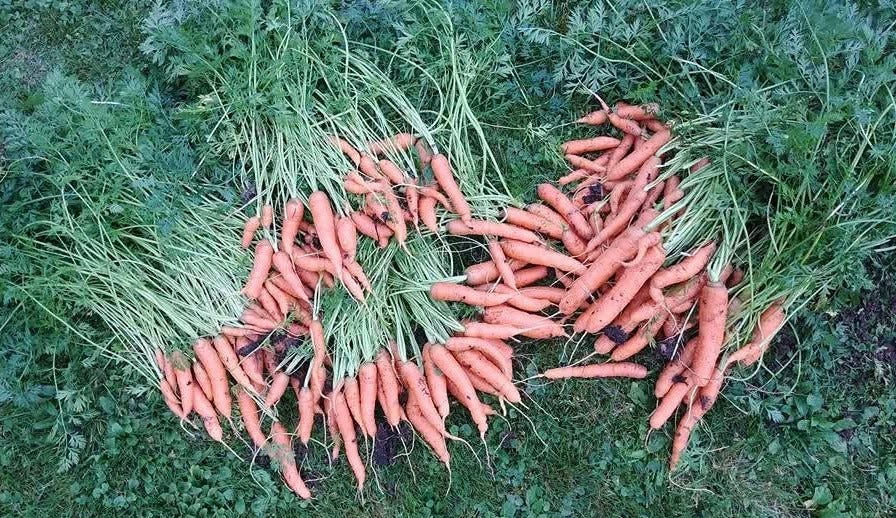
Don’t let that last batch of tomatoes, peppers, or herbs go to waste! Harvest what you can before a damaging frost arrives.
Some green tomatoes can ripen indoors, while you can enjoy other vegetables fresh or save them for later. Take a good look around the garden. You might be surprised at what’s still hiding beneath the leaves!
If you’ve already eaten all the zucchini you can stand, share the extras with friends, neighbors, or a local food pantry that accepts fresh produce.
After all, one household only needs so much zucchini bread.
2. Save Some for a Rainy (or Snowy!) Day
A little preserving now can bring your garden's flavors to the table long after the growing season ends. Plus, there’s something magical and nostalgic about putting up the produce for later.
Dry it! Herbs like thyme, rosemary, oregano, and chives dry well and store for future meals. Some vegetables and fruits also dry well. Don’t forget the greens! Dried carrot and celery tops make great seasoning.
Freeze it! Peppers, tomatoes, berries, and many herbs freeze well, especially when destined for soups, stews, or sauces. Carrot and celery tops freeze too.
Can it! You can preserve the vegetables on their own, but don’t forget the classics. Jams, pickles, and sauces can help stretch the harvest. Follow tested recipes and safe processing methods. No one wins with botulism.
Store it! Properly cured onions, garlic, and winter squash can last for months under the right conditions.
Make it! Harvest time is also prime for making infused oils, vinegars, or sugars, flavored butter, or special syrups. These are great for year-round use and make wonderful gifts.
And don’t forget soup season! Nothing beats a pot of homemade soup or chili simmering on a chilly day, especially when some of those ingredients came from your own garden. A little dried thyme, parsley, or rosemary can bring a welcome taste of summer to a winter meal.
Pro tip: Label everything with the contents and date. That mystery bag at the back of the freezer is considerably less exciting in February.
Bonus pro tip: Consider a soup scraps bag! We toss scraps, peels, and other leavings into a freezer bag marked SOUP. When it gets full, we simmer it into a tasty broth or stock. Keep a separate bag for meat scraps to do the same.
Bonus bonus pro tip: We usually assemble quiche, lasagna, and soup during the harvest period to use up scraps and excess produce. Quiche freezes well, as do some lasagna and soup preparations, depending on the contents. Since we’re already drying and freezing, we can use kitchen time to make a hearty meal with plenty of extras for future meals, so we have something to look forward to once we are done.
3. Save a Little Color, Too!
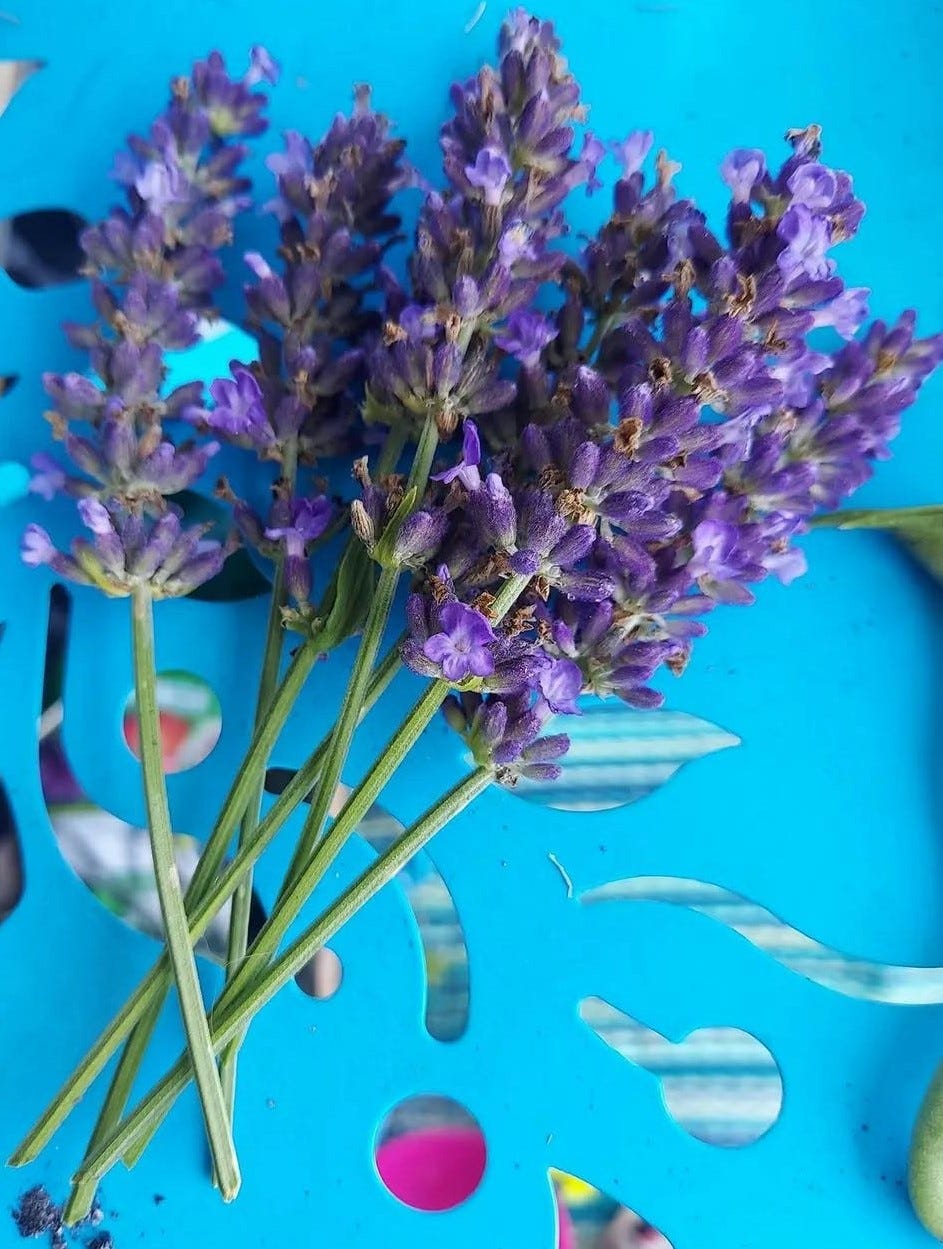
Vegetables and herbs aren’t the only things worth harvesting. Before frost claims the last flowers, gather a few colorful blooms to preserve for future projects. Lavender, zinnias, strawflowers, and many others can be dried or pressed for wreaths, handmade cards, arrangements, and seasonal crafts.
Saving a little color today can brighten a dreary winter afternoon. Homemade crafts also make thoughtful gifts without taking a big dent out of the household budget, and can be a fun family activity. Personally, I recommend flower pounding to both create and work out a bit of aggression, but the targets still need some moisture.
Pro tip: Some flowers are edible and can be sugared or otherwise preserved for stunning dessert additions.
4. Bring a Little Green Inside
Some plants aren’t quite ready to call it quits just because the weather is changing. Tender potted herbs and other plants may continue growing indoors with enough light and proper care. Rosemary, for example, can be overwintered indoors in colder climates.
Before bringing plants inside, check carefully for insects and other unwanted hitchhikers. Nobody wants to invite an entire colony of aphids into the kitchen!
Give your plants a suitable sunny spot or grow light, and remember that their watering needs may change indoors.
Don’t forget the windowsill! No outdoor garden? No problem! Kitchen herbs count, too. Regular trimming can encourage bushier growth in many herbs, including basil and mint, while giving you something fresh for dinner. Dry or freeze the extras, but remember that plants may grow more slowly as daylight decreases.
5. Some Things Are Worth Keeping Outside
Not everything in the garden needs to come indoors or be lost forever.
Depending on your climate, hardy perennials and certain vegetables can survive the colder months with a little protection. Mulch around appropriate plants to moderate soil temperatures and protect roots.
Autumn is also garlic-planting season in many colder regions. Planting cloves before the ground freezes can give them time to establish roots for next year’s harvest.
Check which plants and planting dates suit your local climate before tucking everything in for the season.
Over the Garden Fence
A good harvest isn’t measured only by what ends up on our own tables. Sometimes it’s the peppers you share with a neighbor, the extra herbs you pass along to a friend, or a favorite family recipe that makes its way into another kitchen.
Even if your garden didn’t produce quite what you’d hoped this year, there’s always something to learn and share.
What’s the last thing you harvested from your garden? Or, if your growing season is just beginning, what are you looking forward to planting?
Share your garden stories, favorite preserving tips, and perhaps a recipe or two in the comments. We’d love to hear what’s growing in your corner of the world!