


On January 20, 2025, President Donald Trump signed an executive order titled "Delivering Emergency Price Relief for American Families and Defeating the Cost-of-Living Crisis." Framed as a bold initiative to tackle rising housing, healthcare, energy, and food costs, the order promises relief to struggling Americans. However, when paired with the administration’s proposed tariffs on Canada and Mexico and its emphasis on deregulation, it becomes clear that the real winners of this policy are large corporations and industry allies, not the everyday people it claims to serve.
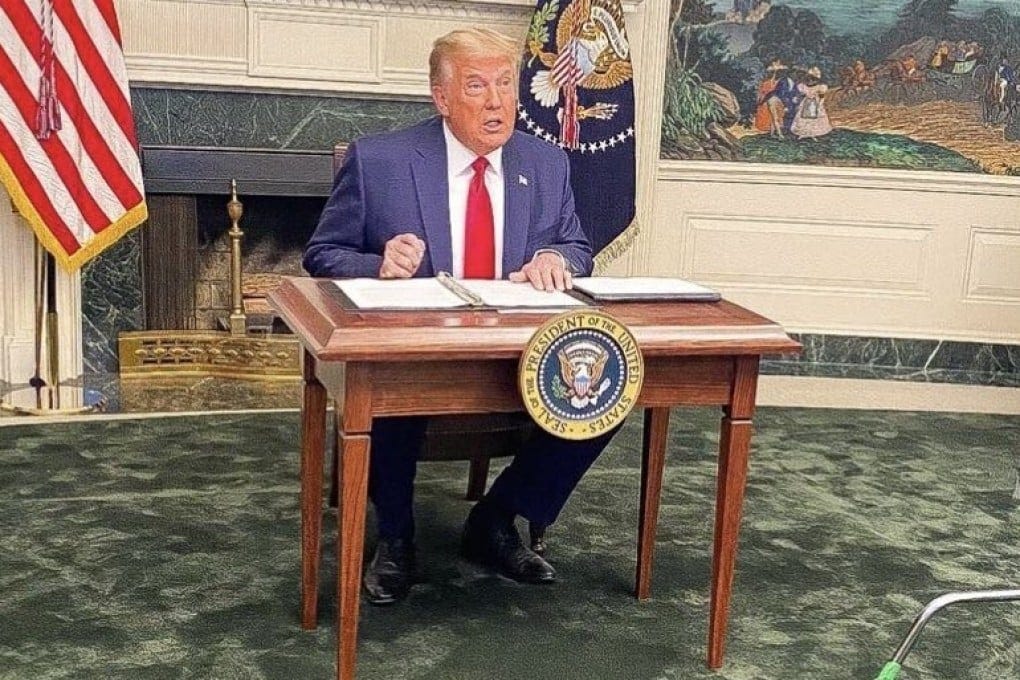
While the order sets ambitious goals, its vague directives, reliance on controversial trade measures, and deregulatory approach raise serious concerns about its ability to deliver meaningful relief to working families. Trump’s first term suggests this is more of the showman’s empty talk to his base as he laughs with his billionaire cronies in the background.
What’s in the Executive Order?
The executive order outlines several actions for federal agencies to take:
Housing: Increasing the housing supply through eased zoning laws and streamlined development processes.
Healthcare: Reducing administrative costs and curbing rent-seeking practices in the healthcare industry.
Energy and Food: Rolling back climate-related regulations to cut costs on home appliances, food production, and fuel.
Workforce Participation: Increasing labor force participation by encouraging workers who left the job market to return.
Accountability: Requiring agencies to report on progress within 30 days.
The administration has also proposed tariffs on imports from Canada and Mexico, targeting energy and agricultural goods (AP News). These tariffs, meant to promote domestic industries, align with Trump’s protectionist trade philosophy.
The Coffman Chronicle is powered by YOU—no billionaires, no corporate overlords. Help us keep exposing the BS, delivering sharp insights, and keeping you informed.
For just $8 a month or $80 a year, you can fuel the fight and be part of the movement .
Not ready to subscribe? No worries, chaos loves company, and you're always welcome. But if you’re fired up to keep us loud, proud, and unfiltered, smash that subscribe button now!
Who Actually Benefits?
Despite its promises, this executive order seems designed to prioritize corporations and industry allies over American families:
Energy Companies: The rollback of climate-related regulations directly benefits fossil fuel companies by lowering compliance costs and expanding production opportunities. While this may lead to modest energy price reductions for consumers, the long-term environmental costs will disproportionately harm low-income communities (NY Post).
Agricultural and Industrial Giants: Proposed tariffs on Canadian and Mexican imports are designed to shield U.S. producers from competition but risk raising prices for goods like food and fuel in the short term (MarketWatch). This approach protects corporate profits more than family budgets.
Developers: While necessary, efforts to increase housing supply primarily rely on easing zoning laws and reducing regulatory barriers, which benefits developers. Without safeguards, this could lead to unchecked urban expansion rather than affordable housing for those most in need. Fast construction often means neither a safe work environment nor a sound home.
Problems and Contradictions
While the executive order claims to prioritize families, its approach reveals contradictions and significant shortcomings:
1. Tariffs That Hurt Consumers
The administration’s proposed tariffs on imports from Canada and Mexico will likely increase prices for goods like groceries and fuel in the short term. While these measures aim to boost domestic production, the immediate burden falls on consumers, who will pay more for everyday necessities (AP News). And let’s be honest: we all know who has traditionally picked American crops and how much small farmers have struggled to compete with industrial farming complexes.
2. Environmental Rollbacks with Hidden Costs
Easing climate-related regulations may temporarily reduce costs, but it risks long-term harm to public health and the environment. Increased pollution from expanded fossil fuel production will disproportionately affect vulnerable communities near industrial sites (NY Post). Many former steel towns know all too well what happens when industry is allowed to put profit over people.
3. Empty Promises on Housing
While the order touts plans to expand the housing supply, it overlooks systemic challenges. Zoning reforms and increased construction require years to deliver results and rely heavily on state and local cooperation. Without targeted efforts to ensure affordability, these measures could lead to luxury developments rather than housing for low-income families. For mega conglomerations seeking higher profits, fifty affordable homes can never compete with one McMansion. Furthermore, available and usable land to build upon isn’t exactly in surplus. Housing needs to be built where people work, not just where an empty lot can be sourced.
4. No Real Fix for Healthcare Costs
The promise to reduce administrative expenses in healthcare ignores the entrenched power of insurance companies and pharmaceutical giants, which are unlikely to relinquish profits without significant regulatory pressure. Simply mandating cost reductions without structural changes is unlikely to bring meaningful relief to families burdened by medical bills. Attempts to address big pharma’s greed have already been threatened by the new administration. Does anyone really believe that Trump and his fat cat friends will stand between corporations and profits?
5. Vague Workforce Plans
Encouraging labor force participation sounds promising, but the order does not address barriers like childcare, healthcare access, or wage stagnation that keep many Americans out of the job market. The way the executive order is written could be seen as promoting retired workers to return to the workforce as unemployment rates have fallen under Biden. However, this should not be surprising, as the administration has repeatedly promoted and attempted attacks on social security and the retirement age. Few can afford to rely upon social security alone, and many have already been forced back into low-paying jobs to survive.

A Familiar Pattern: Corporations First
This executive order fits a familiar pattern from Trump’s first term: policies framed as benefitting the average American but ultimately serving corporate interests. Deregulatory measures and protectionist trade policies may bolster industries, but they often fail to translate into significant improvements in wages, living conditions, or affordability for most families.
This plan risks widening economic inequalities by prioritizing fossil fuel companies, developers, and agricultural giants. Even if energy prices drop slightly, families facing unaffordable housing, stagnant wages, and rising healthcare costs will unlikely see the relief they’ve been promised. In his confirmation hearing, Scott Bessent, Trump’s Treasury nominee, made it clear that he sees no need to address minimum wage (MSN), and the rest of the administration has not suggested they would support reform either.
Promises for Families, Results for Corporations
President Trump’s executive order and proposed tariffs reflect a policy approach prioritizing corporate profits over meaningful relief for struggling families. While the administration claims to address the cost-of-living crisis, its reliance on deregulation and protectionism is more likely to benefit powerful industries than the average American.
True price relief requires bold, systemic changes to housing, healthcare, and labor policies—none of which are adequately addressed in this plan. Meaningful change requires breaking up monopolies, addressing antitrust issues, supporting unions and stronger wages, and making billionaires pay their fair share — none of which Trump can afford to do if he aims to keep his funders happy. For now, the promise of cost-of-living relief remains just that: a promise with little evidence it will deliver the results families desperately need.