


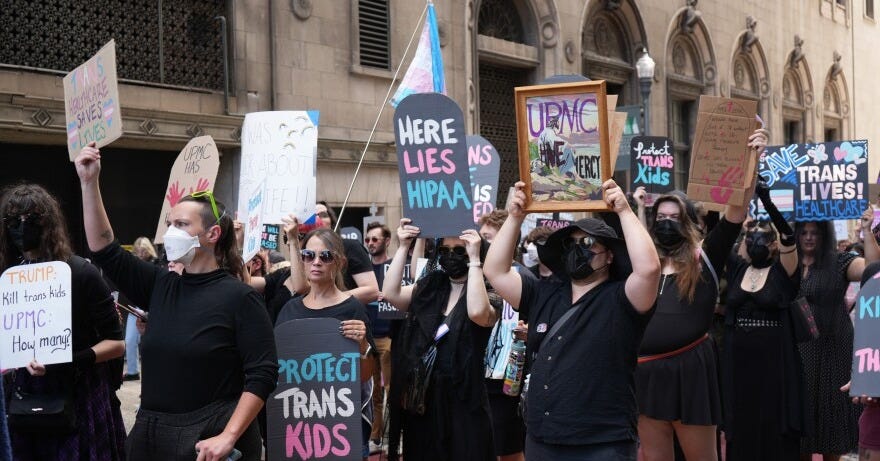
Transgender youth and their families have filed a class action lawsuit challenging Department of Justice efforts to obtain medical records connected to gender-affirming care, escalating a growing national conflict over healthcare privacy, federal authority, and transgender rights.
According to the lawsuit, the DOJ’s subpoenas seek highly sensitive patient information from hospitals and healthcare providers that treated transgender minors. Plaintiffs argue the requests violate privacy protections and place vulnerable patients at risk by exposing personal medical histories.
The legal battle did not emerge in isolation.
Since 2025, the Justice Department has issued more than 20 subpoenas targeting providers involved in gender-affirming care for minors as part of broader investigations announced by federal officials.
Those efforts have produced a series of court fights across the country. Judges have blocked or sharply criticized several subpoena attempts involving hospitals in California, Massachusetts, Rhode Island, and other states. Some courts concluded the requests threatened patient confidentiality while others questioned the government’s legal justification.
Subscribe free for daily political analysis they won’t broadcast. Join 110K+ readers →
The broader dispute reflects a major shift in the transgender-rights debate. Earlier legal fights largely focused on access to care, state restrictions, and healthcare policy. Increasingly, litigation is centering on whether federal authorities can access records identifying patients who received treatment.
Civil-liberties groups, LGBTQ advocates, and healthcare organizations have publicly supported challenges to the subpoenas, arguing they could discourage families from seeking medical care and undermine longstanding expectations of medical privacy.
The DOJ has argued its investigations involve potential violations of federal law and healthcare regulations. No broad federal ban on gender-affirming care currently exists.
The outcome of the case could influence how far federal agencies can go in demanding sensitive healthcare records and may become one of the defining privacy-rights disputes surrounding transgender healthcare in the United States.
Subscribe free for daily political analysis they won’t broadcast. Join 110K+ readers →