


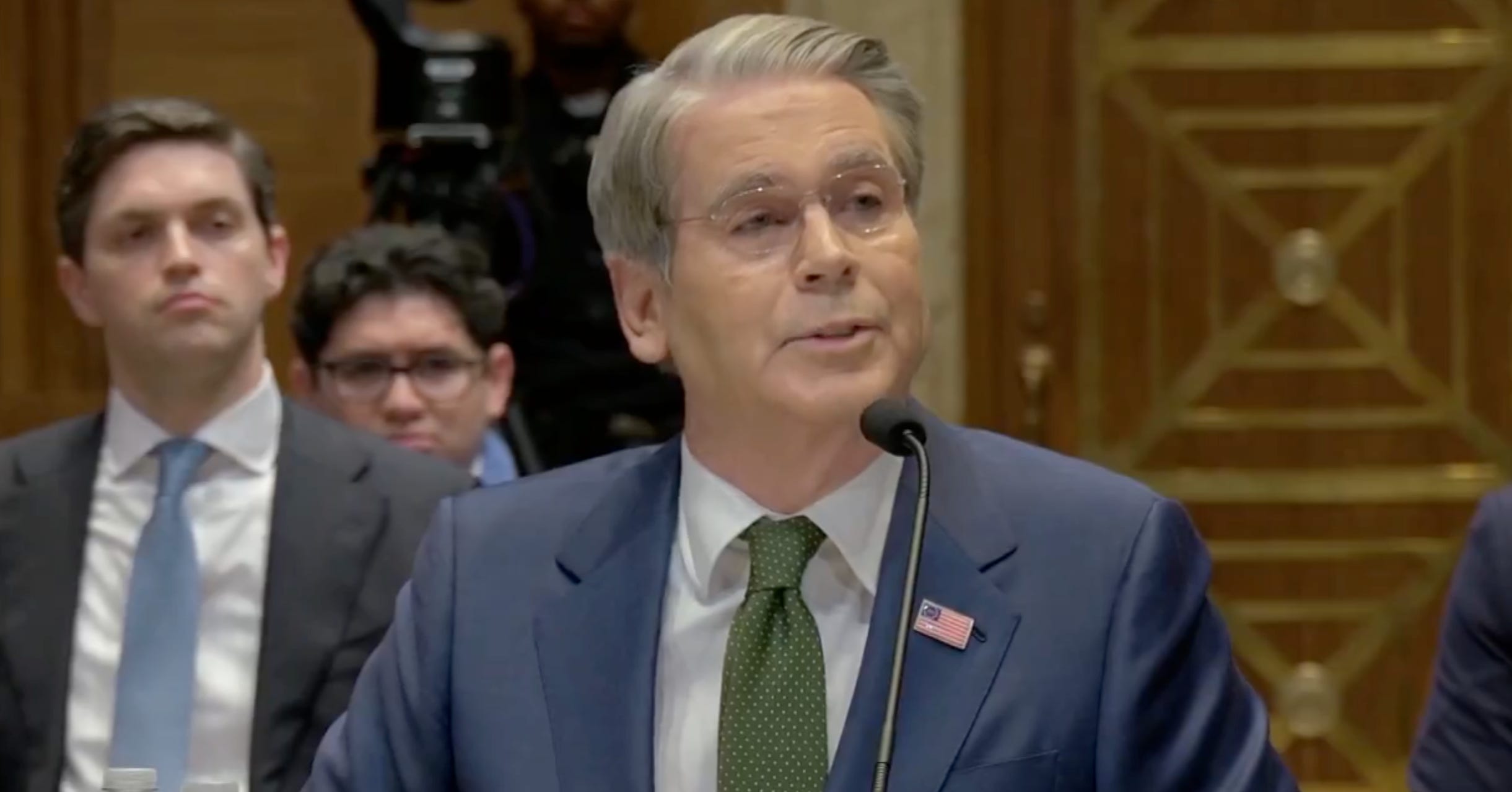
The Trump administration is considering a financial backstop for the United Arab Emirates as Middle East instability rattles global markets. The proposal centers on a currency swap line, a move Treasury Secretary Scott Bessent says could stabilize dollar funding.
The tension is whether the support is necessary at all.
According to Reuters, Bessent told lawmakers that Gulf allies have requested access to U.S. dollar liquidity, with a UAE swap line under discussion. President Donald Trump confirmed the plan is “under consideration” as the Iran conflict disrupts oil flows and financial systems.
But UAE officials are pushing back.
The country’s ambassador to the U.S. said the UAE remains financially strong and does not require outside support, despite the ongoing talks. Analysts also point to roughly $270 billion in reserves, complicating the urgency behind the request.
“It would benefit both the United States and the UAE,” Bessent told lawmakers.
The structure itself adds another layer of uncertainty.
Subscribe free for daily political analysis they won’t broadcast. Join 110K+ readers →
Currency swaps are not direct spending programs but allow foreign central banks to access U.S. dollars through the Federal Reserve. Still, past deals—like a $20 billion swap with Argentina—triggered criticism over financial exposure and policy priorities.
The broader impact could extend beyond finance.
With oil markets already strained and U.S. drivers facing price volatility, any expanded financial coordination in the region may draw scrutiny over economic priorities at home.
What happens next depends on whether the Federal Reserve approves the mechanism and how the administration frames its necessity.
For now, the proposal remains under review.
Download a FREE Pocket Constitution NOW →
