


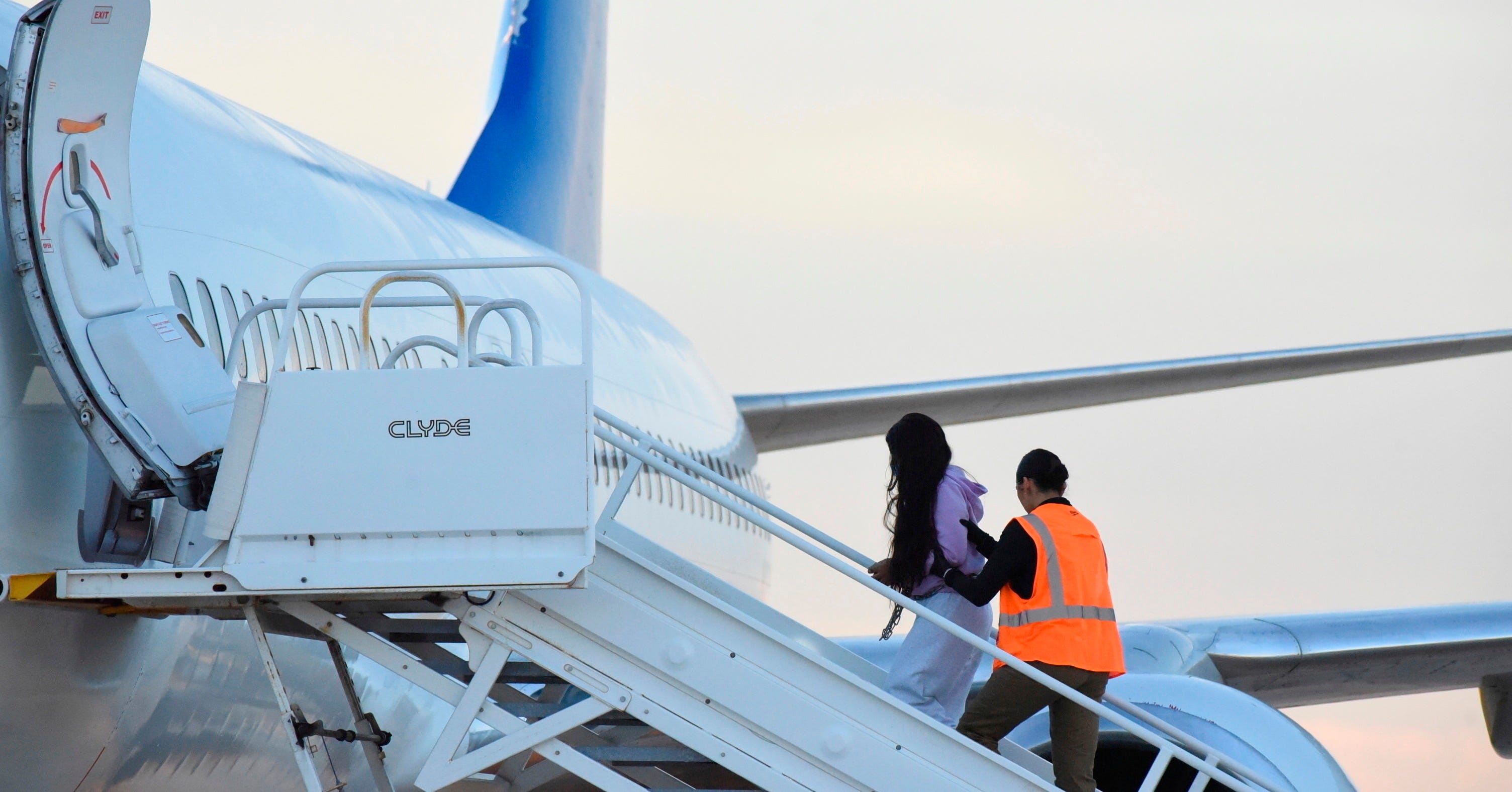
A gay asylum-seeker who fled violence in Morocco says the Trump administration deported her to a third country where homosexuality is illegal, then forced her back to Morocco. According to The Associated Press, the move raises fresh concerns about U.S. asylum policy and legal safeguards.
Farah, 21, escaped Morocco after being beaten and threatened by her family for her sexual orientation, she told the AP. Homosexuality is a crime in Morocco, punishable by up to three years in prison, and she says her family once tried to kill her.
After a long journey through Brazil and six countries, Farah and her partner reached the U.S. border and asked for asylum. She was detained in Arizona and Louisiana for nearly a year but ultimately received a protection order from an immigration judge, who ruled she couldn’t be deported to Morocco because of the risk to her life.
Related: Trump Admin Moves To Deport California Woman Adopted From Iran Despite Lifelong U.S. Ties
Just three days before a scheduled release hearing, officials from U.S. Immigration and Customs Enforcement handcuffed her and put her on a plane to Cameroon, a country she had never visited and where homosexuality is illegal. She was held in a detention facility there before being flown back to Morocco.
Immigration lawyers say Farah is one of dozens of migrants deported to third countries under Trump administration agreements, despite having legal protection from deportation to their home countries. Critics call the practice a loophole that undermines due process and international asylum obligations.
Related: DHS Plans Unified Biometric Search Engine for Faces and Fingerprints Across Agencies
“By deporting them to Cameroon… the U.S. not only violated their due process rights but our own immigration laws,” said immigration lawyer Alma David.
The issue matters because it could set a precedent for bypassing U.S. courts and sending vulnerable asylum-seekers to places where they face severe legal and physical danger. Advocates say it signals a broader shift in how the U.S. handles asylum cases, especially for LGBTQ+ individuals.
Legal challenges and international scrutiny are expected to follow as lawmakers and rights groups call for oversight. What happens next may hinge on pending court battles over third-country removal practices.