


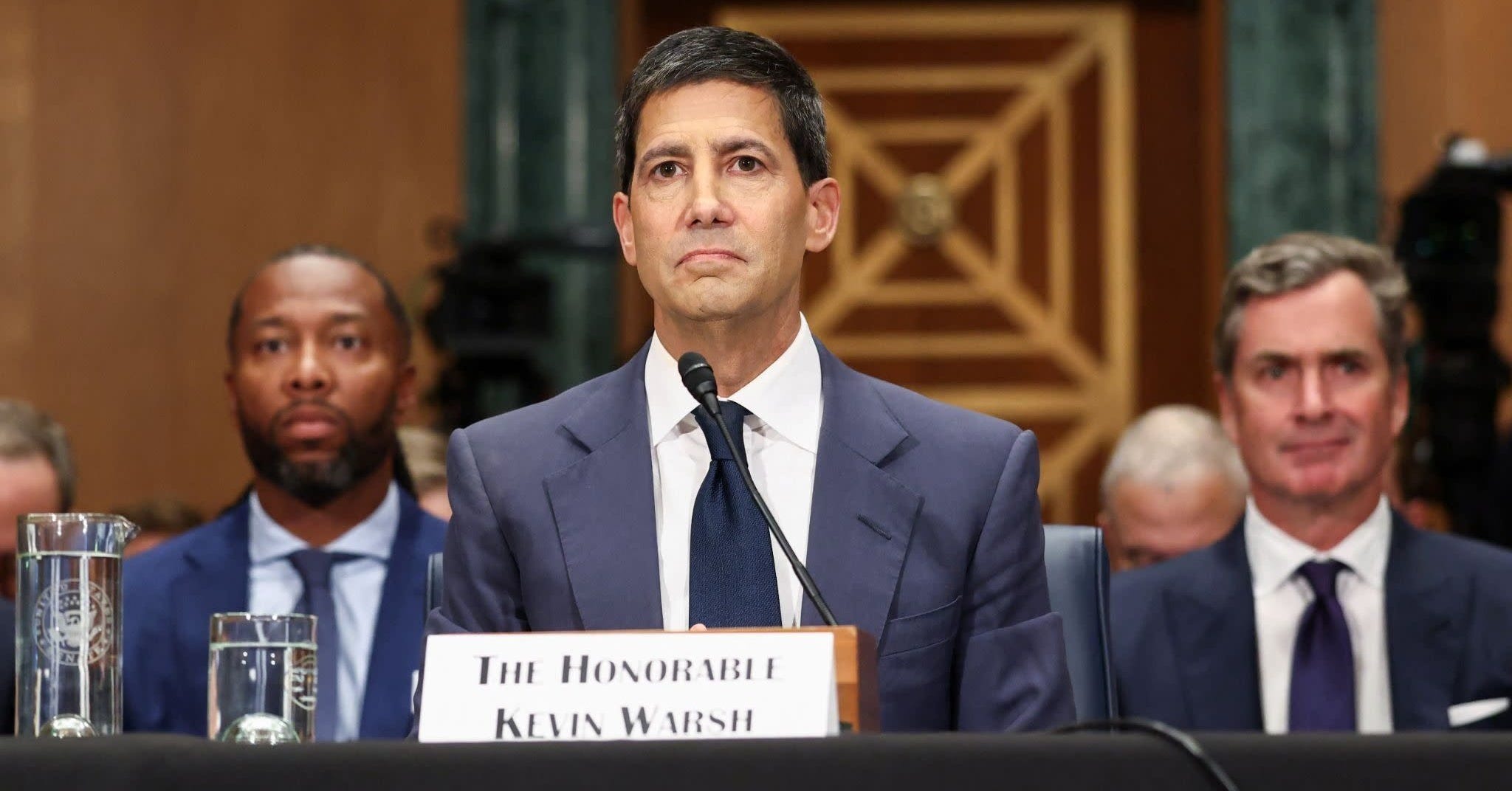
Trump’s effort to install Kevin Warsh atop the Federal Reserve cleared a major hurdle this week, but the committee vote may have opened a broader fight over power inside one of Washington’s most independent institutions.
The Senate Banking Committee advanced Warsh in a 13-11 party-line vote, pushing the nomination toward full Senate confirmation.
The stakes reach beyond monetary policy.
Warsh’s nomination arrives under scrutiny because critics argue it fits a long-running Trump pattern: aggressive personnel moves followed by internal rupture, turnover or loyalty tests.
According to Reuters, Sen. Thom Tillis had delayed support until a Justice Department probe involving Jerome Powell ended, a twist that turned a routine confirmation into a political standoff.
Subscribe free for daily political analysis they won’t broadcast. Join 110K+ readers →
That complication sharpened questions over whether the nomination is about Fed reform or White House leverage.
Trump’s history feeds those questions. His administrations have repeatedly cycled through senior officials at unusually high rates, making durability, not just nomination, the underlying political issue.
“Independence at the Fed is the core test here,” one line of criticism from committee opponents centered on.
That matters because turnover in Trump’s orbit has often produced policy whiplash, and critics warn markets watch that pattern as closely as ideology.
Supporters counter Warsh represents institutional overhaul after inflation shocks and argue Trump is choosing a reformer, not demanding control.
But a contradiction remains unresolved: Warsh promises independence while backing “regime change” inside the Fed, language now driving the confirmation debate.
The next step is a full Senate vote expected in coming weeks, where the nomination could become as much about Trump’s governing record as interest rates.
What happens next may shape more than the Fed chairmanship.