


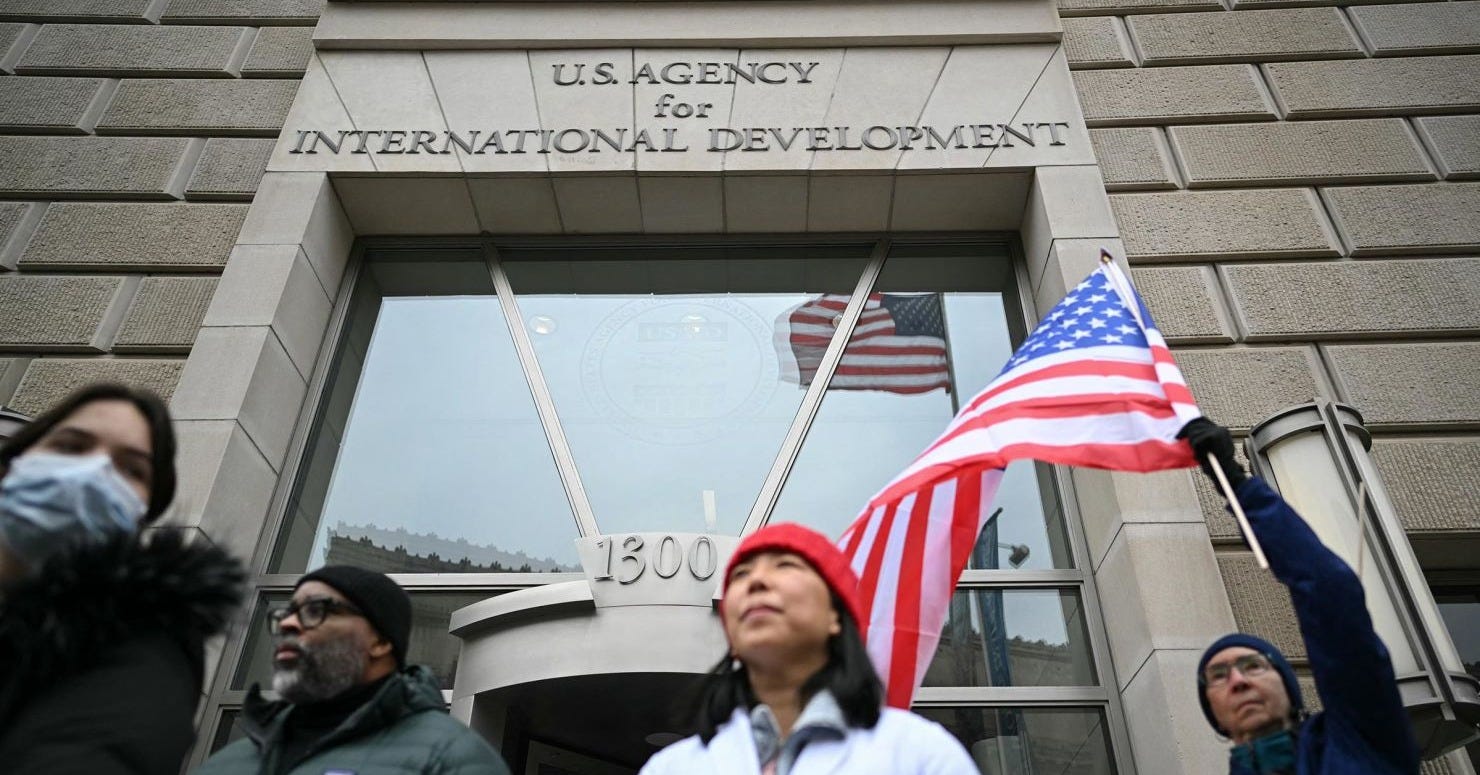
A year after the U.S. dismantled USAID, thousands of former aid workers are still struggling to find stable jobs, with broader economic effects continuing to spread.
The New York Times reports fewer than half of those laid off have secured full-time employment, as many exhaust savings and shift to lower-paying work or rely on family support
The scale of the layoffs created a saturated job market. Devex reporting shows demand hasn’t kept up, leaving highly skilled workers competing for limited roles and often accepting steep pay cuts
The cuts themselves were sweeping. More than 9,500 USAID jobs were eliminated, and the agency’s workforce was reduced to a fraction of its former size
But the disruption didn’t stop at federal employees. Contractors, universities, and nonprofits tied to aid funding also saw layoffs, including thousands of positions lost after grant cancellations
Subscribe free for daily political analysis they won’t broadcast. Join 110K+ readers →
“There aren’t enough jobs for the number of people searching,” one aid sector official told Devex
Globally, the economic shock has been wider. More than 100,000 aid-related jobs were impacted, while over half of humanitarian organizations cut staff as funding collapsed
That contraction has forced program closures affecting healthcare, food aid, and education, with some estimates warning millions could lose access to basic services
The longer-term question now is whether the aid workforce, and the systems it supported, can rebuild in a reshaped global funding landscape.
Download a FREE Pocket Constitution NOW →
