


Oil’s move toward $117 is raising concern that the Iran conflict is becoming an American pocketbook story, not just a geopolitical one. The immediate issue is energy, but the wider concern is inflation.
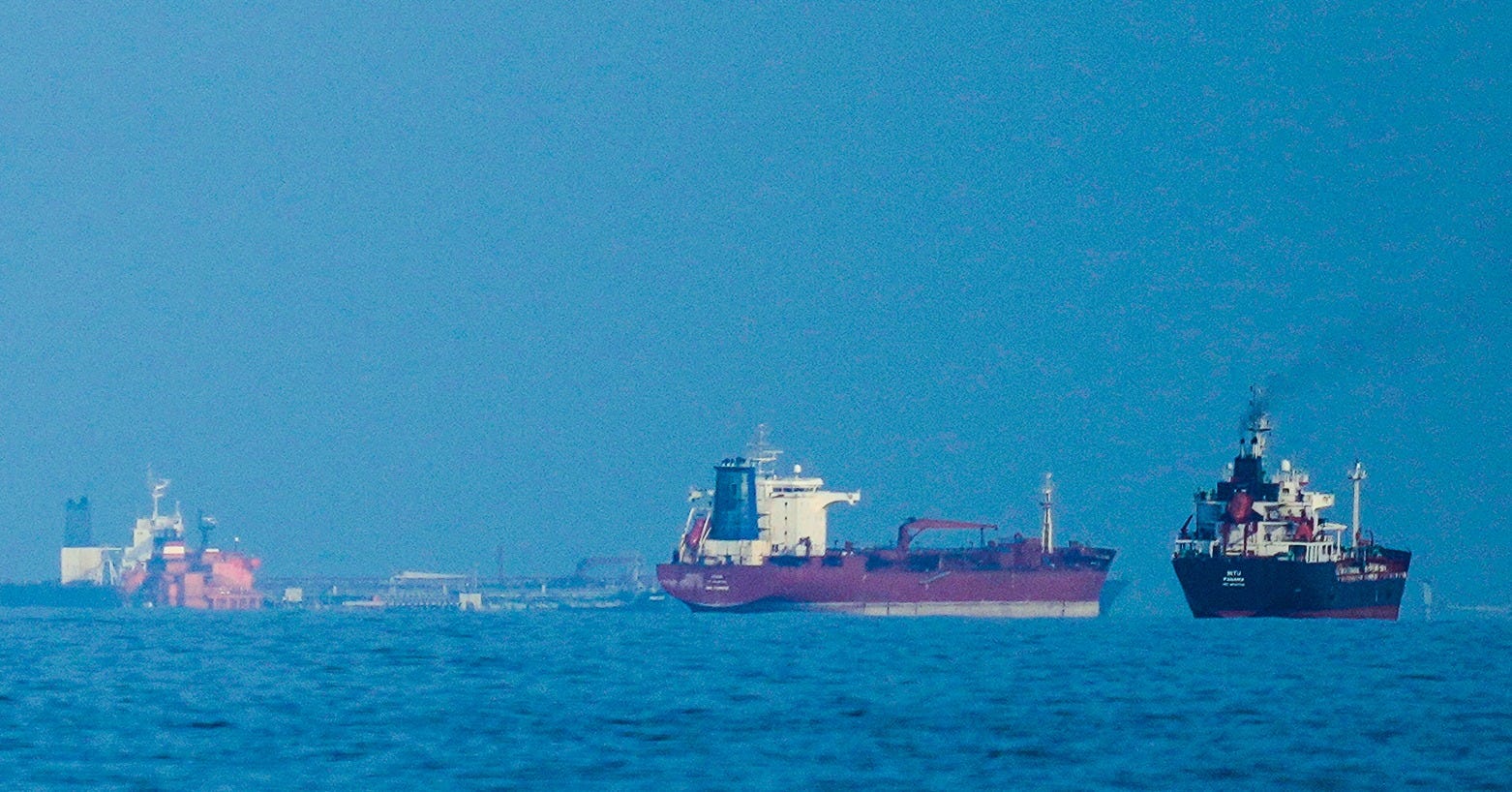
Markets reacted to reports the blockade could be prolonged, lifting fears of a supply disruption that may last beyond military escalation.
The first economic hit is straightforward: gasoline, diesel and jet fuel face upward pressure. That can ripple into airfare, trucking costs and food prices.
But the conflict is affecting more than energy.
Wall Street is increasingly watching whether higher oil delays Federal Reserve rate cuts, raising risks for mortgages, credit and business borrowing.
A second pressure point is supply chains. Shipping insurers have raised risk concerns in Gulf routes, while manufacturers tied to chemicals and plastics face potential input cost increases.
Subscribe free for daily political analysis they won’t broadcast. Join 110K+ readers →
“Markets are pricing a structural disruption, not just war risk,” one strategist told Reuters.
That distinction matters because prolonged shocks tend to move from commodity markets into household budgets.
There is also a political-economic layer. Rising defense expenditures, possible consumer confidence declines, and pressure on transport-heavy sectors could widen the fallout beyond inflation.
Some analysts are drawing comparisons to stagflation risks if oil remains elevated while growth slows. Others argue the damage may stay contained if shipping routes stabilize.
The unanswered question is duration.
If maritime disruption lasts months, economists warn the story could evolve from expensive gasoline into a broader growth challenge for the U.S. economy.
For now, what began in the Gulf is increasingly being priced on Main Street.