


The Trump administration announced on Wednesday that 700 federal immigration enforcement officers will be withdrawn from Minnesota, but roughly 2,000 will remain on the ground, a partial federal pullback tied to local cooperation and enforcement conditions.
The move comes amid intense backlash after weeks of protests, lawsuits and public scrutiny over a massive federal immigration operation that escalated following two fatal shootings involving ICE agents in Minneapolis. Local leaders have repeatedly demanded the withdrawal of federal agents, setting up a tense conflict with federal authorities.
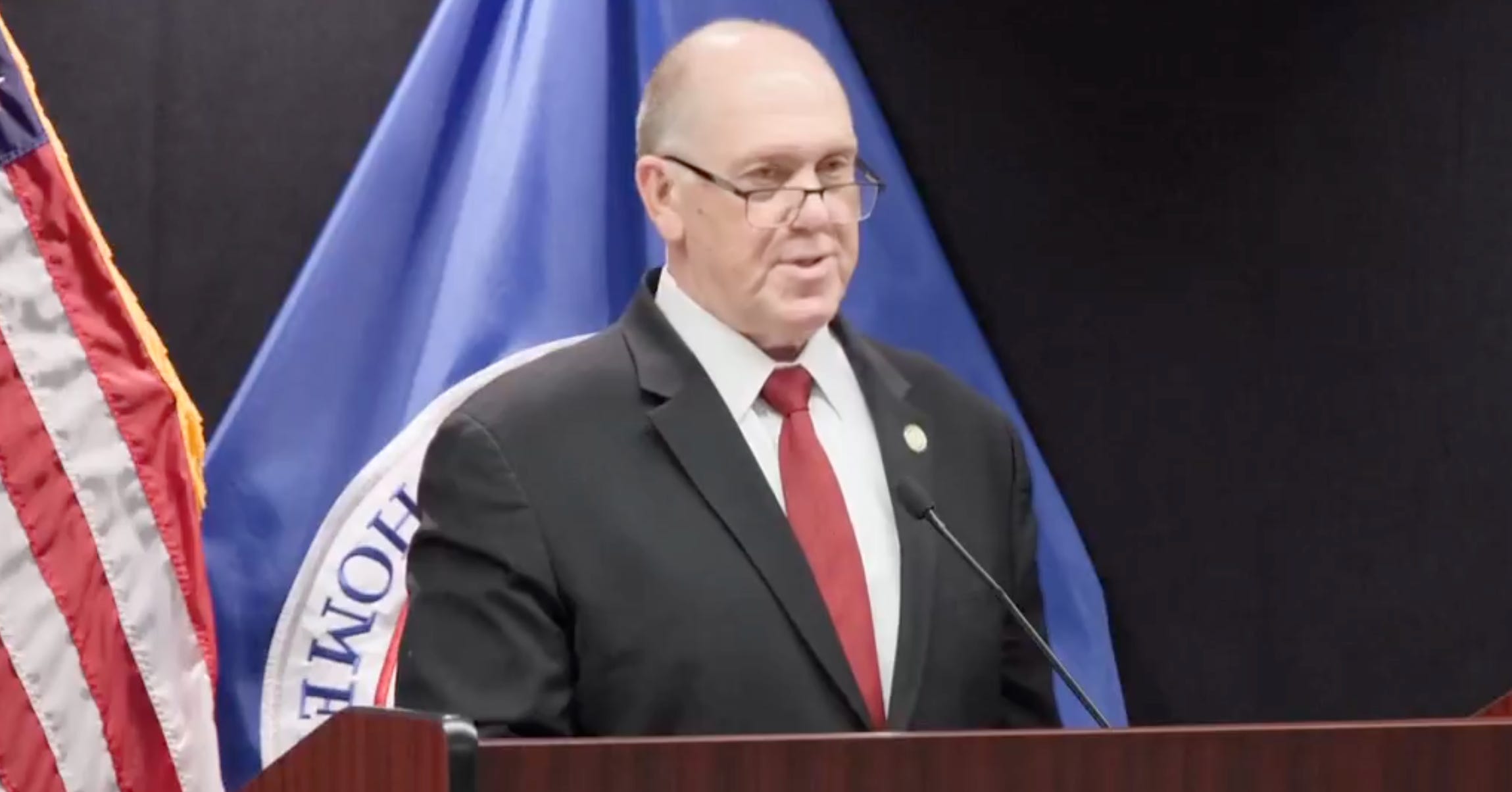
According to White House “border czar” Tom Homan, the decision to reduce the number of immigration officers reflects “unprecedented cooperation” from state and local officials while stressing that federal enforcement will continue and that Minnesota is not being abandoned. The partial drawdown is the first concrete reduction after Homan’s arrival to lead what’s been dubbed Operation Metro Surge.
Homan emphasized that further withdrawals and a “complete drawdown” will only happen if there is continued cooperation and a decrease in what he described as “violence, rhetoric and attacks” against ICE and Border Patrol.
Follow The Coffman Chronicle on NewsBreak for daily breaking political coverage.
“My goal, with the support of President Trump, is to achieve a complete drawdown … but that is largely contingent on the end of the illegal and threatening activities against ICE and its federal partners that we’re seeing in the community,” Homan said at a press briefing.
This partial reduction matters because it signals the first tangible shift in federal posture in Minnesota after widespread criticism and protests intensified public debate over immigration enforcement tactics.
Local leaders, including Minnesota Governor Tim Walz and Minneapolis Mayor Jacob Frey, are expected to respond publicly to the announcement, with continuing demands for transparency, accountability and a full end to federal immigration enforcement operations.
What happens next may hinge on whether local officials and county jails agree to further cooperation efforts that Homan says could enable more draws and changes to enforcement practices.
Follow The Coffman Chronicle on NewsBreak for daily breaking political coverage.