


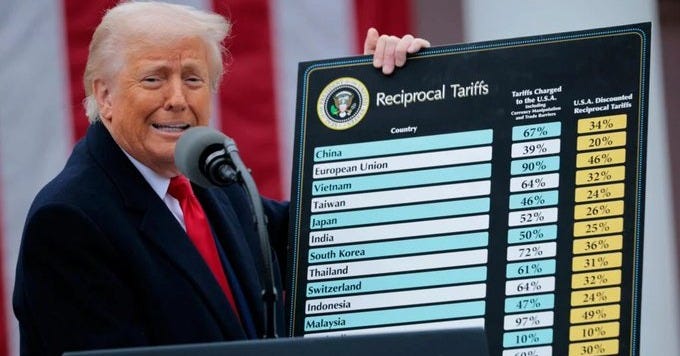
The U.S. government has begun processing up to $166 billion in tariff refunds after the Supreme Court ruled the policy unlawful, but the money is not going to most Americans.
The rollout is triggering a new wave of scrutiny over who actually bore the cost of those tariffs and who gets paid back.
According to Reuters and AP News, more than 330,000 importers who paid tariffs on roughly 53 million shipments can now file claims through a federal customs portal, with payments expected within 60 to 90 days.
But the structure of the refund system leaves out a key group.
Only businesses that directly paid the tariffs qualify, even though multiple reports, including Axios, found that companies passed much of those costs on to consumers through higher prices at checkout.
Subscribe free for daily political analysis they won’t broadcast. Join 110K+ readers →
“There is no mechanism for consumers to receive refunds,” trade experts told AP News.
That gap is now raising broader economic questions about how tariff policies affect working-class households long after they end.
While some companies like FedEx have indicated they may return funds or adjust pricing, others face no legal requirement to pass refunds along, and several are already facing lawsuits over whether they should.
The issue highlights a wider pattern where policy costs are distributed broadly, but reimbursements are narrowly targeted, leaving consumers without direct relief.
What happens next could depend on legal pressure, market competition, or political intervention aimed at forcing companies to share refunds more widely.
For now, the refunds are flowing but not to the people who felt the price increases most.
Download a FREE Pocket Constitution NOW →
