


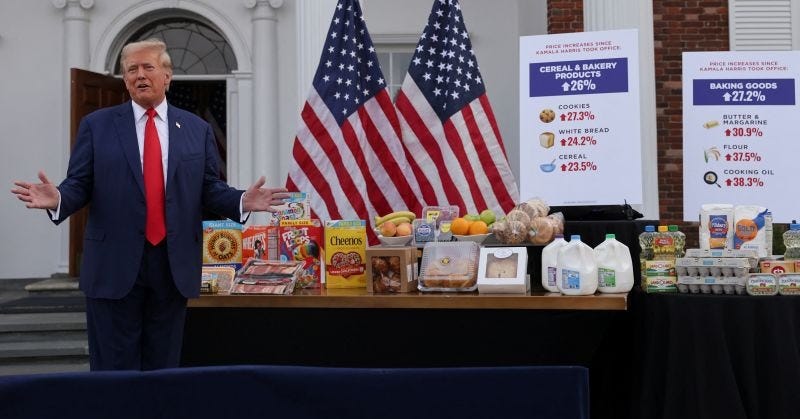
Trump’s confrontation with Iran is now feeding directly into U.S. inflation fears, with fuel costs rising fast enough that Wall Street and the Federal Reserve are both watching Friday’s CPI report more closely than usual. For working-class Americans, the issue is simple: the first hit is showing up in the weekly cost of getting to work and buying groceries.
The pressure point is energy. Reuters reported oil prices have risen more than 50% during the conflict, and the national average price of gasoline has moved above $4 a gallon for the first time in more than three years.
That is why economists surveyed by Reuters expect the March CPI report to show a 0.9% monthly rise in headline inflation, with core CPI up 0.3%. Reuters also reported the Cleveland Fed’s nowcasts now put April headline CPI at 3.71% year over year, suggesting the war’s energy shock is already flowing into the top-line inflation picture.
Subscribe free for daily political analysis they won’t broadcast. Join 115K+ readers →
The complication is that the damage may not stop at gas stations. Reuters reported the ISM prices-paid index for services jumped to 70.7, its highest since October 2022, while the U.N. food agency said global food prices rose 2.4% in March and warned they could move higher if the conflict drags on.
“Price rises since the conflict began have been modest, driven mainly by higher oil prices,” FAO Chief Economist Maximo Torero said.
Even so, modest upstream increases can still hit lower-income households hardest because fuel and food take up more of their budgets. AP reported U.S. consumer expectations fell to 70.9, a recession-warning level, even before the next inflation report is released.
There is also a policy risk. Reuters reported Trump threatened further strikes tied to the Strait of Hormuz, leaving markets exposed to another oil shock if the conflict widens or shipping stays disrupted.
What happens next is clearer than the outcome: Friday’s CPI report will show how much of the war-driven price surge has already reached American households.
Download a FREE Pocket Constitution NOW →
