


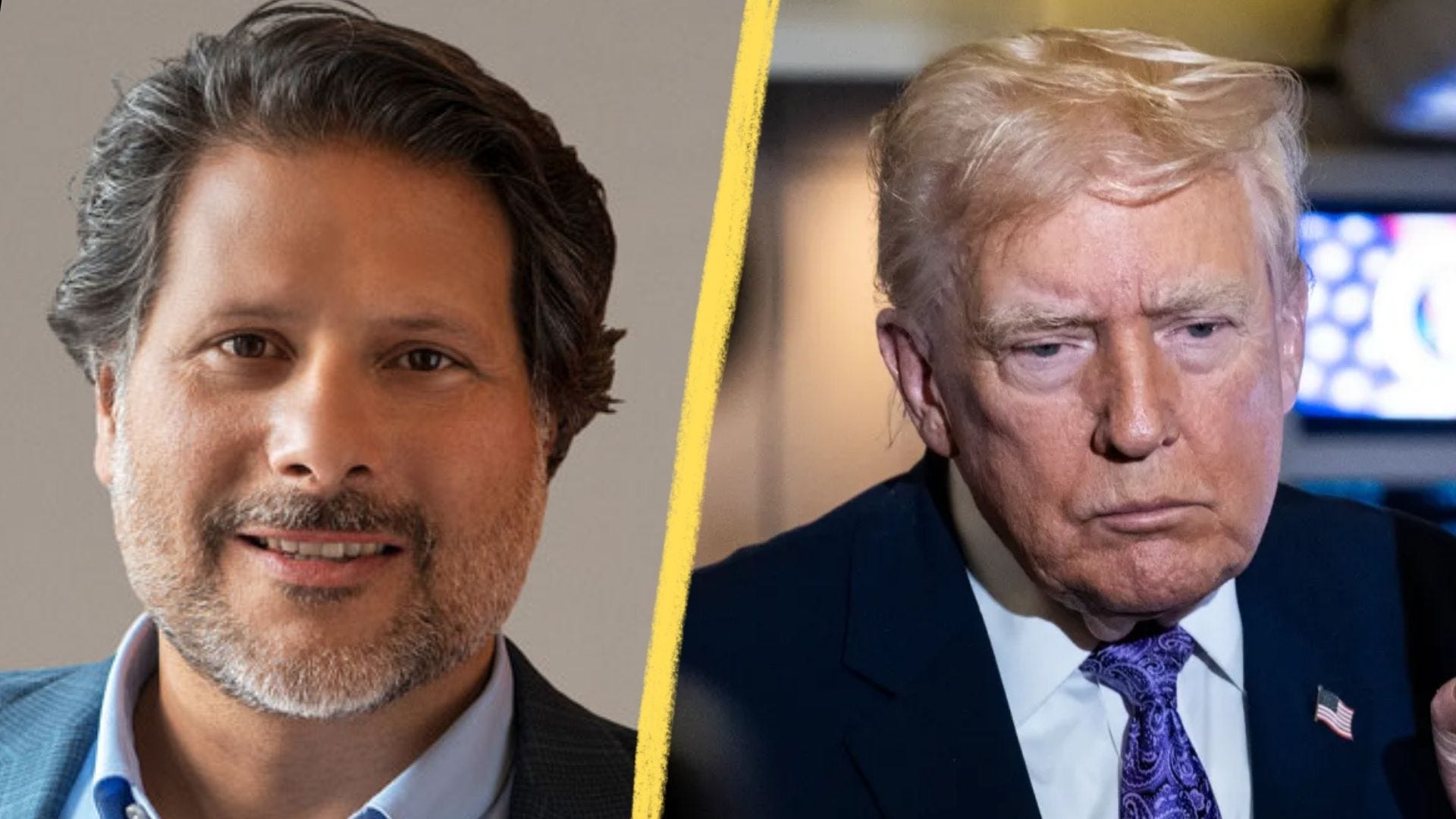
The White House is defending President Trump’s decision to commute the sentence of David Gentile — the former GPB Capital CEO convicted in a massive $1.6 billion investment fraud — but the administration’s explanation leaves out critical facts central to the case.
Follow The Coffman Chronicle on NewsBreak for daily breaking political coverage.
Press Secretary Karoline Leavitt told reporters that Gentile’s conviction stemmed from a “weaponization of justice from the previous administration,” arguing that GPB disclosed to investors in 2015 that some payouts could come from investor capital rather than business earnings. She claimed prosecutors “were unable to tie any fraudulent representation to Mr. Gentile personally” and that the case was not a “classic Ponzi scheme.”
But federal court records and prior reporting paint a far different picture.
According to the Department of Justice, Gentile and GPB Capital raised more than $1.6 billion from over 10,000 investors, many of them ordinary workers, retirees, veterans, and teachers. Prosecutors said GPB misrepresented fund performance and used new investor money to pay existing investors while promising returns tied to portfolio companies — behavior a federal jury ultimately found to be criminal fraud.
Gentile was sentenced in May to seven years in federal prison after a multi-week trial. He served just 12 days before Trump issued the commutation.
The White House’s defense also omits the ongoing civil and regulatory fallout: GPB Capital has been under SEC enforcement for years, placed into court-ordered receivership, and faces continuing lawsuits from victims seeking restitution. Co-defendant Jeffry Schneider — convicted of similar charges — remains in prison.
Trump’s decision continues a pattern of clemency for high-profile white-collar defendants, while critics argue the administration is using “weaponization” claims to justify releasing wealthy offenders whose crimes inflicted widespread financial harm.