


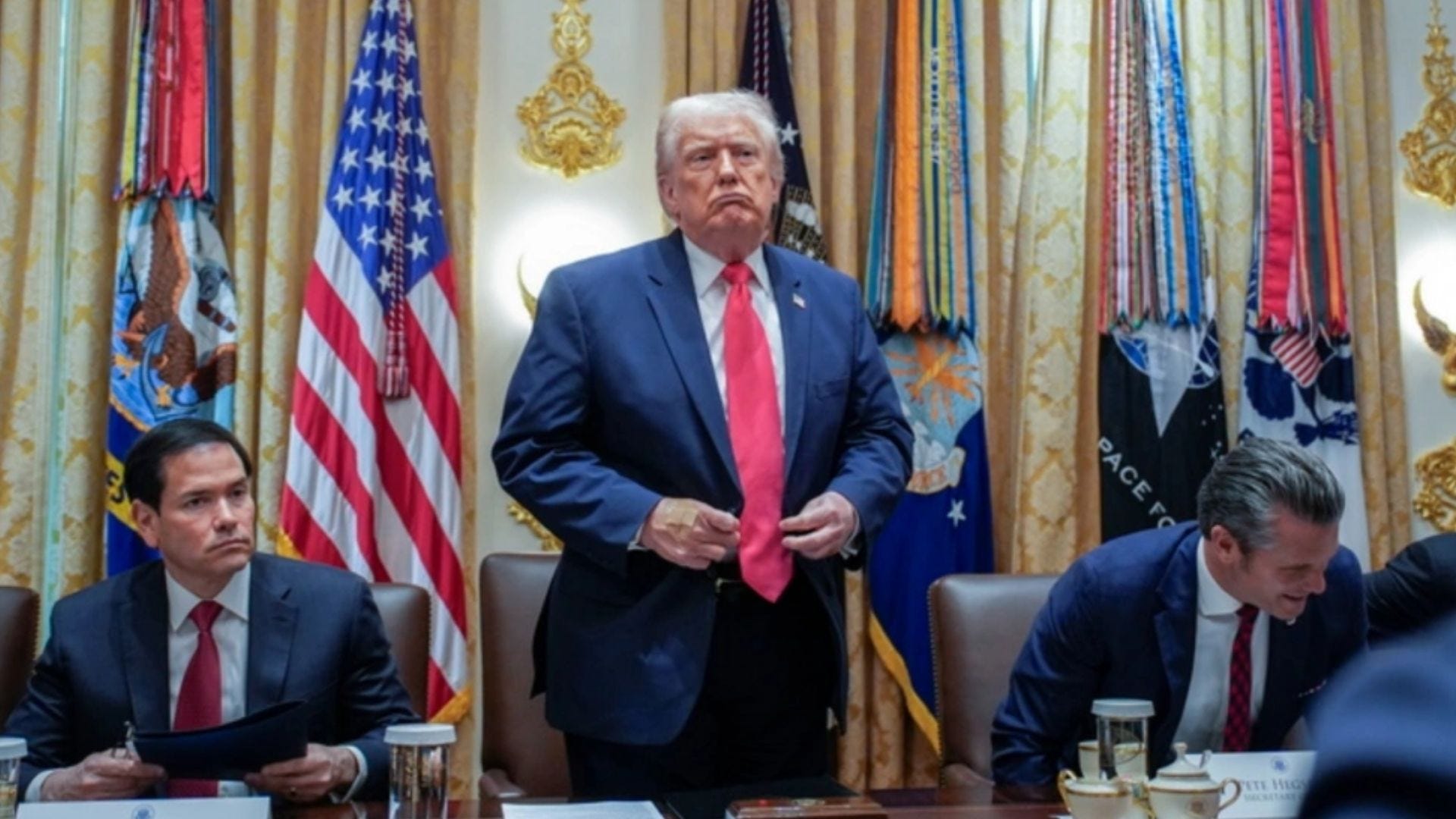
WASHINGTON — The White House has ratcheted up anti-immigrant rhetoric and enforcement in a way that critics say marks a turning point in U.S. immigration and civil-rights policy. On December 2, 2025, President Donald Trump told reporters after a Cabinet meeting that he does not want Somali immigrants in the United States, calling them “garbage” and stating, “they contribute nothing.” He made no distinction between undocumented individuals and legal residents or citizens.
Follow The Coffman Chronicle on NewsBreak for daily breaking political coverage.
At the same time, federal authorities reportedly signaled plans for a sweeping ICE enforcement operation in the Twin Cities aimed at undocumented Somali immigrants residing in Minneapolis–St. Paul — the nation’s largest Somali-American community. The operation, which could deploy dozens of agents and target individuals with final deportation orders, escalates pressure on a community that local officials say will suffer under broad enforcement.
Minnesota leaders pushed back strongly. Minneapolis Mayor Jacob Frey condemned the language as xenophobic and said local police will not cooperate with ICE efforts. He described Somali residents as economic and cultural contributors to the city, and warned that sweeping enforcement risks detaining U.S. citizens “just because they look like they are Somali.”
Analysts note this is more than a rhetorical shift: the administration’s targeting has expanded beyond undocumented migrants from Latin America to include legal immigrants and refugees from African and Muslim-majority countries. According to French media reporting, this approach dovetails with recent rhetoric advocating “remigration” — a term used by far-right groups — and reflects a broader strategy to reframe immigration policy around cultural and national-security arguments.
For decades, xenophobic attacks on non-European immigrants tended to remain on the fringes, associated with extremist or alt-right movements. But the recent statements by senior officials and new enforcement directives suggest that this rhetoric is becoming embedded in mainstream policy discourse. Somali-American and other immigrant communities fear this normalization could erode civil-liberties protections and reshape the social contract around immigration. What happens next — whether courts, civil-rights groups or state governments push back — may define the trajectory of U.S. immigration policy for years to come.