


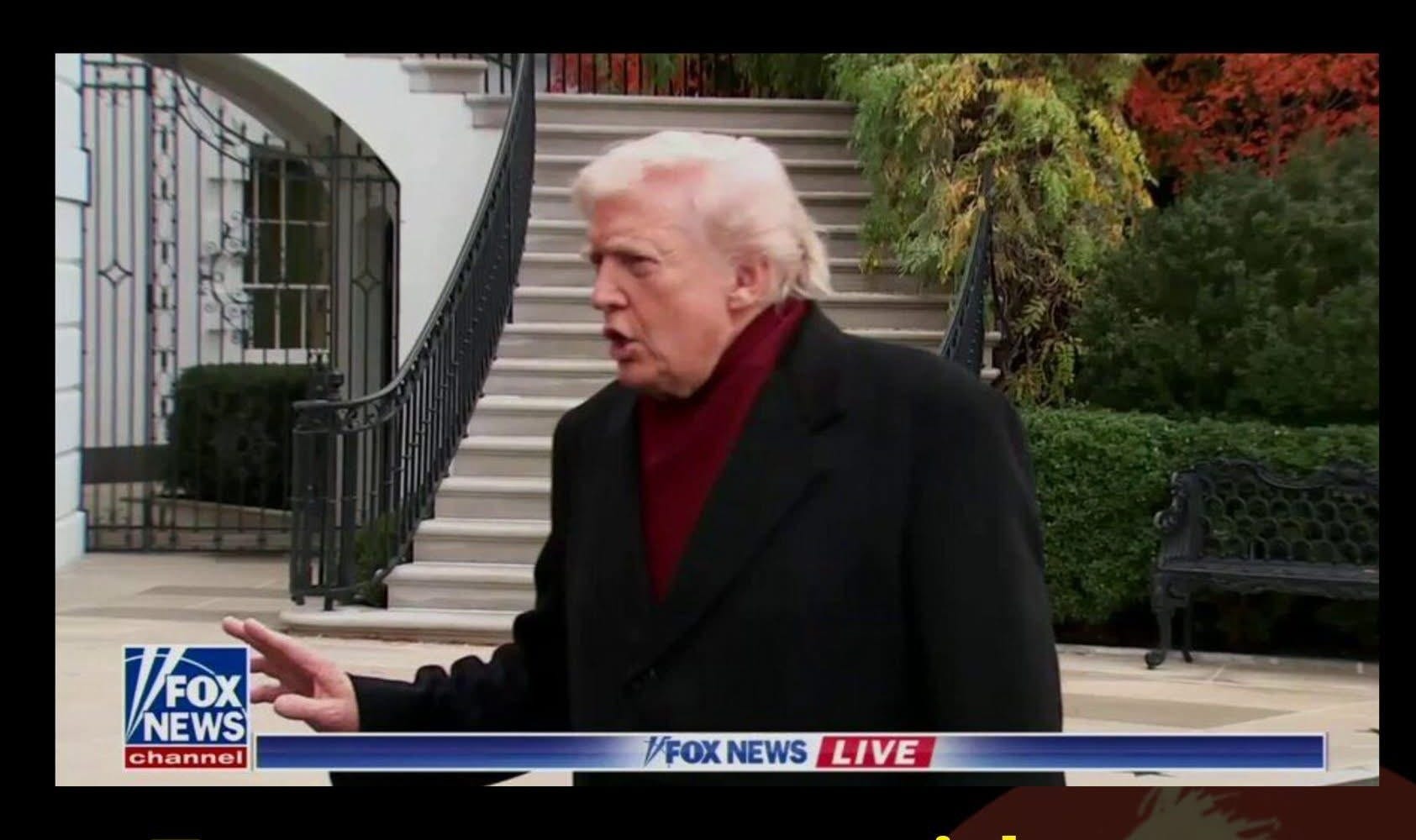
The United States has seized a large, sanctioned oil tanker off the coast of Venezuela, President Donald Trump confirmed, intensifying already high tensions in the Western Hemisphere. The move comes amid a months-long campaign Washington says targets drug trafficking and sanctions evasion.
The sudden escalation this week underscored sharp disagreements between the U.S. and its regional partners, with officials in Caracas condemning the action and a key U.S. ally in Bogotá now in Trump’s crosshairs.
According to reporting, the vessel seized was the oil tanker Skipper, sanctioned by the U.S. Treasury in 2022 for alleged illicit oil transport. The operation was carried out by U.S. law enforcement and military elements, including the Coast Guard and FBI. Venezuela’s government denounced the seizure as “blatant theft” and “international piracy.”
The situation took another turn when Trump publicly warned Colombian President Gustavo Petro that he could be “next” amid what the White House characterizes as a broader fight against drug production and trafficking. Petro’s government has previously clashed with Washington over counternarcotics cooperation.
“This isn’t just about one ship,” said an anonymous regional expert on Latin American security, “it’s about how far the U.S. is willing to push its allies and rivals alike.”
The broader U.S. campaign has included naval deployments, airstrikes on maritime targets alleged to be traffickers, and sanctions aimed at pressuring President Nicolás Maduro in Venezuela.
Analysts say the tanker seizure could chill oil and shipping markets and spur diplomatic protests, especially if Colombia perceives U.S. rhetoric as a threat to its sovereignty. What’s less clear is whether Washington will follow through on targeting Petro or deepen military posturing in the region.
In the coming days, Colombian officials are expected to issue a formal response, while Caribbean maritime activity and oil markets may react to shifting enforcement actions.