


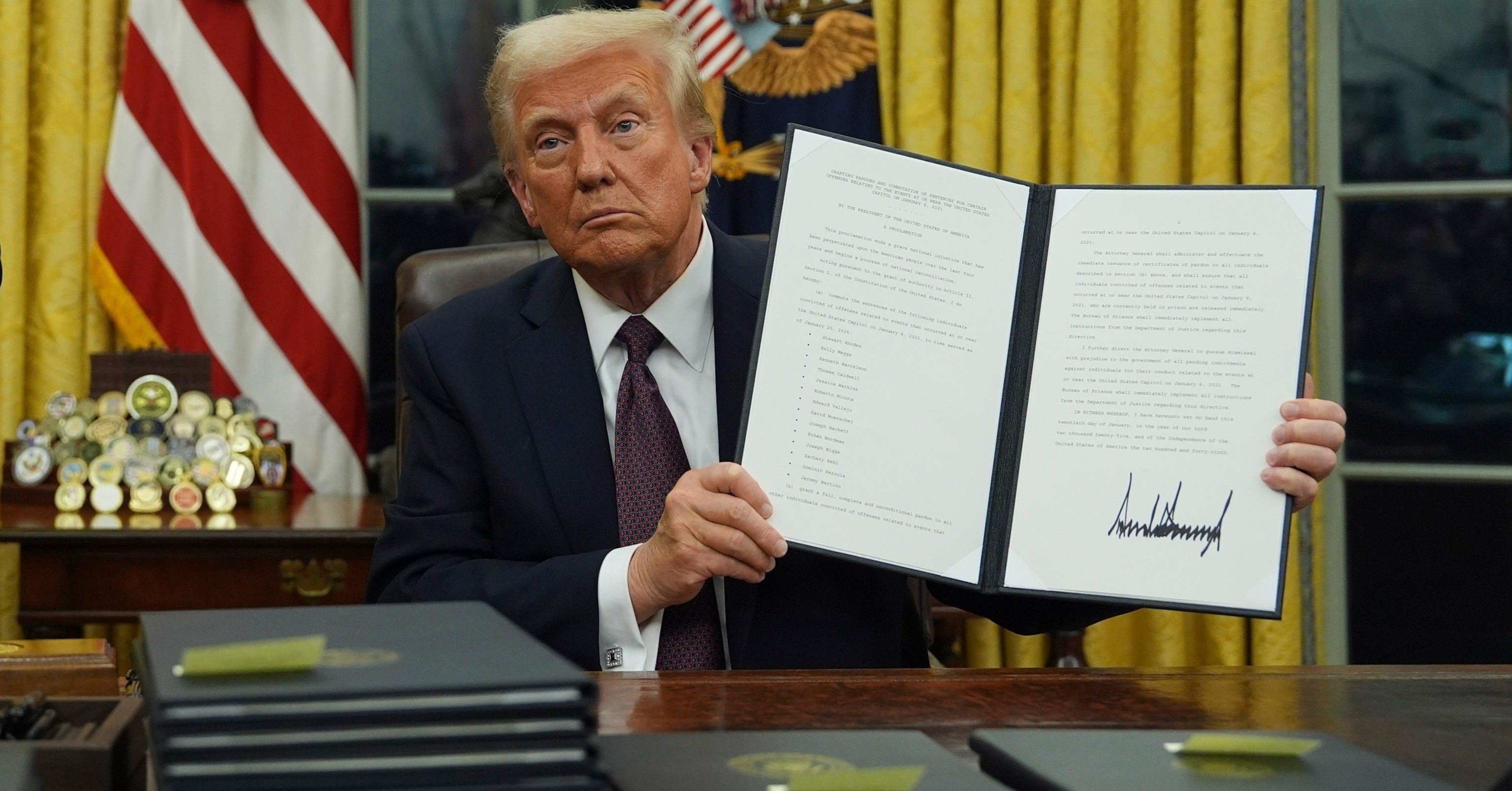
An investigation published this week by the Wall Street Journal describes how President Donald Trump’s second term has produced two distinct pathways for presidential pardons — a formal review process and a faster, informal route that relies on direct access to the president.
Under the traditional system, clemency requests are submitted through Justice Department and White House channels, where they are reviewed by lawyers and advisers before being presented to the president. Officials familiar with the process describe it as structured but slow, with recommendations discussed during periodic meetings.
In contrast, people with knowledge of the pardon process say a separate, informal track has also taken shape. In those cases, applicants or their advocates approach Trump directly at social events or private gatherings and make their case in person, often arguing that their prosecutions were politically or unfairly motivated. Sources told the Journal that such appeals can move much more quickly, though they carry greater risk and lack formal vetting.
Public records show that Trump has issued more than 1,500 pardons so far in his second term, a pace that far exceeds his first presidency. Many of the grants have gone to political allies, white-collar defendants, and figures connected to Trump’s broader political network.
Follow The Coffman Chronicle on NewsBreak for daily breaking political coverage.
Among the recent pardons is Binance founder Changpeng Zhao, who previously pleaded guilty to federal anti–money laundering violations, as well as former Honduran president Juan Orlando Hernández, who had been convicted in U.S. court on drug-trafficking charges. The latter decision has drawn attention because of Trump’s public emphasis on cracking down on international drug cartels.
People involved in clemency advocacy say the current system has fueled an industry of consultants and lobbyists who assist applicants seeking pardons. Critics argue that the emergence of informal channels undermines the integrity of the clemency process and favors those with access, wealth, or personal connections to the president.
The White House has said that all pardon decisions ultimately go through legal review and are intended to address past injustices. Supporters of the president note that the Constitution grants broad authority over pardons, while critics say the scale and process raise ethical concerns.
Debate over Trump’s use of clemency power continues as additional pardons are expected in the coming months.
Follow The Coffman Chronicle on NewsBreak for daily breaking political coverage.