


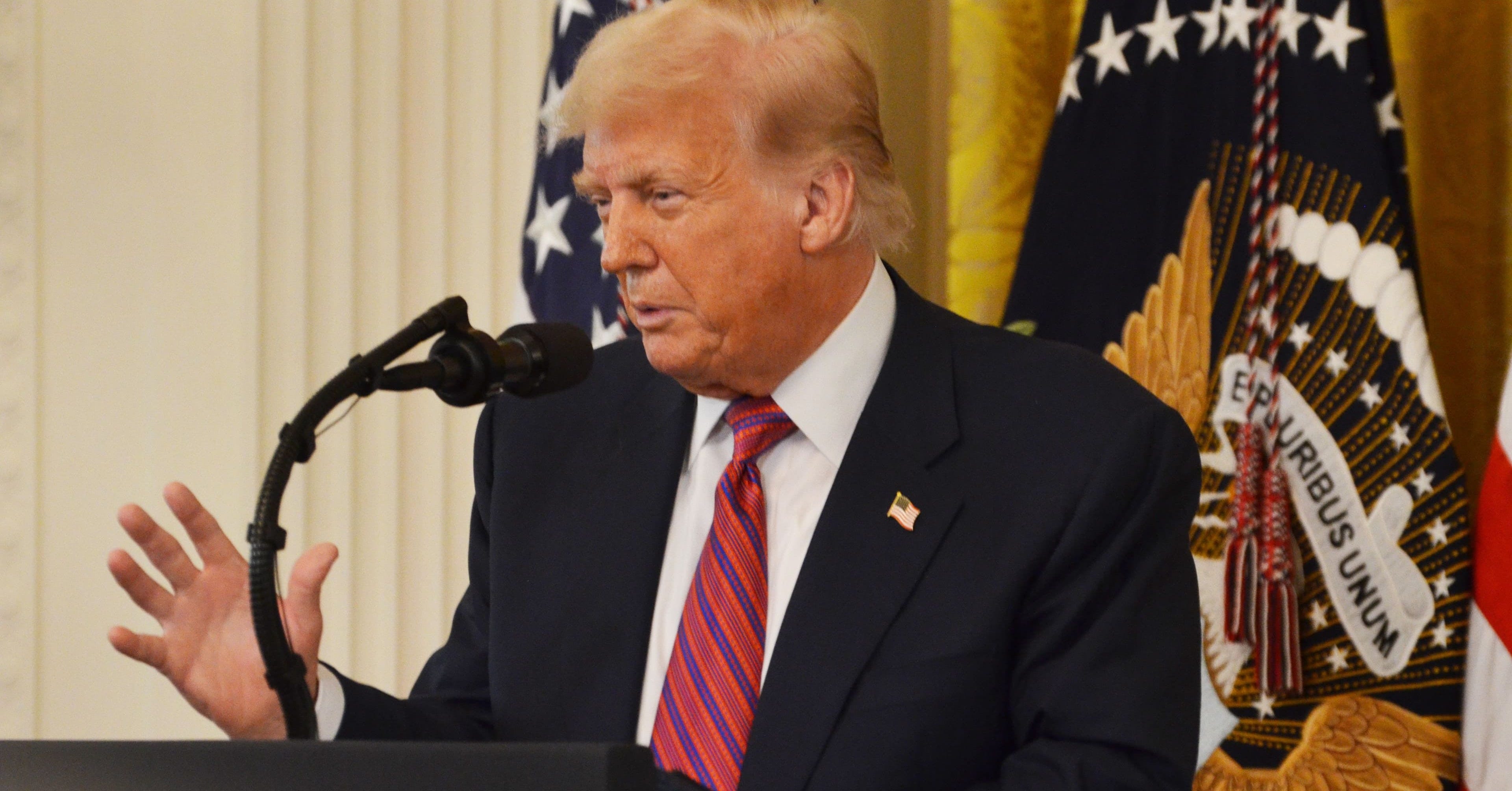
Donald Trump is reportedly directing the Federal Reserve to consider broader access for fintech companies to the central bank’s payment systems, a proposal that is quickly evolving into a wider debate over Federal Reserve independence and political influence over financial institutions.
Reuters reported that the proposal could involve expanded access to Federal Reserve payment infrastructure and Fed “master accounts,” which provide direct connectivity to core payment systems traditionally reserved for regulated banks and select financial institutions.
The issue immediately drew attention across finance, banking, crypto, and political circles online, where much of the reaction focused less on fintech policy itself and more on what the proposal could mean for the Federal Reserve’s independence from White House pressure.
Economists and market commentators noted that the Fed’s credibility has historically depended on operating independently from direct political control, particularly on monetary and operational decisions tied to the broader financial system.
At the same time, fintech and crypto advocates argued the current banking structure gives large financial institutions disproportionate control over access to payment infrastructure and settlement systems.
Subscribe free for daily political analysis they won’t broadcast. Join 110K+ readers →
That divide reflects a broader fight already underway between traditional banks and emerging financial technology firms competing for influence over digital payments, financial services, and future banking infrastructure.
Supporters of expanded access argue fintech firms could increase competition, lower transaction costs, and modernize systems critics view as overly dependent on incumbent banks.
Opponents argue broader access could increase financial-system risks if firms operating outside traditional banking regulation gain direct entry into core payment infrastructure.
The proposal’s ultimate path remains unclear. Any significant change could require Federal Reserve approval, regulatory action, or congressional involvement.
But politically, the story has already evolved into something larger than fintech policy alone, a renewed test of how insulated the Federal Reserve should remain from presidential influence.
Subscribe free for daily political analysis they won’t broadcast. Join 110K+ readers →