


The S&P 500 is slipping as oil prices rise again, with U.S.–Iran tensions driving fresh uncertainty ahead of a ceasefire deadline.
Markets had been stabilizing on hopes of a deal, but that momentum is now reversing as geopolitical risks return to the forefront.
According to the Associated Press, the S&P 500 fell about 0.4% after the U.S. seized an Iranian-linked vessel, while oil prices climbed toward $95–$97 per barrel. The Guardian reported crude jumped as much as 5% as fears grew over disruptions in the Strait of Hormuz.
That key shipping route carries a significant share of the world’s oil, making any threat to it immediately felt across global markets and energy prices.
“The market reaction shows how sensitive investors remain to supply shocks,” analysts told Reuters.
Subscribe free for daily political analysis they won’t broadcast. Join 110K+ readers →
The impact is moving beyond Wall Street.
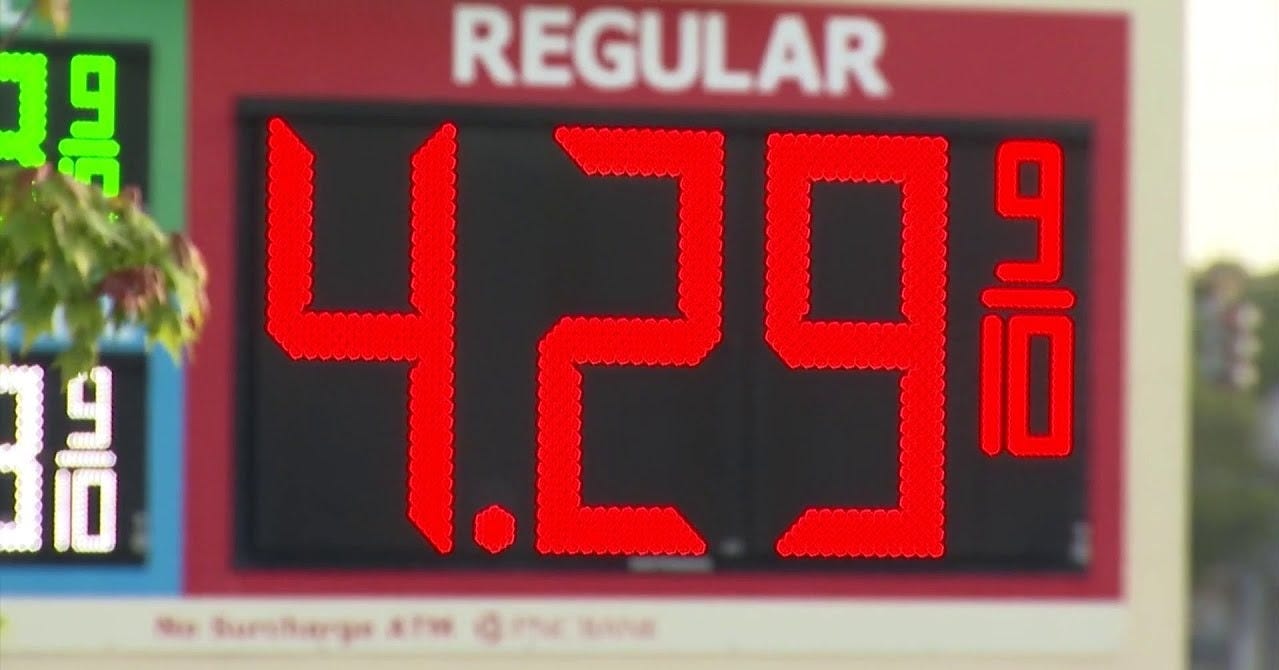
Gas prices in the U.S. are already averaging around $4 per gallon, according to the New York Post, and rising oil costs are expected to push up transportation, food, and utility expenses for American households.
That creates a broader economic risk.
Higher energy costs feed directly into inflation, which can slow consumer spending and delay potential interest rate relief, even as markets try to hold steady.
What happens next depends on the ceasefire outcome.
President Donald Trump has signaled the agreement may not be extended, leaving markets bracing for either a sudden drop in oil prices if tensions ease or another spike if conflict escalates.
For now, both Wall Street and American families are caught in the same cycle of uncertainty.
Download a FREE Pocket Constitution NOW →
