


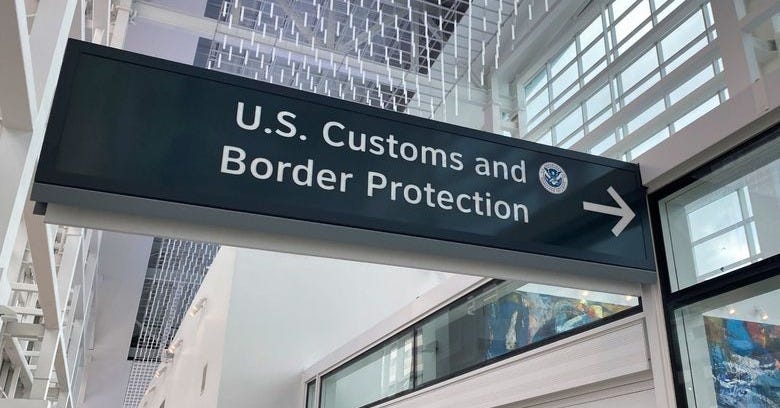
Record financial shortfalls tied to President Trump’s tariff policies are straining U.S. importers’ ability to bring goods into the country.
Data from U.S. Customs and Border Protection shared with CNBC shows that in fiscal 2025, a staggering 27,479 bond “insufficiencies” were recorded. This is where importers’ financial guarantees did not cover tariff and duty liabilities.
That number is the highest ever documented, and the total value of those insufficiencies neared $3.6 billion, roughly double the level seen in 2019, when similar tariff pressures first drove bond shortfalls. Importers are required to post surety bonds issued by insurers that guarantee payment of duties; if those bonds don’t have enough coverage, freight can’t be released.
Related: U.S. Housing Market Now Among Most Unaffordable in History Under Trump, Data Shows
The scale of the shortfalls underscores a growing mismatch between the financial assurances firms buy and the actual cost of duties imposed under current tariff schedules. Importers say they are being forced to return to surety providers repeatedly to secure additional coverage or post cash collateral before goods can move.
“Importers are facing unprecedented pressure on liquidity as tariff-linked duty obligations now routinely exceed traditional bond limits,” said an industry customs broker, speaking on condition of anonymity due to client confidentiality.
Related: NY Fed Data Shows Americans Foot 90% of Trump’s Tariff Bill, Contrary to Claims
The consequences extend beyond paperwork: companies may face delays in receiving inventory, higher financing costs and disrupted supply chains if bonds must be recalibrated repeatedly.
Traders and logistics firms are now adjusting risk models to factor in larger surety requirements, and some smaller importers may need to rethink their tariff exposure strategies.
Analysts say this trend could persist as long as elevated tariff rates remain in effect and bond rates struggle to keep pace.
Related: USDA Reports U.S. Cattle Herd Hits 70-Year Low as Beef Prices Jump 15% in Stores