


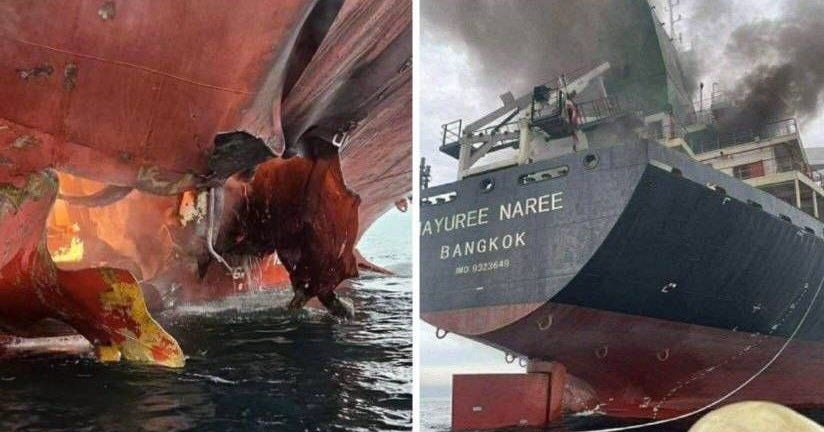
A global energy choke point is now at the center of the escalating war between Iran, Israel, and the United States.
Iran’s newly installed supreme leader, Mojtaba Khamenei, warned that pressure on the Strait of Hormuz will continue as the conflict deepens, raising fears of a prolonged disruption to global oil supplies.
The threat came as Israeli Prime Minister Benjamin Netanyahu held his first press conference since the war began, warning that Iran’s leadership itself could become a target as Israeli and U.S. strikes continue.
According to Reuters and AP reporting, Iran has already launched missile and drone attacks across the Persian Gulf and issued warnings restricting ship passage through the strait, a corridor that normally carries roughly one-fifth of the world’s oil supply.
Yet the situation remains murky.
Iran’s ambassador to the United Nations said Tehran does not plan to permanently close the waterway, creating uncertainty about whether the blockade is a long-term strategy or a temporary wartime threat.
Subscribe free for daily political analysis they won’t broadcast. Join 115K+ readers →
“We know exactly how to reach those responsible,” Netanyahu said when asked about Iran’s leadership.
The disruption is already rippling through global markets.
Energy analysts say the conflict has removed millions of barrels of oil per day from global supply chains, pushing Brent crude above $100 and trapping dozens of tankers in the Persian Gulf as shipping companies suspend routes.
The military conflict itself continues to widen.
Iran has struck targets across the Gulf, while U.S. and Israeli forces have hit thousands of Iranian military and infrastructure sites since the war began.
Subscribe free for daily political analysis they won’t broadcast. Join 115K+ readers →
President Donald Trump added to the tension with a social media message warning Iran to “watch what happens,” claiming its military capabilities were being destroyed.
The next phase may depend on control of the strait.
If the shipping corridor remains restricted, economists warn the war could trigger the largest energy shock in decades.
For now, naval forces from multiple countries are moving into the Gulf as the world watches the narrow passage that keeps global oil flowing.
Subscribe free for daily political analysis they won’t broadcast. Join 115K+ readers →