


Oil prices are swinging sharply as U.S. policy toward Iran shifts rapidly, creating opportunities in financial markets while keeping fuel costs elevated for consumers.
The tension is being driven by rapid reversals. Prices surged above $110 per barrel after President Donald Trump warned of further military escalation, then dropped below $95 following a temporary ceasefire announcement.
At the same time, U.S. crude inventories rose for a seventh straight week, climbing by 3.1 million barrels to 464.7 million, according to the Energy Information Administration. Gasoline and diesel supplies declined.
That combination is creating instability. The Strait of Hormuz disruption has impacted roughly 20% of global oil flows, while shifting policy signals continue to move markets within hours.
Subscribe free for daily political analysis they won’t broadcast. Join 110K+ readers →
“Prices at the pump won’t fall immediately despite the drop in crude,” analysts told Business Insider.
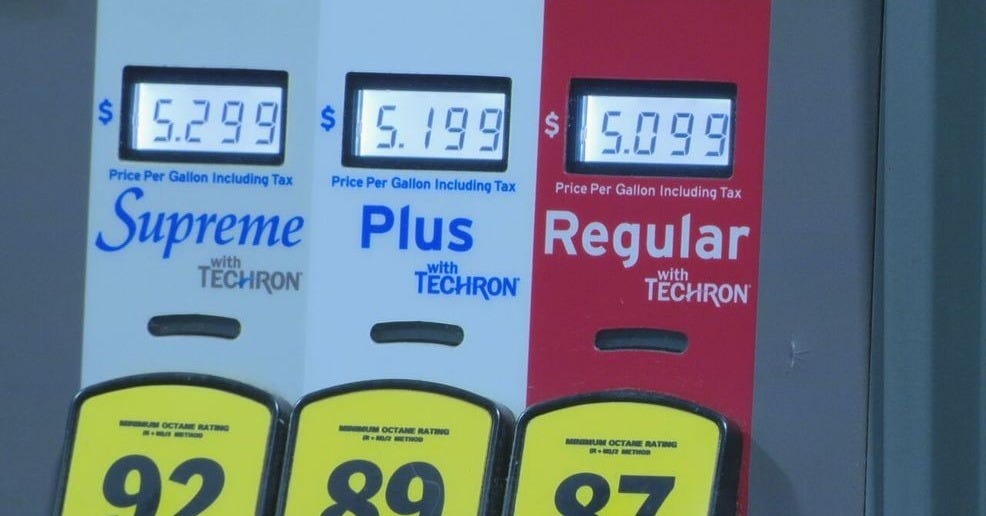
The gap between falling oil prices and high gasoline costs is widening. U.S. gas prices remain above $4 per gallon, even after crude pulled back, reflecting delayed supply chains and earlier purchasing at higher prices.
Meanwhile, financial markets are reacting instantly. Stocks surged more than 1,000 points on ceasefire news, while energy prices dropped, highlighting how quickly capital moves during geopolitical shifts.
The next phase depends on whether the ceasefire holds and whether shipping through the Strait fully resumes, both of which will determine if prices stabilize or swing again.
For now, volatility remains the dominant force.
Download a FREE Pocket Constitution NOW →
