


In an unprecedented landscape of political drama and legal entanglements, we find ourselves grappling with a burgeoning reality: Donald Trump, a former president, failed businessman, and— as of January 20th—our 47th Commander in Chief, appears to be navigating a path that, so far, leads to an absence of accountability for his actions. This trajectory raises alarming questions about the integrity of our justice system, the vulnerability of democratic institutions, and what a second Trump presidency signifies for America.
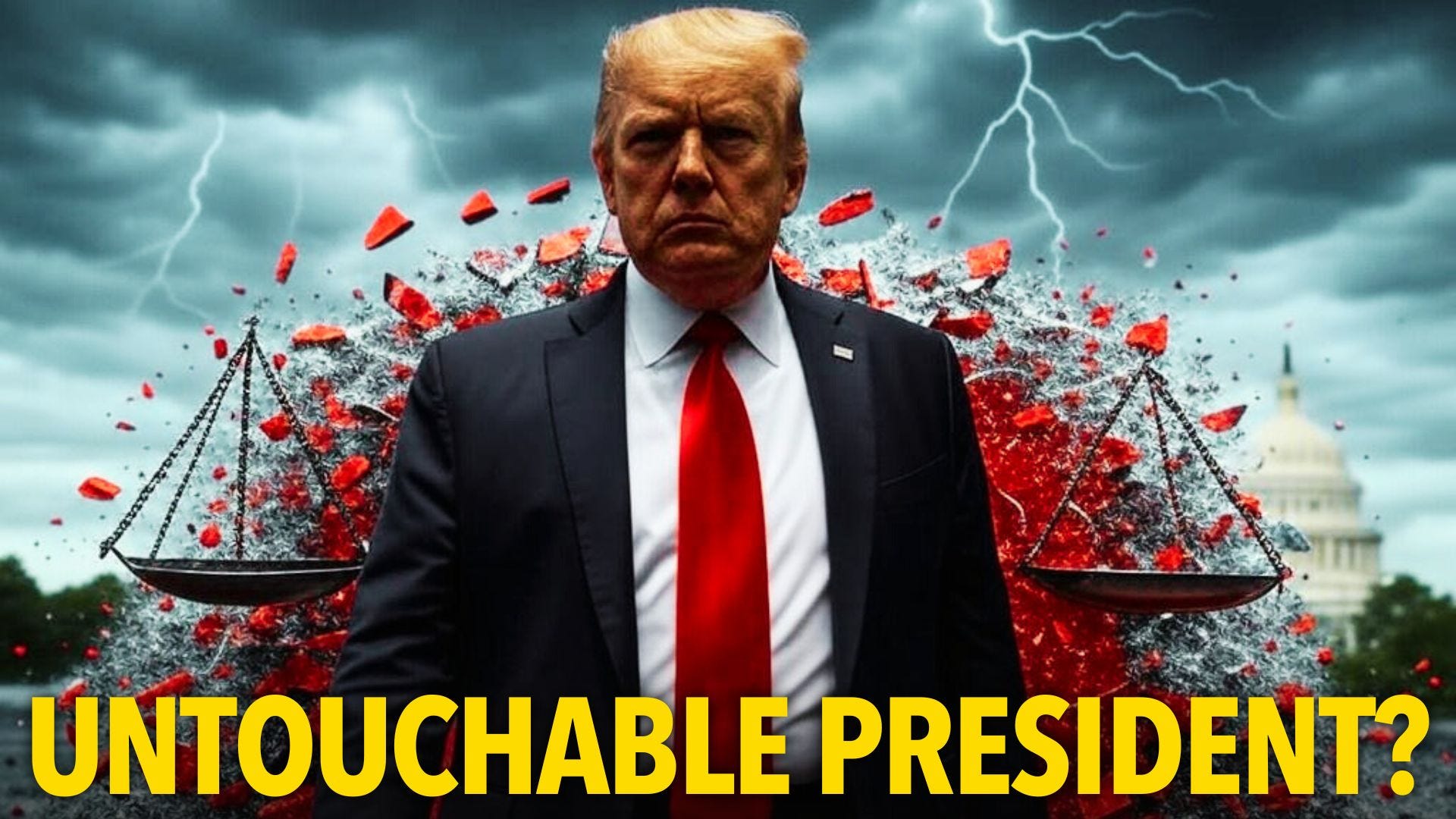
Recent judicial decisions—such as a sentencing judge's ruling that absolves Trump of jail time, fines, or other repercussions—illustrate a disturbing pattern: a legal framework seemingly accommodating to a figure who has been marred by serious accusations, including those stemming from a recent civil trial in which Trump was adjudicated as liable for sexual battery and defamation against journalist E. Jean Carroll. This ruling, alongside other ongoing criminal cases—including charges related to mishandling classified documents, election interference, and conspiracy—sets a troubling precedent. The lack of strict consequences not only normalizes his past behavior but also invites an erosion of ethical standards within our political and legal systems.
At first glance, Trump's capacity to elude punishment may seem unique, a mere reflection of his celebrity status. However, this phenomenon is indicative of a broader malaise permeating the core of American democracy. It signals the troubling reality that powerful figures can manipulate, evade, or outright disregard the laws that govern us all. This sense of impunity, once reserved for the political fringe, is now a malignant strain taking root in the heart of national discourse.
America has long prided itself on being a nation governed by the rule of law, asserting that no individual is above accountability. Yet, as we witness the unfolding drama surrounding Trump—intertwined with partisan loyalties and systemic biases—it's paramount to recognize the implications of this situation on our collective future. What are the lessons we ought to draw from the apparent immunity enjoyed by Trump?
Firstly, the absence of consequences for past actions suggests that future infractions may be met with equal leniency. When Trump ascends to the presidency again, we should anticipate an environment wherein laws are malleable and executive authority is wielded without fear of repercussions. Trump’s history of bending—or breaking—rules, highlighted by his recent rulings against him, raises the question of whether a second term would prioritize personal ambition over democratic accountability, leading to a systemic erasure of checks and balances that have long been deemed essential to our governance. The Supreme Court has already laid out the framework to ensure he will enjoy absolute Presidential immunity. The limits seem not to exist.
The troubling nature of this reality extends beyond Trump himself; it speaks to a party and a base that have largely coalesced around him, enabling and emboldening a narrative that prioritizes loyalty and ideological conformity over constitutional integrity. We must ponder: what is the state of a nation that permits its leaders to operate within a separate realm of justice? The threats posed by this dynamic are profound, as they seed division, amplify distrust in institutions, and paint a dismal picture for the impartial administration of justice.
Moreover, the implications of a Trump presidency extend into the realm of public policy. A leader unburdened by legal constraints may pursue agendas that prioritize personal gain or political favor, potentially eroding democratic norms in their wake. Issues such as civil rights, international relations, and economic policy could all be reshaped by the whims of an administration that disregards the ramifications of its actions for the broader society. Trump is well known for his transactional nature and his willingness to punish those that betray him or violate his image of his own infallibility.
What, then, is the takeaway for the American public? It is imperative that we engage in a robust conversation about accountability and the principles that undergird our democracy. Citizens must remain vigilant, aware that the unresolved issues surrounding Trump’s previous tenure and potential initiatives pose existential threats to the pillars of justice and equity.
In examining the implications of Trump's unshackled existence from accountability, we are left with a pressing cautionary tale. A second Trump presidency could very well embody the normalization of behavior that defies the very foundations of the republic. It inspires a crucial reminder that complacency in the face of violations of civic duty and ethical conduct is not merely an individual failure; it is a collective one. If history teaches us anything, it is this: the path to an undemocratic future is paved with the stones of silence and acquiescence.
Thus, as we navigate these complex waters, we must ask ourselves: what kind of nation do we wish to be? The answer, now more than ever, hinges on our ability to advocate for justice and insist upon accountability, demanding that our leaders adhere to the ideals that define us as a society. If we choose inaction, we may soon find ourselves living not just with the specter of Trump's past, including his adjudication as a rapist, but also with the disheartening specter of his future—and ours.
I don’t feel as if we are at the door our country’s demise but that we are actively walking through that door. The stairs on the other side lead only one way and that’s down.
It’s well known that serial rapists and murders start small and after a time of not getting caught, escalate to raping and killing.
We all know trump and his buds are gonna escalate.