

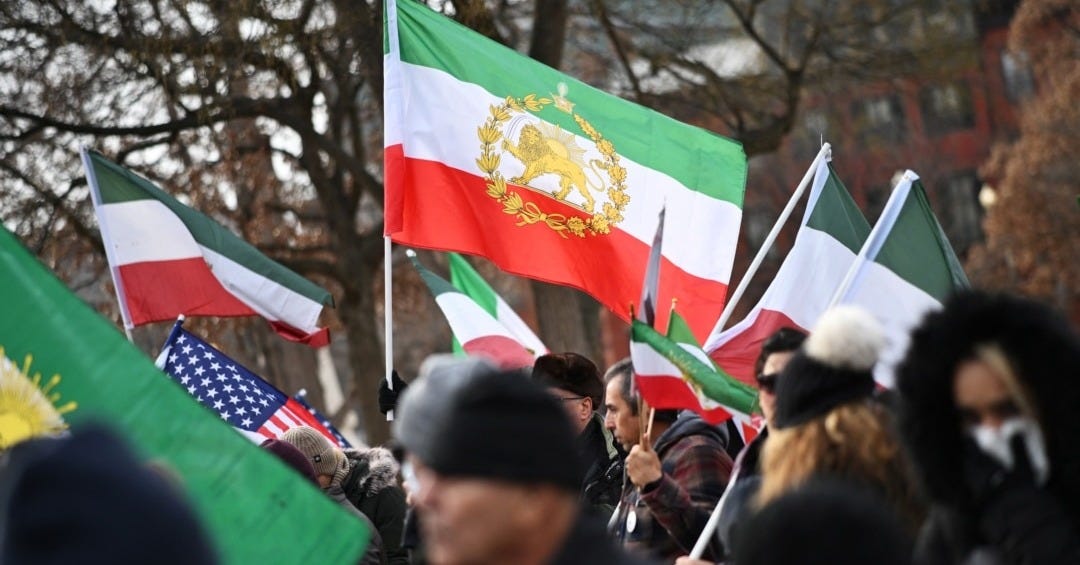
Iran’s mass protests and escalating threats between Tehran and Washington have reached a critical flashpoint, according to a Council on Foreign Relations expert brief that matters for U.S. foreign policy now.
Demonstrations that began in late December over deepening economic hardship have snowballed into broad anti-government unrest, raising tensions with external powers and increasing the stakes for Iran’s clerical leadership.
The CFR analysis by Ray Takeyh confirms that the Islamic Republic has long faced periodic protests but notes the current wave hits at a vulnerable moment for the regime, with inflation, currency collapse, and public dissatisfaction converging.
Complicating the domestic crisis, President Donald Trump has publicly warned Iran not to kill peaceful protesters, suggesting potential U.S. action if Tehran escalates violence.
Follow The Coffman Chronicle on NewsBreak for daily breaking political coverage.
“It’s still an internal Iran situation, but American rhetoric is likely to energize both sides,” Takeyh said in the analysis.
That matters because Tehran’s leadership is already moving to suppress dissent, including nationwide internet and phone blackouts, a tactic seen as precursory to violent crackdowns and aimed at choking off information.
Political instability inside Iran combined with external threats could weaken the regime’s legitimacy, deepen economic isolation, and increase the risk of violent confrontation.
How Tehran responds, whether through negotiated accommodation or intensified force will shape the future of Iran’s political landscape and U.S.–Iran tensions.
International observers expect continued protests and diplomatic maneuvering in the coming weeks.
Follow The Coffman Chronicle on NewsBreak for daily breaking political coverage.