


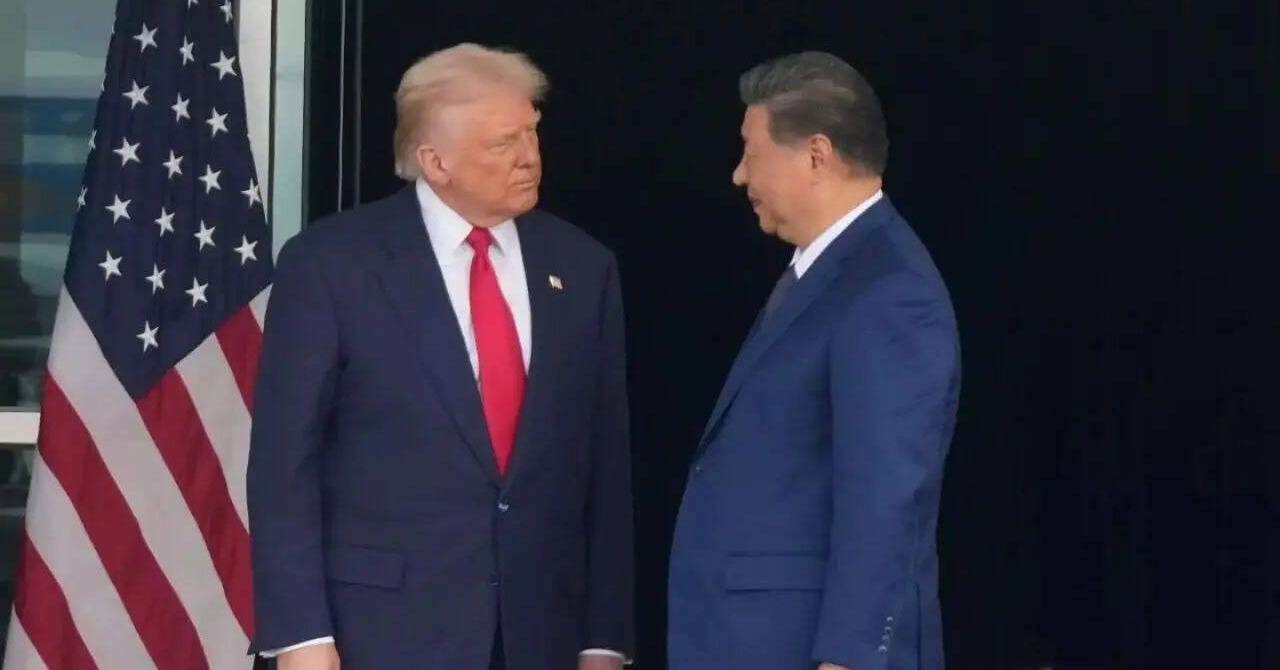
President Donald Trump’s meeting with Chinese President Xi Jinping in Beijing is shaping up to be more than a trade summit, as tensions tied to Iran threaten to add new geopolitical pressure to already fragile U.S.-China relations.
While trade and tariffs are expected to remain central issues, the broader international climate has shifted rapidly amid concerns about conflict escalation in the Middle East. China has longstanding economic and energy ties with Iran and has often opposed aggressive U.S. sanctions strategies targeting Tehran.
That puts Beijing in a delicate position as it balances regional stability, energy security, and its economic relationship with Washington.
The summit also arrives at a sensitive moment for global markets. Any widening conflict involving Iran could affect oil prices, shipping routes, and supply chains that remain vulnerable after years of trade disputes and geopolitical instability.
Subscribe free for daily political analysis they won’t broadcast. Join 110K+ readers →
For the Trump administration, the talks are viewed as an opportunity to reduce friction with China on economic issues while maintaining pressure on national security concerns tied to Taiwan, technology competition, and strategic influence in Asia.
China, meanwhile, is expected to push for predictable trade relations and resist policies it sees as containment efforts by the United States.
The outcome of the meeting could influence not only tariff negotiations but also broader diplomatic coordination between the world’s two largest economies at a time of growing global instability.
Subscribe free for daily political analysis they won’t broadcast. Join 110K+ readers →