


Next week, President Donald Trump is expected to sign a new executive order to lower prescription drug prices for Medicare recipients. The order, which revives the so-called “Most Favored Nation” model, would peg the cost of certain medications to what other wealthy nations pay. Administration officials are calling it bold. They say it delivers on Trump’s promise to fight Big Pharma and lower prices for American seniors.
And that would be the end of the article, except we’ve been here before.
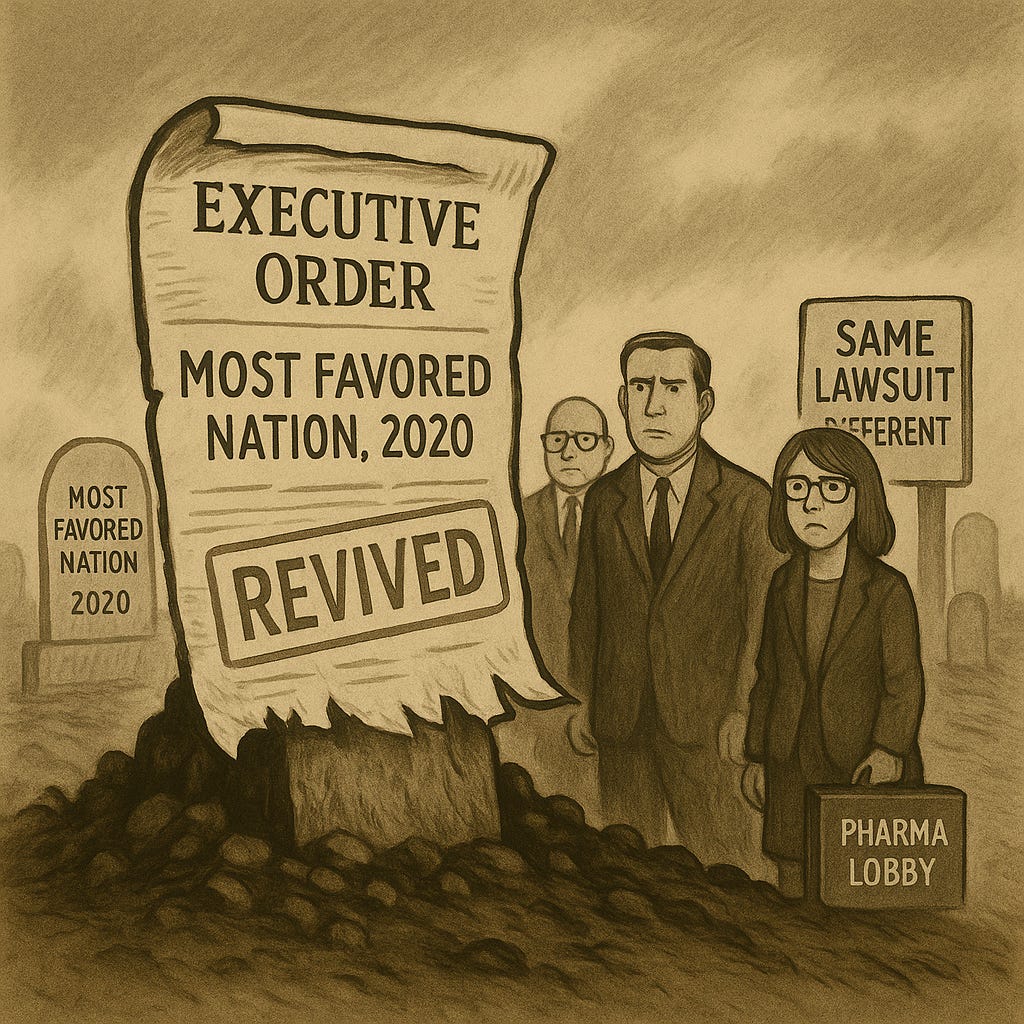
This isn’t new. It isn’t bold. It’s a rehash of a policy that already failed—legally, politically, and practically. The courts struck it down. The industry shredded it. The Biden administration chose a different path, one grounded in law and gradual implementation. But Trump isn’t here to build on that. He’s here to stage a comeback. And that means doing what he always does: discarding the process, reviving a bad idea, and declaring victory before the ink is dry.
Coffman Chronicles
We just hit 13,000 subscribers—thank you! To celebrate, we’re offering full access to The Coffman Chronicle at 50% off.
Get exclusive analysis and fearless reporting you won’t find in corporate media.
Support truth. Stay informed.
Meanwhile, in the realm of actual governance…
While Trump is busy reviving a failed executive order and pretending it was fresh out of the idea oven, the Biden administration had already rolled out a drug pricing plan that, while less flashy, was actually working.
The Inflation Reduction Act of 2022 gave Medicare something it had never had before: real power to negotiate drug prices.
It wasn’t instant. It wasn’t perfect. But it was real:
The first 10 high-cost drugs were selected for negotiation in 2023.
Negotiated prices are set to take effect in 2026.
Additional drugs will be added in 2027, 2028, and beyond.
A $2,000 cap on out-of-pocket costs for seniors kicks in next year.
Price hikes above inflation trigger penalties under Medicare.
Pharma hated it. They sued. They lost—so far. However, unlike Trump’s MFN model, Biden’s plan survived legal scrutiny because it followed the law, went through proper channels, and involved the agencies that would actually have to implement it.
Trump could have built on it. Instead, he scrapped Biden’s executive support, issued his own hollow one, and wants credit for “fighting Big Pharma” with the same broken sword that already snapped in his hand.
So what are the agencies supposed to do, exactly?
Like his last executive order, Trump’s new one directs HHS and CMS to explore solutions to reduce drug costs. Yet, the moment he took office, he shredded Biden’s executive order that asked them to do almost the exact same thing.
That Biden-era EO didn’t get headlines, but it did give agencies the tools and direction to pursue reforms: a $2 generic model, multi-payer cost pilots, and coordination built on the IRA’s legal foundation.
Trump scrapped that. And now, months later, he’s asking the same agencies—now understaffed, underfunded, and politically sidelined—to find a solution again.
It’s like firing the fire department, burning the building, and then yelling at the empty station to put out the blaze.
Meanwhile, the agencies being told to solve this crisis are being dismantled in real time.
We’ve reported at length on the Department of Government Efficiency (DOGE) and its campaign to slash staff, erase expertise, and replace experienced civil servants with political loyalists. HHS, CMS, and the Innovation Center have all been kneecapped.
If by chance you’ve avoid the DOGE reporting, you can catch up here:
Note: This article is more than 45 days old and now lives in our archive. Consider becoming a paid subscriber for the full 500+ article archive, exclusive content, and occasional early access.


And the leadership now running these agencies? Trump’s appointees are, in many cases, underqualified, ideologically extreme, or both—a cast of political operatives better suited to executing a grudge than a national policy overhaul.
We’ve reported on that leadership team here:
This article is more than 45 days old. Considering becoming a paid subscriber for full access to the archive.


Trump’s proposed 2026 budget slashes Medicare’s administrative funding and zeroes out pilot programs that could reduce costs. And to top it all off? He’s imposing tariffs on pharmaceutical imports, which drug companies say will drive prices higher.
So to recap:
He’s telling gutted agencies to fix a problem,
While cutting their funding and nuking their prior work,
While raising prices through tariffs,
While putting yes-men in charge.
It’s not governance. It’s a set piece.
So why now?
Because Trump needs a win or at least the illusion of one.
His approval ratings are down. DOGE is wildly unpopular, especially among seniors and veterans. His budget threatens Medicare, and the voters who use it are noticing.
Polling shows deepening anxiety among older Americans already experiencing longer wait times and rising costs. Trump’s team knows it’s a liability.
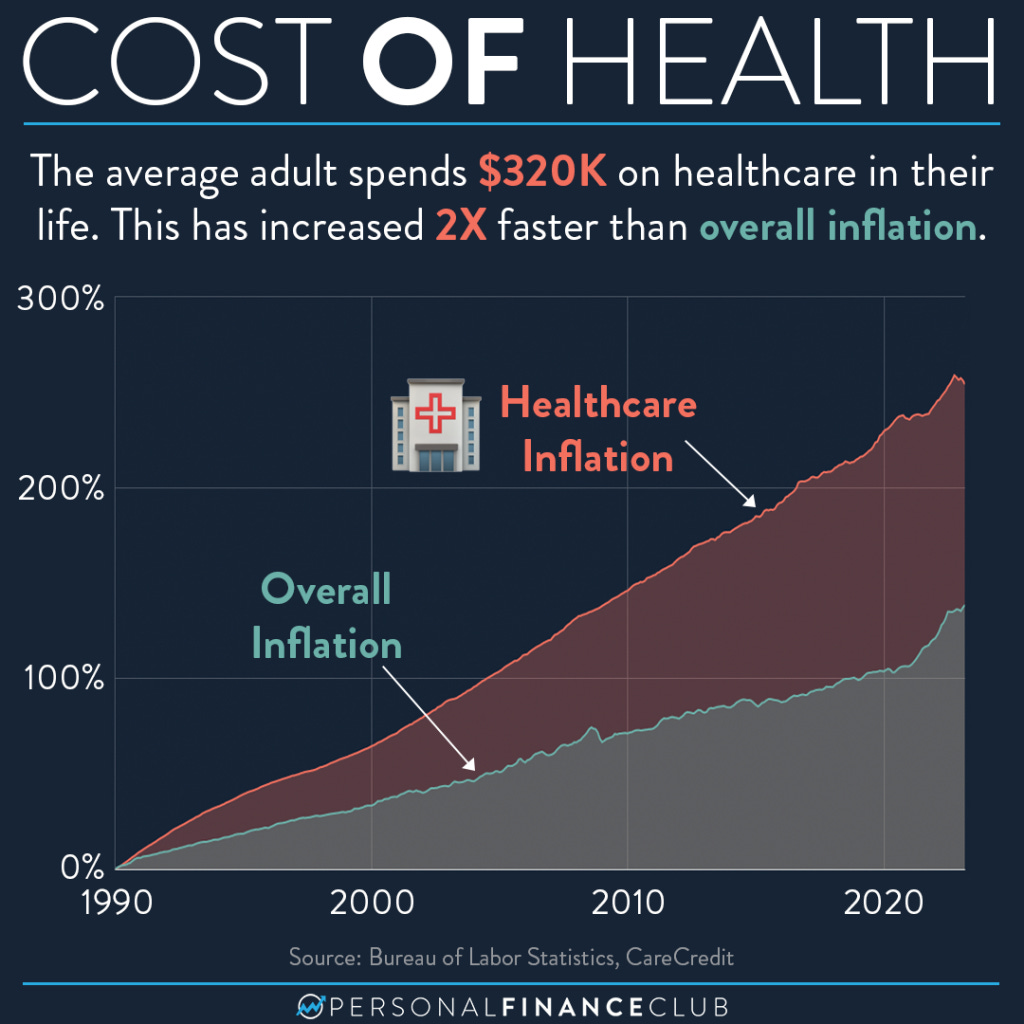
But instead of fixing it—by building on the IRA, by actually governing—he went back to what he knows: announce, perform, declare victory.
If it fails again, it won’t be his fault. It’ll be Biden’s. Or Pharma’s. Or the deep state.
The substance doesn’t matter. The show of force does.
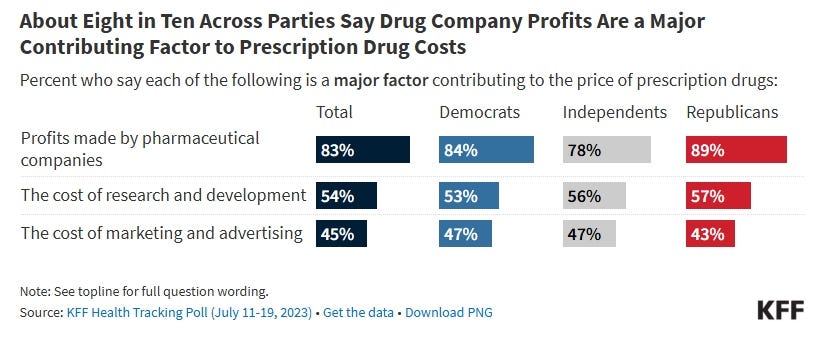
The rage isn't new. It's just finally boiling over.
For years, Americans have been told help is coming, that the market will fix it, and that Congress just needs more time. Meanwhile, the prices rise, the bills pile up, and the solutions never arrive.
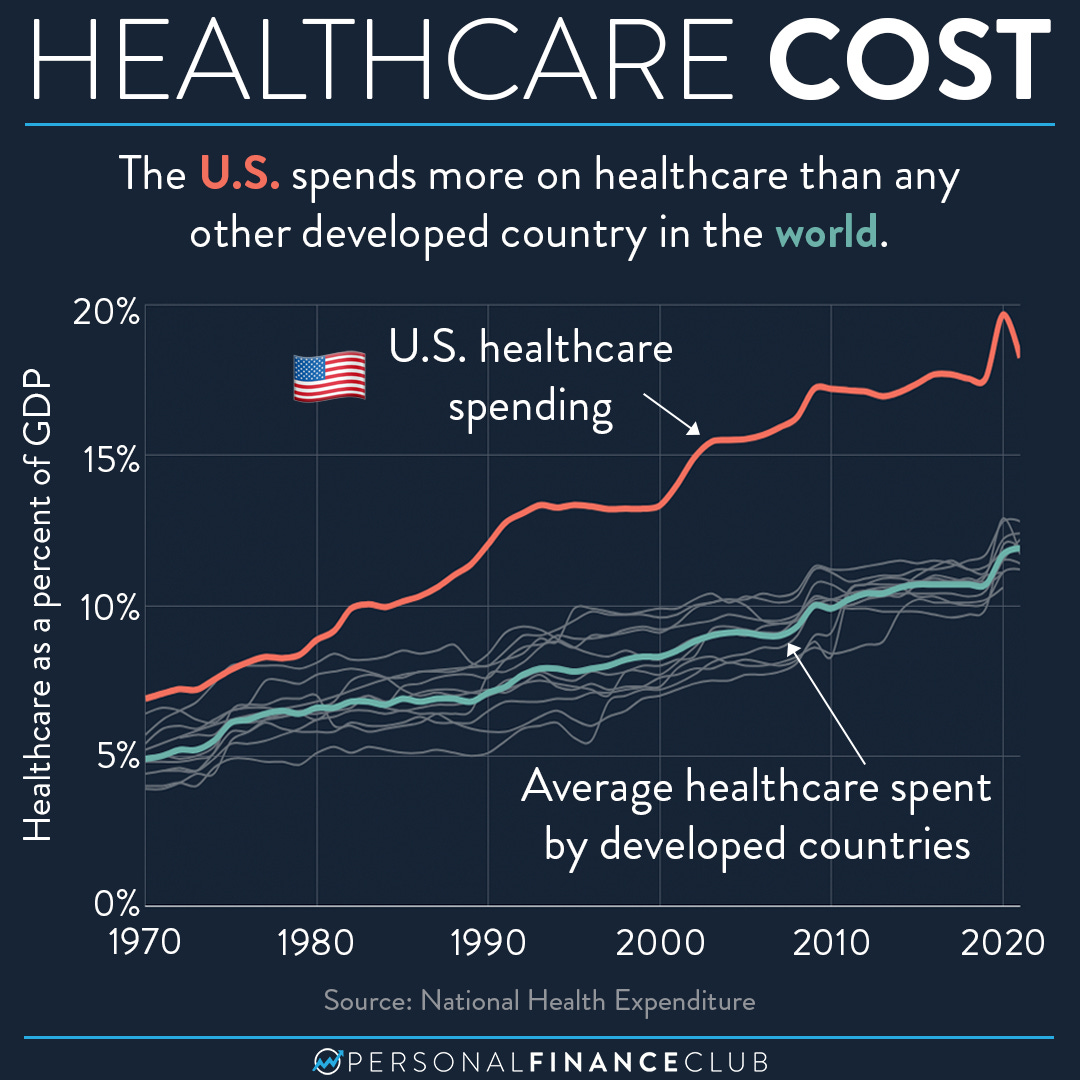
People are fed up. And watching the same bad idea come back, again, with new branding and the same old dysfunction? That’s not leadership. It’s salt in the wound.
Enter Luigi Mangione.
We’ve said it before, and we’ll say it again: we do not condone what Luigi Mangione allegedly did. But we do understand what created him. He’s not the disease—he’s a consequence of it. A byproduct of a system where insulin can bankrupt you, CEOs rake in millions, and politicians treat suffering like a campaign pitch.
Mangione didn’t explode in a vacuum. He’s what happens when the pressure of greed—corporate, political, systemic—finally crushes someone. He’s not alone. He’s just the one who allegedly cracked in a way the cameras couldn’t ignore.
So when Trump revives a dead-on-arrival drug pricing plan while gutting Medicare and raising costs, we’re not just watching a bad policy. We’re watching the fuse burn down.
This isn’t reform. It’s theater.
Trump didn’t bring back this executive order because it’s a good idea. He brought it back because it’s his. Because in Trump’s world, a worse solution authored by him is always better than a better one authored by someone else.
He’s not solving the problem; he’s staging it.
We’re not watching healthcare reform.
We’re watching a man try to reclaim control of a story that left him behind.
Trump versus Big Pharma. Power versus profit. Theater versus governance.
Let them fight? Maybe. But don’t forget: we’re the ones getting hit by the fallout.
While Trump and Pharma trade blame, power, and headlines, no one’s lowering your copay. And until someone actually does the work—not the theater, the work—the price of their war will keep showing up at your pharmacy counter.
We just hit 13,000 subscribers—thank you! To celebrate, we’re offering full access to The Coffman Chronicle at 50% off.
Get exclusive analysis and fearless reporting you won’t find in corporate media.
Bibliography:
“Fact Sheet: President Donald J. Trump Announces Actions to Lower Prescription Drug Prices.” The White House, April 2025.
“Lowering Drug Prices by Once Again Putting Americans First.” The White House, April 2025.
“Alternative Approaches to Reducing Prescription Drug Prices.” Congressional Budget Office, October 2024.
“How CBO Estimated the Budgetary Impact of Key Prescription Drug Provisions in the Inflation Reduction Act.” Congressional Budget Office, February 2023.
“Initial Implementation of Medicare Drug Pricing Provisions.” U.S. Government Accountability Office, April 2025.
“Medicare Drug Price Negotiation Program: Final Guidance, Implementation of Sections 1191–1198 of the Social Security Act for Initial Price Applicability Year 2027 and Manufacturer Effectuation of the Maximum Fair Price in 2026 and 2027.” U.S. Government Accountability Office, October 2024.
“Trump to Pitch Sweeping Medicare Drug Price Plan.” Politico, May 7, 2025.
“Trump to Sign Order on Drug Prices as Early as Next Week, Politico Reports.” Reuters, May 7, 2025.
“Trump Signs Executive Action to Lower Drug Prices.” NPR, April 15, 2025.
“Trump Signs Healthcare Executive Order That Includes a Win for Pharma Companies.” Reuters, April 15, 2025.
“Trump Pulls Back Biden Drug Pricing Action.” Politico, January 22, 2025.
“Trump Tries to Erase Biden's Health Legacy with Early Executive Orders.” NPR, January 23, 2025.
“US Will Still Pay at Least Twice as Much After Negotiating Drug Prices.” Reuters, September 3, 2024.
“Medicare Negotiated Drug Prices for the First Time. Here's What It Got.” NPR, August 15, 2024.
“In a First, Medicare Has Set Prices for 10 Drugs, Saving Billions.” Politico, August 15, 2024.
“Public Opinion on Prescription Drugs and Their Prices.” KFF, October 2024.
“KFF Health Tracking Poll: Health Care Issues Emerge as Important Topics.” KFF, November 2023.
“KFF Health Tracking Poll May 2024: Voters’ Views of Health Policy Issues in Context of Presidential Campaigns.” KFF, May 2024.
“How Does Health Spending in the U.S. Compare to Other Countries?” KFF, April 2025.
“How Medicare Negotiated Drug Prices Compare to Other Countries.” KFF, January 2025.
“What’s Next for Medicare Negotiated Drug Prices Under the Trump Administration?” KFF, February 2025.
“Americans’ Challenges with Health Care Costs.” KFF, March 2024.
