


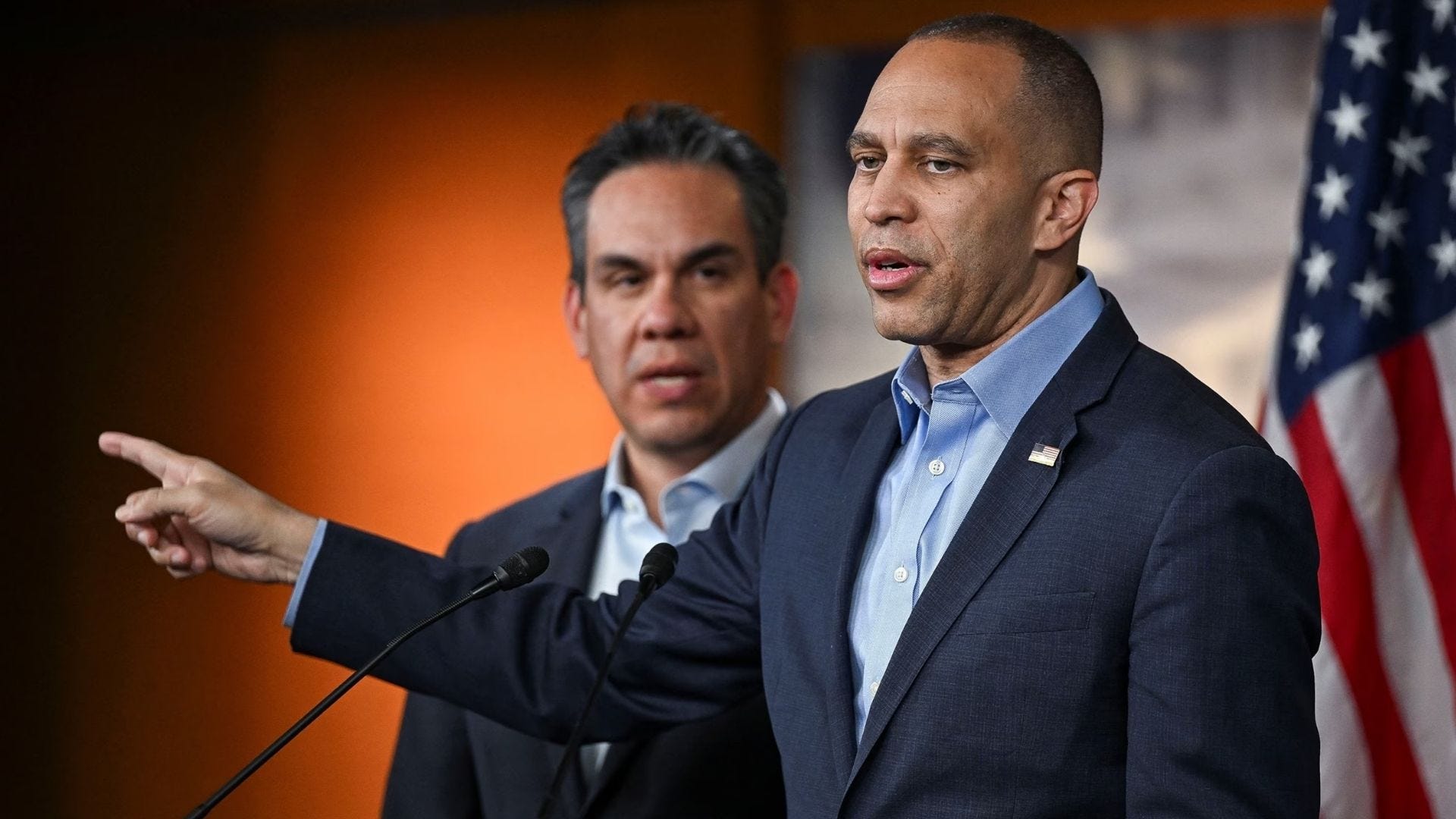
WASHINGTON — Facing what many lawmakers describe as a sharp rise in politically motivated threats, top Democrats in the U.S. House of Representatives are advocating for expanded protection — including the ability for members to hire armed security staff alongside a dedicated law-enforcement coordinator. According to a summary of a Semafor report, Democratic House leaders pressed Republicans this week to allow each congressional office that option.
Follow The Coffman Chronicle on NewsBreak for daily breaking political coverage.
At the same time, the House has launched a new security program under the guidance of its Sergeant-at-Arms. Beginning next month, every member will receive up to $20,000 per month to fund personal security needs — including protection at their homes, district offices, and during travel. A “Mobile Duress Program” will also debut, giving lawmakers a means to quickly alert law enforcement via a phone app.
The developments come amid a period of elevated alarm: lawmakers have reported an uptick in threats, prompting calls across party lines for stronger protections. The authorization of robust funding reflects an unprecedented acknowledgment that ordinary congressional duties now carry heightened personal risk.
But while the allowance provides significant new resources, it’s not yet clear whether or how many lawmakers will use it to hire armed guards. The publicly available guidance describes security broadly — home security upgrades, travel protection, office security — without specifying weapons or armed personnel. That ambiguity underscores a larger debate on Capitol Hill: whether to rely on traditional security services or grant individual offices the discretion to pursue more forceful protection.
What happens next depends largely on internal House deliberations. If Democrats succeed in prompting GOP cooperation, the windows may open for individual offices to field armed security — a move that would mark a historic shift in congressional protections.