


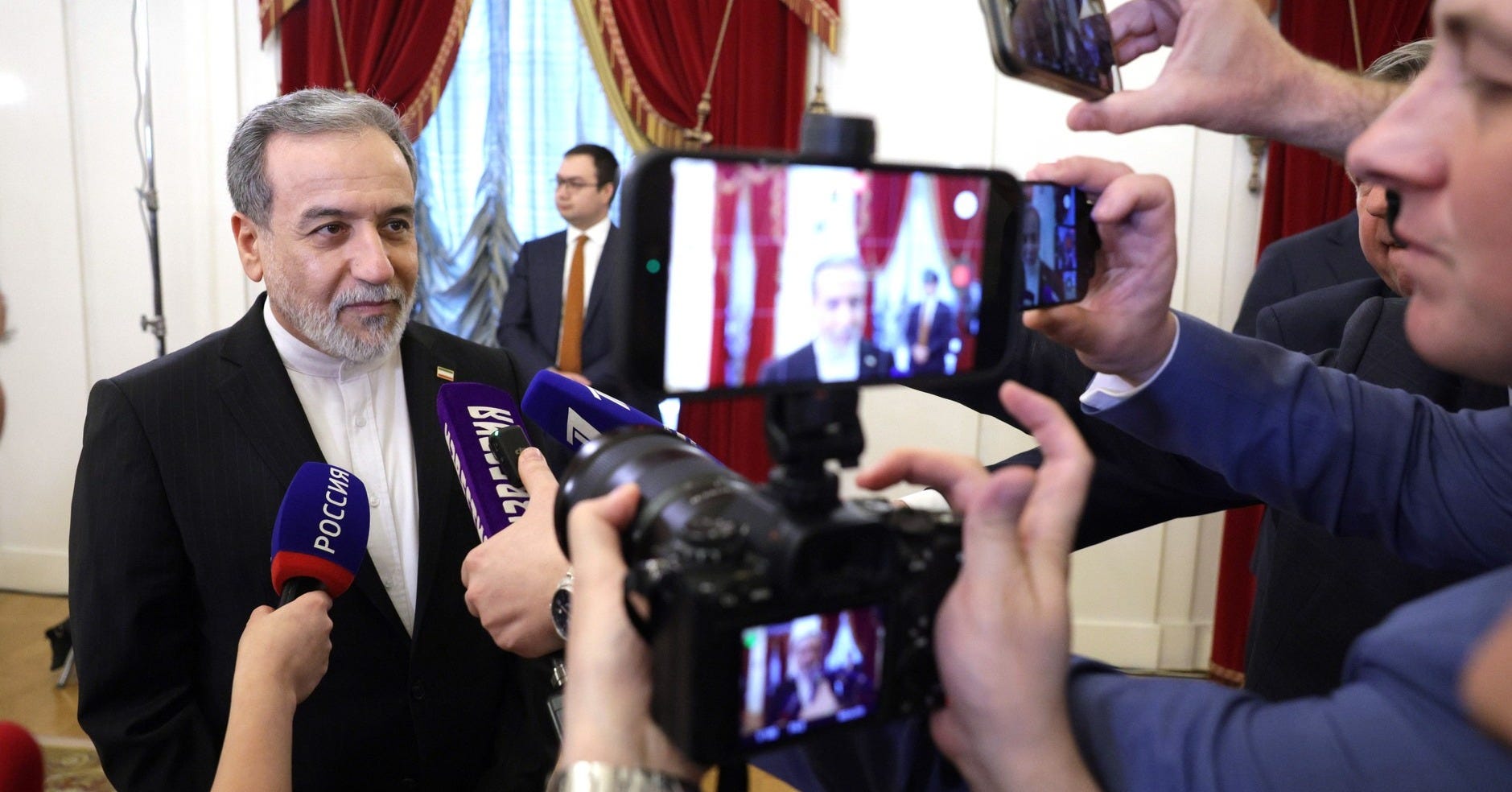
The U.S. and Iran are moving closer to a possible 60-day ceasefire extension that would open the door to a new nuclear framework, according to the Financial Times, which cited people briefed on the talks.
The reported deal would extend a fragile pause in fighting while negotiators work through larger disputes over Iran’s nuclear program, sanctions relief and access through the Strait of Hormuz. Reuters reported that the U.S., Iran and Pakistan have described progress toward a memorandum of understanding aimed at ending the war, securing the strait and creating a negotiating window for a broader agreement.
The talks remain fragile. Iranian officials have said Tehran will not compromise on what it views as national rights, while U.S. officials continue to press for limits on Iran’s nuclear capabilities and toll-free access through the Strait of Hormuz.
Subscribe free for daily political analysis they won’t broadcast. Join 110K+ readers →
The proposed 60-day extension follows earlier ceasefire efforts that did not settle the conflict. President Donald Trump announced an extension of the ceasefire in April to allow talks to continue, but Reuters later reported that Iran continued blocking the strait amid a U.S. naval blockade of Iranian oil exports.
Iran also accused the U.S. in May of violating the ceasefire by targeting ships near the Strait of Hormuz and attacking civilian areas. The U.S. described its actions as retaliatory, underscoring how quickly the pause could unravel.
The plain-English consequence is this: a 60-day extension would not be peace, but it could prevent immediate escalation while negotiators test whether a nuclear and maritime deal is possible. If it fails, renewed strikes, higher energy prices and wider regional conflict remain the central risks.
Subscribe free for daily political analysis they won’t broadcast. Join 110K+ readers →