


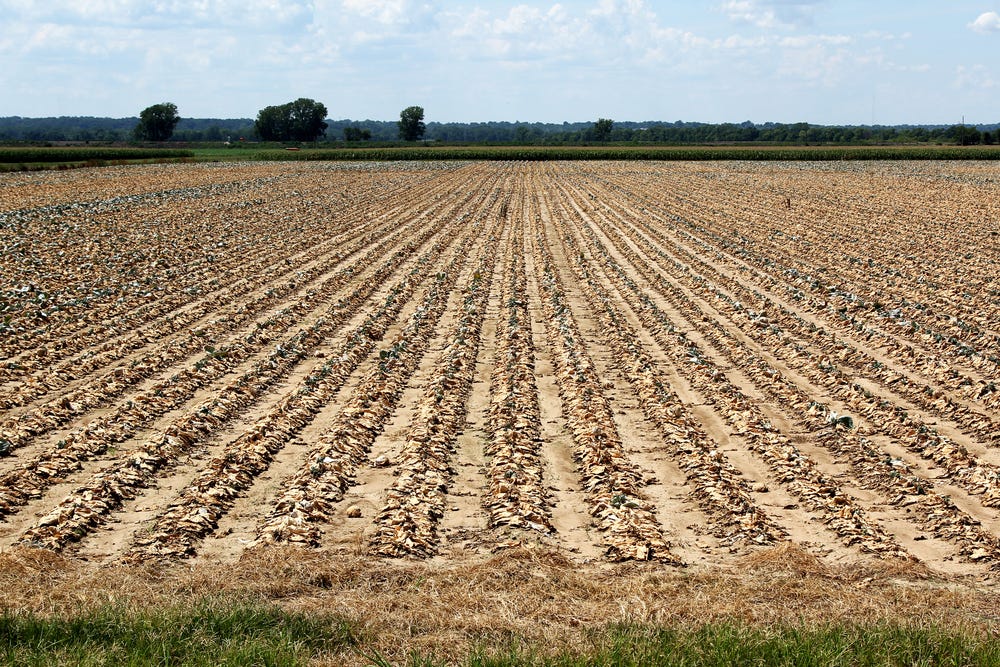
A record U.S. drought is expanding faster than expected, raising immediate concerns about food prices, water supply, and wildfire risk heading into summer.
The timing is what’s alarming experts. Drought conditions typically build later in the year, but this one is already widespread, increasing the likelihood of compounding economic impacts.
More than 61% of the country is now in moderate to exceptional drought, including 97% of the Southeast, according to the U.S. Drought Monitor. Federal data shows March was the third-driest month on record, while atmospheric dryness is running far above normal levels.
That early intensity is colliding with another problem: the West’s snowpack is far below normal, limiting the water supply that farms and cities depend on through summer.
Subscribe free for daily political analysis they won’t broadcast. Join 110K+ readers →
“Fire tends to respond to heat and drought in an exponential manner,” said UCLA climate scientist Park Williams.
The economic risks are already forming. Crop yields could decline sharply, which would push food prices higher nationwide and potentially disrupt global markets, according to climate analysts.
At the same time, water shortages are beginning to affect industrial regions like Texas, where energy production could face limits if supplies tighten. Wildfires have already burned large areas of grazing land, adding pressure to livestock and food supply chains.
What happens next depends on rainfall and temperature trends in the coming months, but forecasts suggest elevated wildfire risk and continued strain on agriculture.
For now, the drought is no longer a regional issue, it’s a developing national economic threat.
Download a FREE Pocket Constitution NOW →
