


The U.S. and Iran are clashing over how long Tehran should stop enriching uranium, a dispute now driving both stalled peace talks and rising military tension.
At the center is a sharp divide. Washington is demanding a 20-year halt, while Iran is offering about five, a gap that helped collapse recent negotiations in Pakistan.
According to Reuters and Al Jazeera, the disagreement was a primary reason talks failed after more than 20 hours, despite progress on sanctions and ceasefire terms.
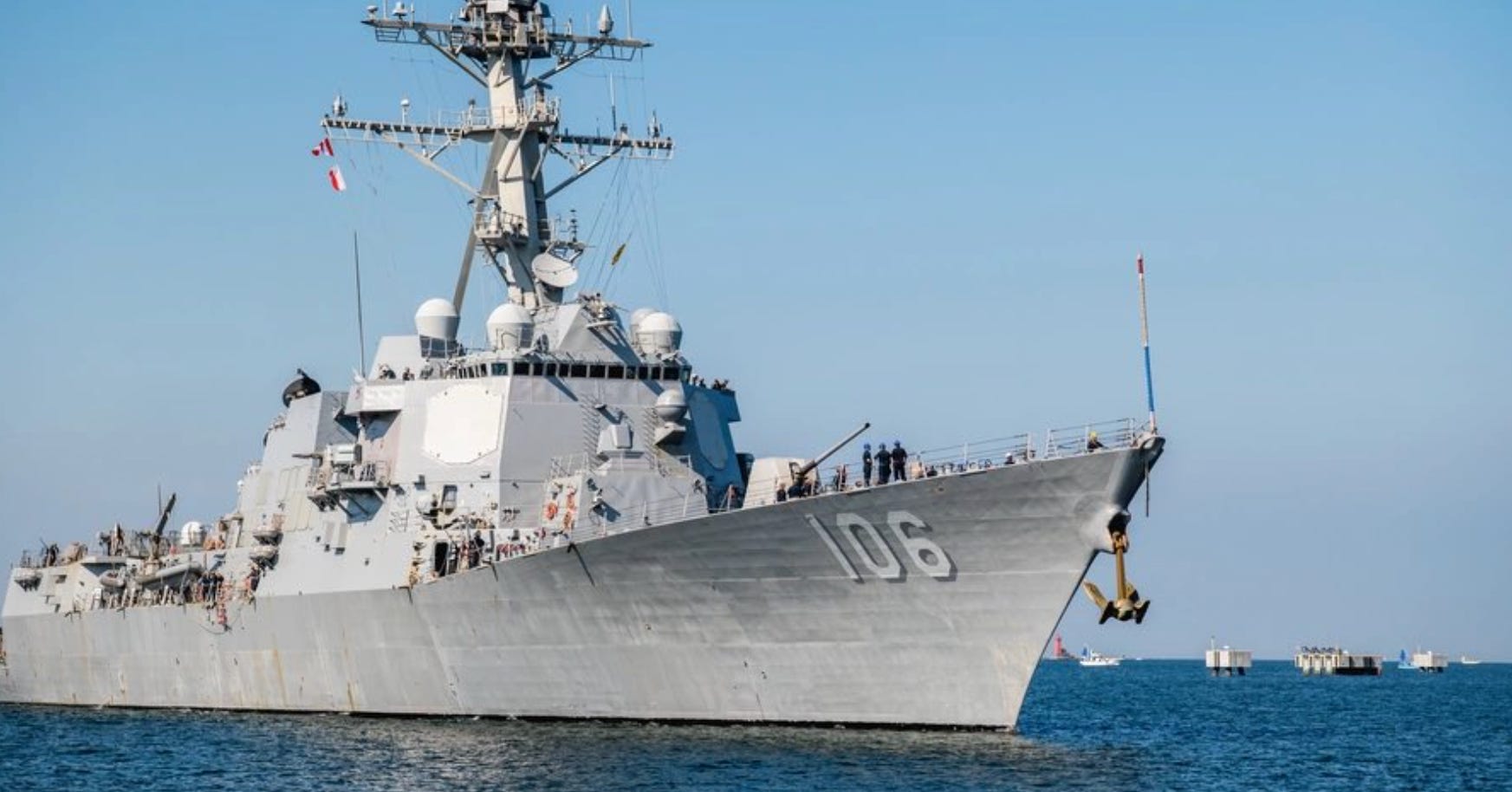
The conflict has widened beyond nuclear policy. Iran has used its position near the Strait of Hormuz to pressure global oil flows, while the U.S. responded with a naval blockade targeting Iranian ports.
Subscribe free for daily political analysis they won’t broadcast. Join 110K+ readers →
“It’s one thing for the Iranians to say they won’t build a weapon,” Vice President JD Vance said, “it’s another to ensure it never happens.”
The duration fight reflects deeper strategy. A longer ban weakens Iran’s ability to restart enrichment, while a shorter deal preserves Tehran’s leverage in future negotiations.
That leverage has grown during the war. Control over Hormuz, a key global oil route, gives Iran economic and geopolitical pressure beyond its nuclear program.
Now both issues are linked. U.S. officials want guarantees on enrichment and free navigation, while Iran is tying nuclear concessions to sanctions relief and regional control.
Talks are expected to continue, but officials on both sides signal little movement on core demands.
For now, the dispute remains unresolved, and increasingly tied to the risk of wider escalation.
Download a FREE Pocket Constitution NOW →
