


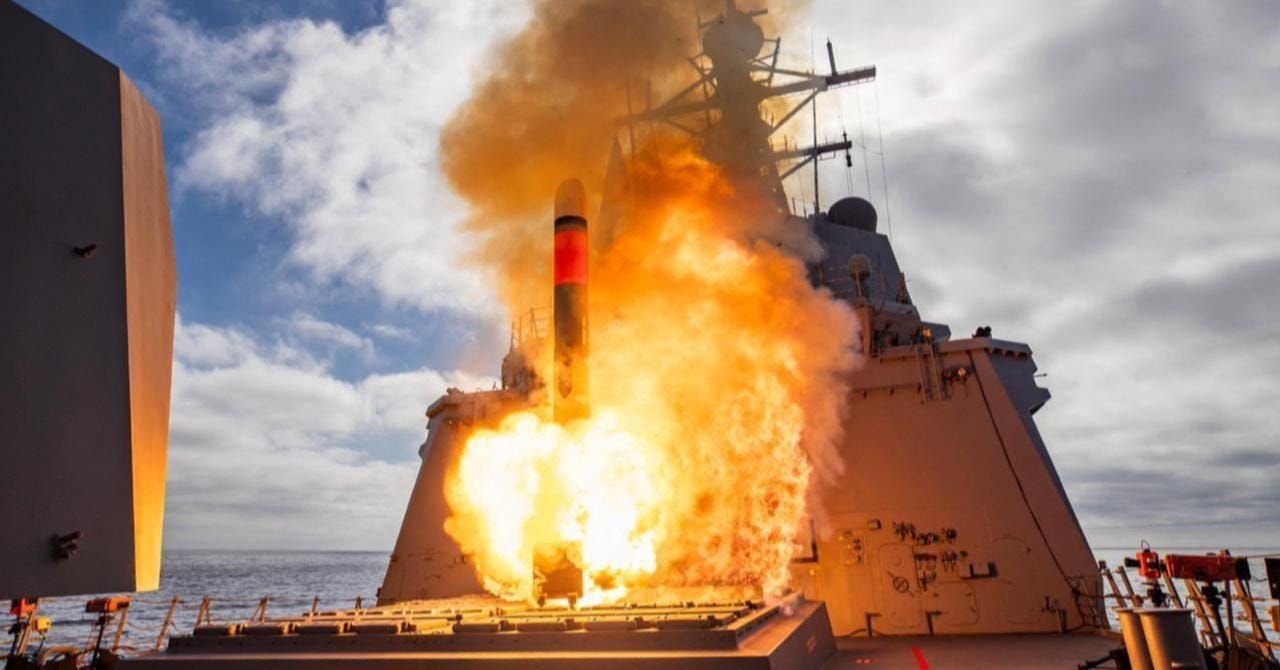
A new report is raising concerns about whether one of America’s most relied-on weapons is failing in combat. The issue centers on U.S. Tomahawk cruise missiles and reports they are not always detonating on impact.
The concern is gaining attention because these missiles are used in high-stakes operations where precision is critical. If they fail, the risks shift from military targets to unintended consequences.
According to Forbes, images from Syria, Iraq, and other war zones appear to show Tomahawk missiles that struck targets but did not explode. The report questions whether the problem is isolated or part of a broader reliability issue.
Evidence from other reporting adds weight. A Washington Post investigation into a U.S. strike in Nigeria found that 4 of 16 Tomahawk missiles failed to detonate, with some landing in civilian areas instead of destroying intended targets.
One expert told The Washington Post the damage was “consistent with the impact of a munition which failed to detonate.”
Subscribe free for daily political analysis they won’t broadcast. Join 115K+ readers →
The issue matters because Tomahawk missiles are designed as precision weapons and can cost around $1–2 million each. Failures raise concerns about both financial waste and the potential for unintended harm if unexploded ordnance lands outside target zones.
There is also a broader strategic risk. Historically, unexploded U.S. missiles have been recovered and studied by other countries, potentially exposing sensitive technology.
What happens next may depend on whether the Pentagon addresses these reports publicly or conducts internal reviews into failure rates and deployment practices.
For now, the questions around reliability remain unresolved.
Subscribe free for daily political analysis they won’t broadcast. Join 115K+ readers →