


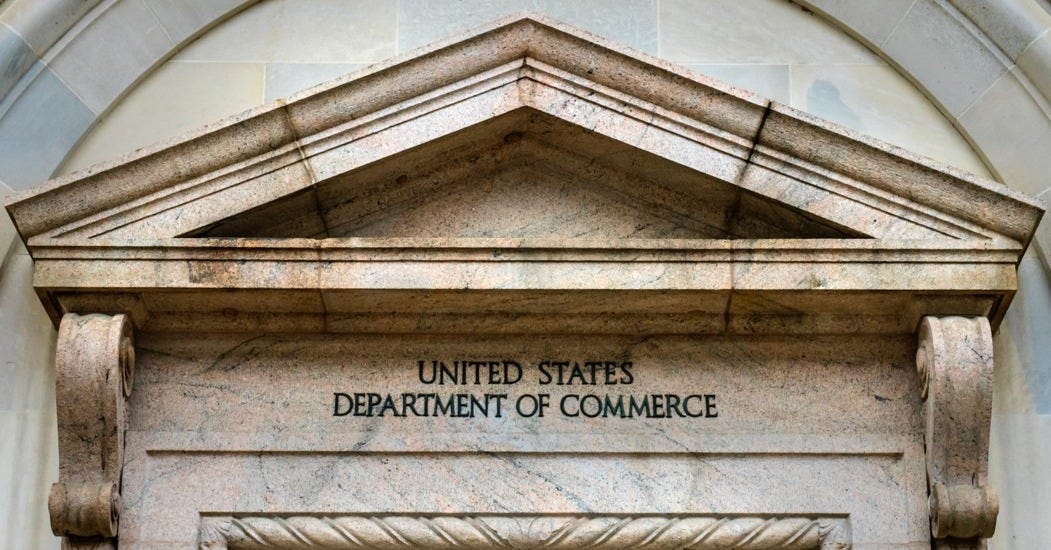
U.S. retail sales stalled in December, showing no growth from November and raising fresh concerns about the strength of consumer demand — a key driver of overall economic performance. According to Reuters reporting on the Commerce Department’s data, this unexpected flat reading matters because consumer spending accounts for roughly two-thirds of U.S. GDP.
The lack of sales growth comes as households pulled back on big-ticket items such as vehicles and home goods, and earlier months were revised lower, signaling a broader slowdown. Economists had forecast a modest increase, meaning this report underperformed expectations and could temper growth estimates for the end of 2025.
Core retail sales, which strip out volatile auto figures and are more closely tied to GDP trends, also showed weakness, and business inventories in November rose less than expected, further dampening growth prospects.
Follow The Coffman Chronicle on NewsBreak for daily breaking political coverage.
Consumers face elevated costs for essentials like food and housing, and wage growth has softened in recent months, reducing discretionary spending power. Combined with slowing job growth — reported separately for December — these signals complicate the economic picture.
One economist noted, “Retail sales were unexpectedly unchanged in December,” underscoring the surprise in the data.
Why it matters: If consumers continue to curb spending, broader GDP growth could decelerate, influencing Federal Reserve decisions on interest rates and investor confidence. Markets will be watching upcoming employment and inflation reports for further direction.
What happens next: Key inflation and job reports due in the coming days will be critical in shaping expectations for 2026 economic momentum.
Follow The Coffman Chronicle on NewsBreak for daily breaking political coverage.