


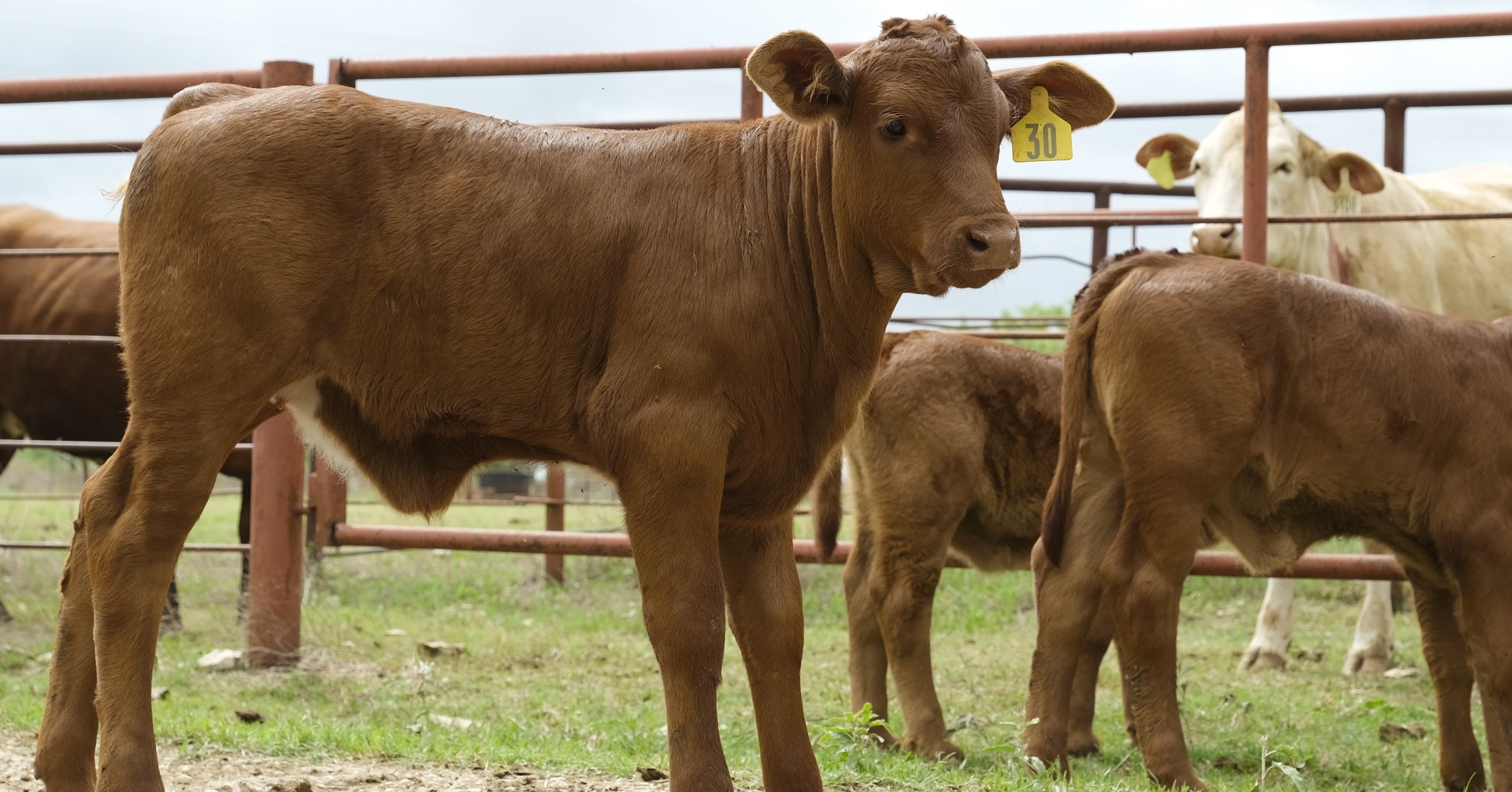
A parasite that was largely eliminated from the United States decades ago has reappeared in Texas livestock, raising concerns about cattle losses and the potential for higher beef prices nationwide.
The U.S. Department of Agriculture confirmed a case of New World screwworm in a calf in South Texas, marking the first confirmed U.S. livestock case in decades. The parasite’s larvae feed on living tissue, creating severe wounds that can become fatal if untreated.
The discovery arrives at a difficult time for the cattle industry. U.S. cattle inventories are already near multi-decade lows after years of drought, herd liquidation, and rising production costs. Beef prices have climbed as supplies tightened, and economists warn that a larger screwworm outbreak could further reduce available cattle.
USDA estimates a widespread Texas outbreak could generate approximately $1.8 billion in economic losses through livestock deaths, treatment expenses, labor costs, and operational disruption.
Subscribe free for daily political analysis they won’t broadcast. Join 110K+ readers →
The economic impact could extend beyond ranches. Feed suppliers, transportation companies, meat processors, and grocery retailers all depend on stable cattle supplies. Texas agriculture officials have also warned that reduced cattle production could affect demand for feed crops such as corn.
USDA has responded with quarantines, surveillance efforts, and continued releases of sterile flies designed to suppress screwworm populations. Federal officials say the current case appears isolated, but critics argue stronger containment measures may be necessary.
For consumers, the key question is whether the outbreak remains contained. If it does not, an already expensive beef market could face another supply shock.
Subscribe free for daily political analysis they won’t broadcast. Join 110K+ readers →