


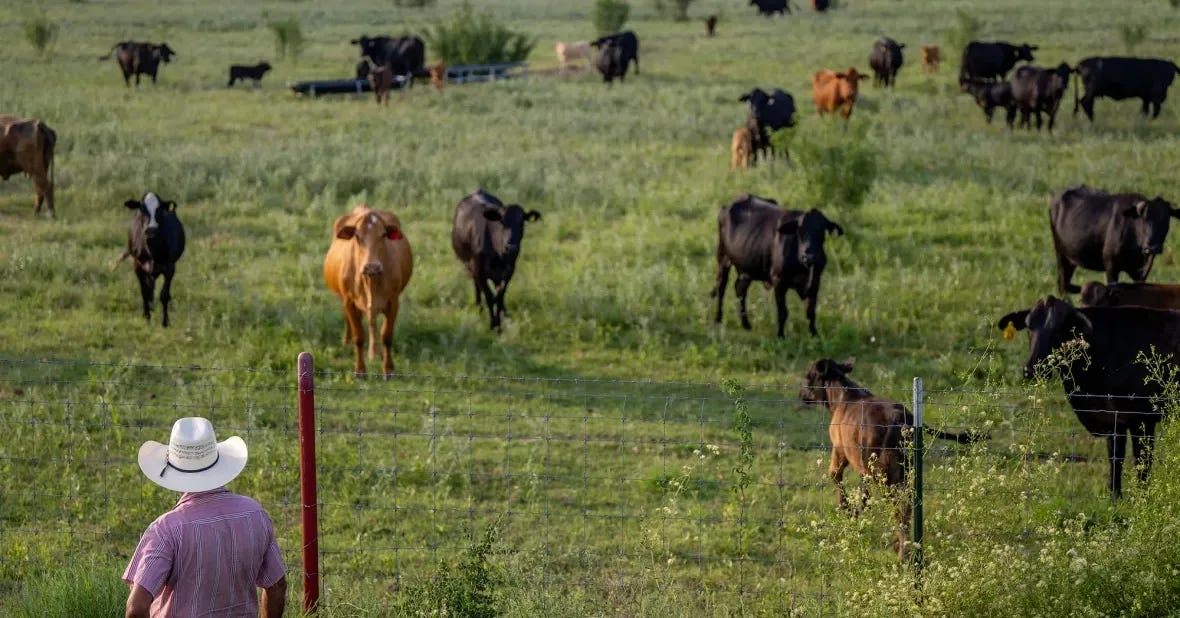
A second case of New World screwworm infection has been confirmed in Texas cattle, increasing concern within the livestock industry that the flesh-eating parasite may be gaining a foothold after decades of successful eradication efforts.
Federal officials confirmed the new infection only days after the first Texas case prompted an aggressive response from the U.S. Department of Agriculture. The parasite’s larvae feed on living tissue and can cause severe injury or death in livestock if left untreated.
The second confirmed infection is significant because it suggests the initial case may not have been isolated. USDA officials continue to deploy surveillance programs, inspections, and sterile-fly releases aimed at preventing further spread.
The economic stakes are substantial. The U.S. cattle herd remains near historic lows after years of drought, herd reductions, and rising operating costs. Any increase in livestock losses could tighten supplies further and create additional pressure on beef prices.
Subscribe free for daily political analysis they won’t broadcast. Join 110K+ readers →
Ranchers and agricultural organizations have responded with heightened concern, focusing on the possibility of additional infections and the costs associated with monitoring and treatment. Commodity market participants are also watching closely for signs that the outbreak could affect cattle production.
For Texas producers, the threat extends beyond livestock health. Feed suppliers, veterinarians, transportation companies, auction operators, and meat processors all depend on stable cattle production.
Federal officials maintain that containment remains the priority. The coming weeks will likely determine whether the second case represents an isolated development or the beginning of a broader livestock challenge for the cattle industry.
Subscribe free for daily political analysis they won’t broadcast. Join 110K+ readers →