


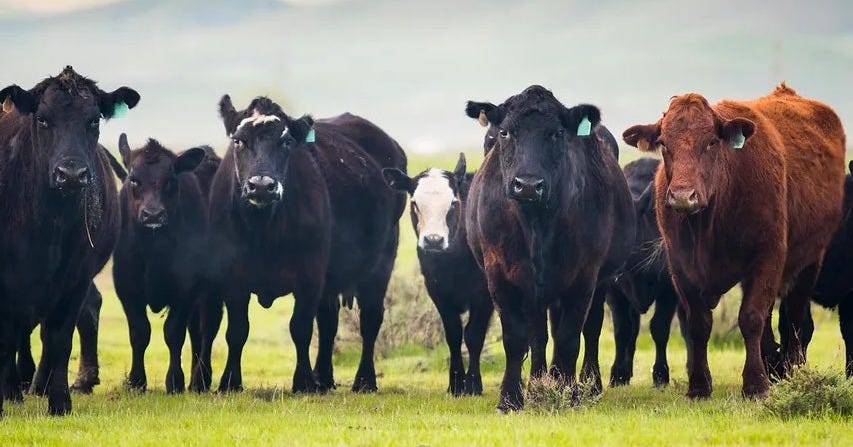
The U.S. cattle herd has fallen to its smallest size since the early 1950s, and grocery shoppers are already paying more for beef.
According to the U.S. Department of Agriculture’s January 2026 Cattle Inventory report, the national herd now stands at roughly 86.7 million head, marking another year of contraction.
That tightening supply is showing up at the checkout counter. Data from the Bureau of Labor Statistics indicates average retail beef prices have climbed about 15% over the past 12 months.
The decline traces back to prolonged drought across key cattle states including Texas, Oklahoma, and Kansas. Ranchers culled breeding cows during 2022 through 2024 as pasture conditions deteriorated and feed costs surged, shrinking the pipeline for future beef production.
Related: Biden Beats Trump on Job Performance in Latest National Polls
USDA analysts say herd rebuilding is not immediate. “Cattle cycles take multiple years to reverse once breeding stock declines,” the agency noted in its market outlook.
That biological lag creates a supply gap that can persist even if weather conditions improve. Fewer calves born during prior years mean tighter slaughter numbers ahead, limiting how quickly production can recover.
Related: NY Fed Data Shows Americans Foot 90% of Trump’s Tariff Bill, Contrary to Claims
The situation carries broader implications for food inflation. Beef remains one of the most widely purchased proteins in the United States, and sustained price increases can ripple through restaurant pricing, grocery budgets, and inflation metrics tied to the Consumer Price Index.
Analysts will be watching spring pasture conditions and feed markets closely, as ranchers weigh whether to retain heifers for breeding or continue selling into high price environments.
For now, consumers should expect elevated beef prices to remain part of the grocery landscape.
Related: New Poll Shows Trump Approval at Just 36% as Public Doubts Grow on Immigration