


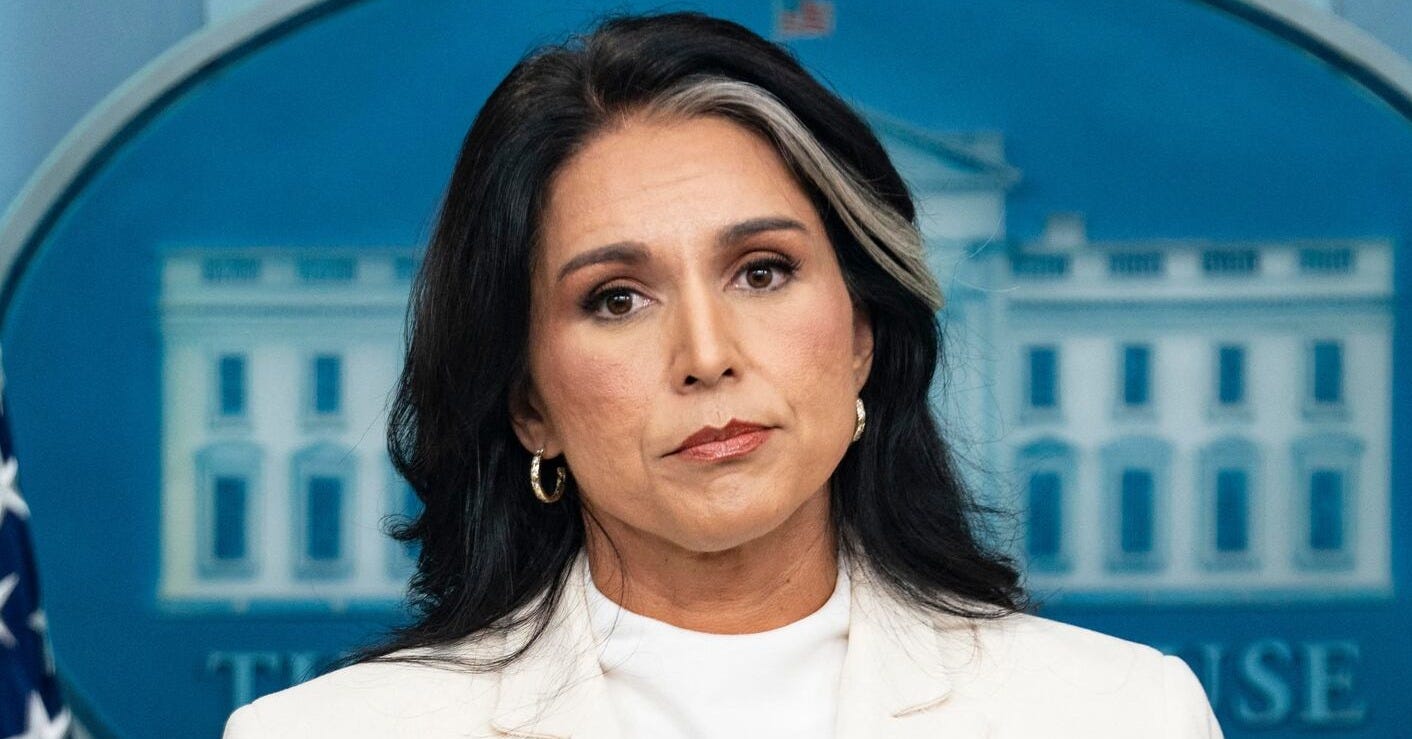
WASHINGTON — A classified whistleblower complaint alleging misconduct by Director of National Intelligence Tulsi Gabbard has been at the center of an eight-month dispute over congressional notification that could reshape oversight norms in Washington. At issue is whether Gabbard’s team improperly delayed providing security guidance needed to transmit the complaint to lawmakers, according to a letter from the whistleblower’s attorney.
The tension stems from how the complaint was handled after it was filed with the intelligence community inspector general in May 2025. Under federal whistleblower protections, submissions can be referred directly to Congress if certain conditions are met. The attorney, Andrew P. Bakaj, told Gabbard’s office he would go directly to Congress if guidance wasn’t forthcoming.
Multiple news outlets report that the inspector general found at least one allegation against Gabbard not credible and could not assess another due to classification, which complicated the review. The complaint itself remained locked in a secure location because of the sensitive intelligence involved.
The letter from Bakaj — which he delivered in late 2025 — flagged that the delay violated statutory expectations for whistleblower referrals to congressional committees, though the exact text has not been fully published.
Follow The Coffman Chronicle on NewsBreak for daily breaking political coverage.
Gabbard’s office has pushed back, asserting the team acted properly given the document’s level of classification and that no legal requirement was triggered due to credibility findings.
“After nearly eight months of taking illegal actions to protect herself, the time has come for Tulsi Gabbard to comply with the law,” Bakaj said in a public statement.
The complaint has now been delivered to the “Gang of Eight” congressional leaders under strict handling procedures, and lawmakers are expected to review it. Questions remain about how classification and executive privilege may have factored into the long delay and whether reforms to whistleblower oversight are needed.
The lack of public detail about the allegations — due to their classification — leaves key facts unresolved even as scrutiny intensifies in both chambers of Congress.
Follow The Coffman Chronicle on NewsBreak for daily breaking political coverage.