


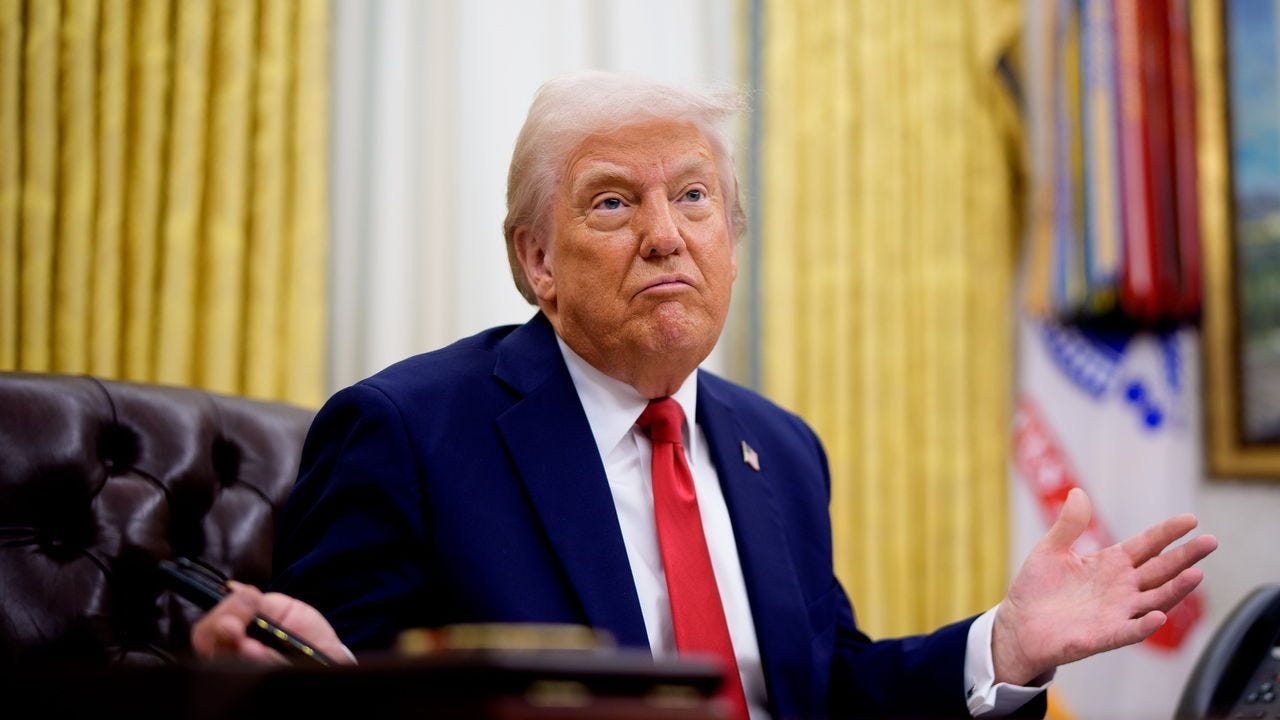
White House economic adviser Kevin Hassett said a prolonged Iran-linked conflict would not significantly disrupt the U.S. economy, even as he acknowledged consumers would feel the impact.
The comment is drawing attention because it separates overall economic strength from real-time financial pressure on households, raising questions about how policymakers are weighing those tradeoffs.
Speaking on CNBC, Hassett said the economy is “fundamentally sound” and could withstand extended disruption due to strong domestic oil production, according to Bloomberg reporting.
At the same time, he conceded that rising costs tied to the conflict would directly hit consumers, particularly through energy prices and supply chain strain tied to the Strait of Hormuz disruptions.
“It would hurt consumers, and we’d have to think about what we would have to do about that,” Hassett said.
Subscribe free for daily political analysis they won’t broadcast. Join 115K+ readers →
The gap between those two points is where the tension is building, as broader economic indicators remain stable while everyday costs show signs of pressure.
Hassett has consistently emphasized resilience, citing strong GDP growth, rising incomes, and productivity gains from artificial intelligence as buffers against shocks, according to Barron’s and Reuters.
But ongoing disruptions to fertilizer, fuel, and global shipping routes suggest the effects may spread unevenly, particularly for consumers and specific industries.
Further updates are expected as energy markets react and the administration outlines any consumer-focused response measures.
The broader question now is how long that gap between “strong economy” and consumer strain can hold.
Subscribe free for daily political analysis they won’t broadcast. Join 115K+ readers →