


“Universal Healthcare” Is a Losing Phrase
It’s time for a hard truth: the phrase “universal healthcare” isn’t helping us win the fight for a better system. If anything, it’s holding us back.
On its face, it sounds simple enough—healthcare for everyone, no exceptions. But in reality, the phrase has been hijacked by corporate interests, Republican spin doctors, and fearmongering media. It’s been twisted into something cold, bureaucratic, and, somehow, un-American. Say it in a room full of undecided voters, and you’ll immediately see the walls go up
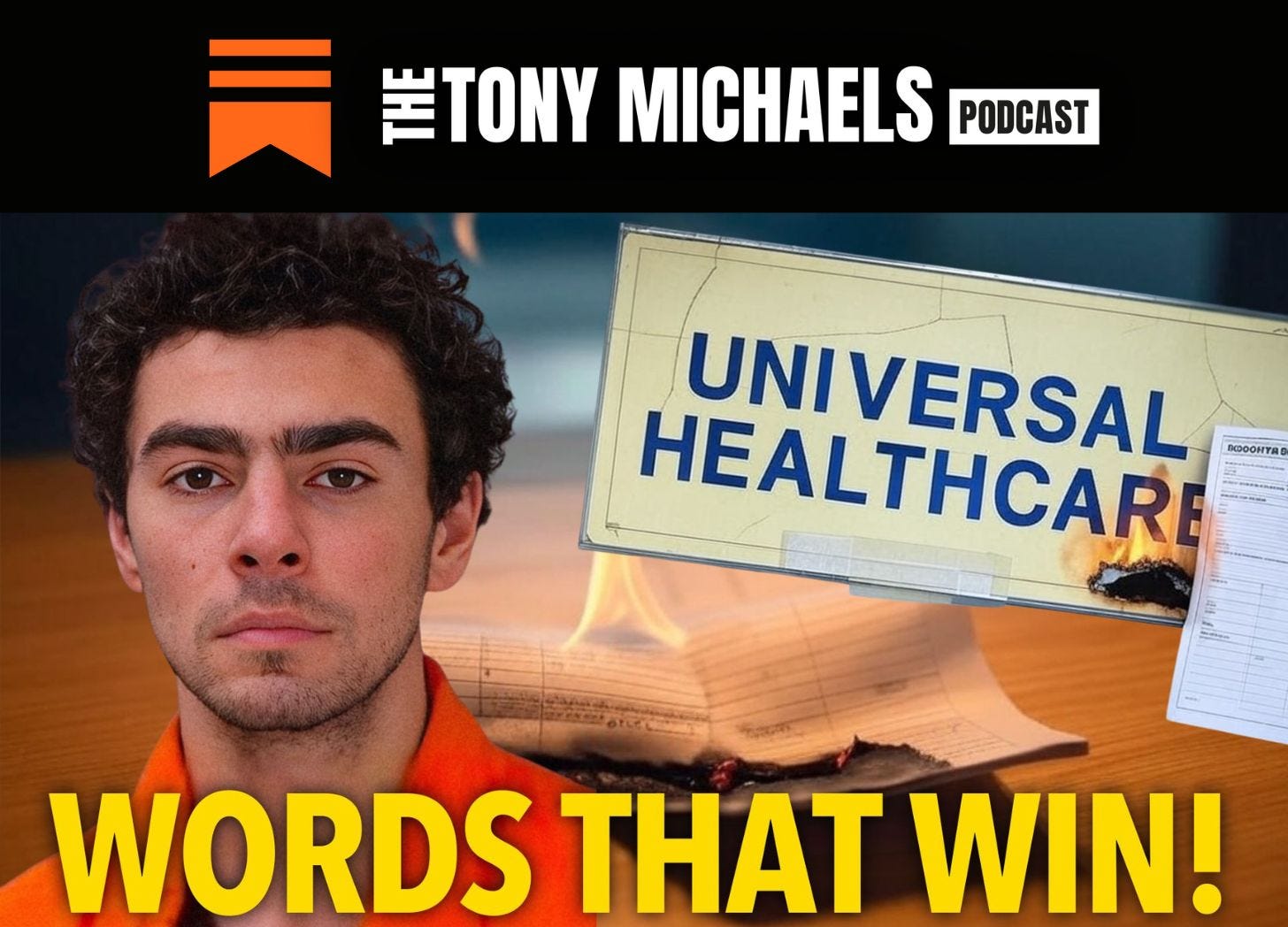
We’re not losing this fight because people don’t want affordable healthcare. We’re losing because the words we’re using have been poisoned. If we want to build momentum, we need to rethink how we talk about this issue.
How “Universal Healthcare” Got Hijacked
For decades, corporate lobbyists and right-wing strategists have worked overtime to turn “universal healthcare” into a dirty phrase. They’ve flooded the airwaves with attack ads featuring grim hospital lines, overworked doctors, and ominous warnings about government bureaucrats controlling your healthcare decisions. They’ve painted it as an expensive, unworkable nightmare where everyone pays more and gets less.
And they’ve been frighteningly effective. Today, when people hear “universal healthcare,” they don’t think about freedom from medical debt or guaranteed access to care. They think about government overreach, higher taxes, and rationed medicine.
This wasn’t an accident. It’s the result of decades of coordinated messaging by the very people who profit off our current broken system.
The Problem With the Words
Here’s the thing: the concept of universal healthcare isn’t the issue. The problem is the words themselves.
“Universal healthcare” feels academic, abstract, and detached from people’s real lives. It sounds like something debated in a D.C. conference room or slapped on a policy paper—sterile, unemotional, and out of touch. The phrase doesn’t resonate with the parent trying to figure out how to pay for their kid’s asthma inhaler, or the senior who’s cutting pills in half to make them last longer.
Worse, the phrase has been turned into a blank slate for opponents to project fear and misinformation. Instead of inspiring hope, it triggers skepticism. Instead of sparking conversations about solutions, it shuts them down.
The Case of Luigi Mangione: A Symptom of a Broken System
Take the story of Luigi Mangione, the Ivy League graduate arrested this week for allegedly murdering UnitedHealthcare CEO Brian Thompson. The media is obsessed with his ghost gun, fake IDs, and manifesto railing against corporate greed. But buried in the headlines is the deeper issue: the rage and desperation born from a healthcare system that prioritizes profits over people.
Now, let’s be clear—Mangione’s alleged actions were horrific and unjustifiable. But the anger he expressed? That’s something millions of Americans feel every day when they open a medical bill they can’t pay or lose a loved one because they couldn’t afford care.
And here’s the tragic irony: in his so-called manifesto, Mangione reportedly mentioned “universal healthcare.” Even in his frustration, he reached for a phrase that’s been so beaten down it no longer carries the weight it should. His anger was real, but the words didn’t connect. And that’s exactly the problem.
Rewriting the Narrative
If we want to fix our broken healthcare system, we need to fix how we talk about it. The right doesn’t call their policies what they are—they call them what they want people to believe. Tax cuts for the rich become “job creators.” Privatizing Social Security becomes “saving Social Security.”
Meanwhile, we’re still out here saying “universal healthcare” like it’s some kind of magic spell. It’s not. It’s a relic, and it’s time we buried it.
Instead, let’s use words that speak to people’s lives.
Call it “Everybody Gets a Doctor.” Simple, clear, and hard to argue with.
Call it “Guaranteed Care.” Because everyone deserves the peace of mind that comes with knowing they’re covered.
Call it “Healthcare Freedom.” Because real freedom isn’t choosing between bankruptcy and survival—it’s knowing you can see a doctor without fear.
Or go even simpler: “Not Losing Your House Care.” That’s the kind of messaging that hits home.
The point isn’t just to change the words—it’s to change the focus. Talk about outcomes, not mechanisms. People don’t care about policy jargon; they care about being able to pick up their prescriptions without breaking the bank.
Hope Beats Fear—Every Time
If we keep using “universal healthcare,” we’re playing defense in a game where the other side has already written the rules. The phrase doesn’t spark hope—it gives opponents a target.
But when we talk about “Everybody Gets a Doctor” or “Healthcare Freedom,” we’re shifting the conversation to what actually matters: making sure no one in America dies because they couldn’t afford to live.
Words matter. They shape how people think, how they feel, and ultimately, how they vote. If we want to win this fight, we need to stop clinging to a phrase that’s been weaponized against us and start speaking in terms that resonate with the everyday realities of working people.
Final Thoughts
The story of Luigi Mangione is a tragic reminder of how broken our system is—and how urgent it is to fix it. But we can’t fix it if we’re stuck using words that make people tune out.
The fight for healthcare reform isn’t just a policy battle—it’s a messaging battle. It’s about showing people a better future in words they can feel, understand, and believe in. “Universal healthcare” doesn’t do that anymore. But “Everybody Gets a Doctor”? That just might.
Let’s stop letting fearmongers define the conversation. Let’s start talking about healthcare in ways that inspire hope, not fear. Because hope beats fear every damn time.
It’s all about messaging! And the Democrats are horrible at messaging. Are there no hired consultants who can see this?
Call it CareFree